
In a moment that has captured the attention of Christians worldwide, Pope Leo XIV has released his first encyclical, titled Magnifica Humanitas. This document, emerging just months after his election in May 2025, offers a vision for the Church that is both deeply rooted in tradition and strikingly relevant to our contemporary challenges. For many believers, an encyclical is more than just a papal letter—it is a pastoral guide, a theological reflection, and a call to action.

The title itself, Latin for “Magnificent Humanity,” sets the tone. Rather than focusing on doctrinal controversies or internal Church matters, the Pope directs our gaze outward, toward the beauty and dignity of human life created in God’s image. This is a message that resonates across denominational lines, reminding us that our shared humanity is a gift to be cherished and protected.
The Heart of the Encyclical
Human Dignity as a Foundation
At its core, Magnifica Humanitas is a meditation on what it means to be human in the light of the Gospel. Pope Leo XIV draws heavily from the creation narratives in Genesis, emphasizing that every person is made in the image of God (Genesis 1:27). This foundational truth, he argues, must shape how we approach issues of justice, mercy, and community.
The encyclical does not shy away from the brokenness of our world. It acknowledges the pain of division, poverty, and environmental degradation. Yet, it consistently returns to hope, insisting that the Church is called to be a sign of God’s healing love. As the Pope writes, “In the face of despair, we are bearers of a magnificent hope.”
A Vision for Community
One of the most striking sections of the document addresses the nature of Christian community. Pope Leo XIV envisions the Church not as a fortress but as a field hospital, a place where the wounded can find solace and strength. He challenges believers to move beyond superficial fellowship and embrace a deeper, sacrificial love for one another.
This echoes the words of the Apostle Paul in his letter to the Romans: “Rejoice with those who rejoice, weep with those who weep” (Romans 12:15). The encyclical calls for a Church that is present in the joys and sorrows of everyday life, a community that bears one another’s burdens.
Practical Implications for Church Life
Worship and Witness
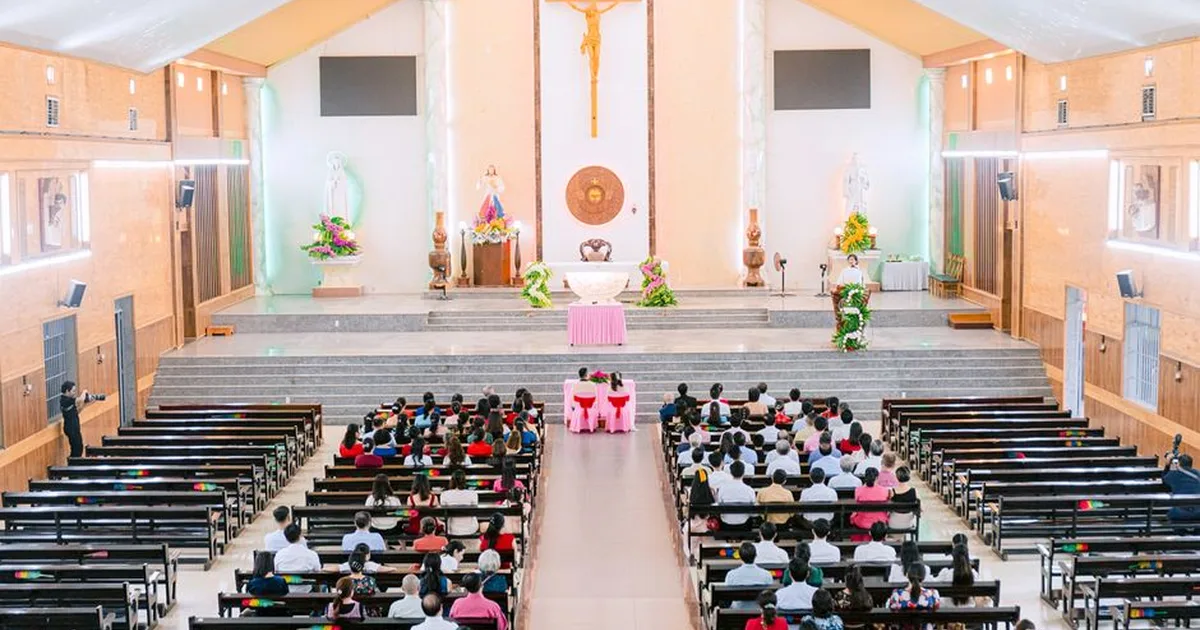
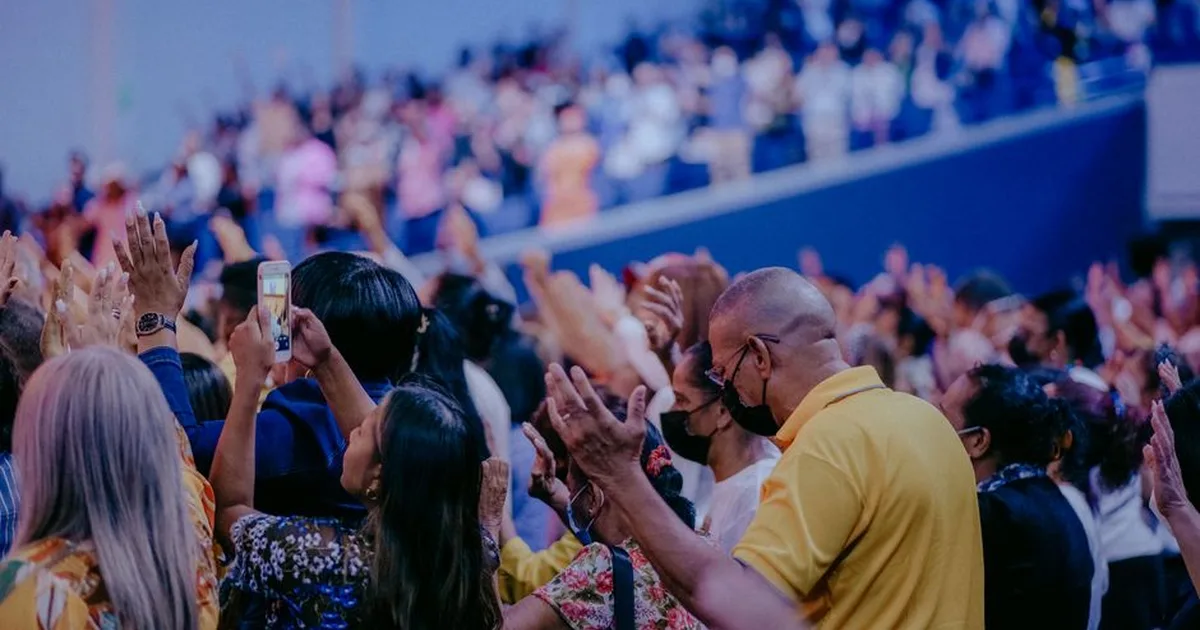
How does this grand vision translate into the life of a local congregation? The encyclical offers several practical insights. First, it emphasizes the centrality of worship. In a world that often feels fragmented, the act of gathering together to praise God is a powerful witness to unity. The Pope encourages churches to make their liturgies both reverent and accessible, inviting all people to encounter the living God.
Second, Magnifica Humanitas calls for a renewed commitment to evangelism. Not the aggressive proselytism that turns people away, but a gentle, respectful invitation rooted in love. As Pope Leo XIV writes, “We do not impose the Gospel; we propose it, as a gift of life.” This approach aligns with the example of Jesus, who met people where they were and offered them living water (John 4:10).
Service and Justice
The encyclical also challenges churches to be agents of justice in their communities. Drawing from the prophet Micah, who asked, “What does the Lord require of you but to do justice, and to love kindness, and to walk humbly with your God?” (Micah 6:8), the Pope calls for concrete acts of mercy. This includes caring for the poor, advocating for the marginalized, and protecting the environment as a sacred trust.
For many churches, this may mean partnering with local organizations, starting food pantries, or engaging in advocacy for just policies. The encyclical reminds us that faith without works is dead (James 2:17), and that our love for God must be expressed in love for our neighbors.
Reactions and Reflections
Since its release, Magnifica Humanitas has sparked conversations across the Christian world. Some have praised its hopeful tone and broad accessibility, while others have wondered if it goes far enough in addressing specific moral issues. Yet, what is clear is that Pope Leo XIV has offered a document that invites dialogue rather than division.
As an ecumenical platform, EncuentraIglesias.com celebrates this spirit of unity. The encyclical’s emphasis on human dignity and community resonates with core Christian values that transcend denominational boundaries. Whether you are Catholic, Protestant, or Orthodox, there is much to ponder and apply in these pages.
A Call to Action
So, what does this mean for you and your church? The encyclical is not merely a document to be studied; it is a call to action. It invites us to look at our own communities and ask: How are we honoring the magnificent humanity of those around us? Are we creating spaces where people feel seen, loved, and valued?
Perhaps this week, you could take one concrete step. Reach out to someone who is lonely. Volunteer at a local shelter. Or simply spend time in prayer, asking God to open your eyes to the needs of others. As Pope Leo XIV reminds us, “The smallest act of love, done with a humble heart, can reflect the magnificent love of God.”
“Let us not grow weary of doing good, for in due season we will reap, if we do not give up.” — Galatians 6:9 (ESV)



Comments