
Churches in España
Directory of Spain. 27,579 churches by denomination, state and city. Find Catholic, Evangelical, Baptist and more churches, with addresses, service times and contact details.
¿Cuántas iglesias cristianas hay en España?
España tiene 27,579 iglesias registradas en el directorio, distribuidas en 5 denominaciones cristianas principales y 52 estados/provincias.
Religious Landscape of Spain
Spain presents a religious landscape characterized by a notable Christian majority, where approximately 70-80% of the population identifies as Christian. The Catholic Church is the predominant denomination, although in recent decades there has been an increase in religious diversity, including evangelical and Orthodox communities. Despite its strong Christian heritage, the country has undergone a process of secularization, especially among younger generations, leading to an increase in the number of people identifying as non-religious or practicing other religions.
Historically, Christianity has played a fundamental role in shaping Spain's cultural and social identity. Since the arrival of Christianity in the early centuries of our era, its influence has been profound in politics, art, and education. However, modern secularization has begun to challenge this influence, with a growing number of citizens distancing themselves from traditional religious practices.
History of Christianity in Spain
Christianity arrived in the Iberian Peninsula in the 1st century, with the preaching of the apostles and the expansion of the Roman Empire. One of the key formative events was the Council of Toledo in the 6th century, where important doctrines were established and the Church was consolidated as a powerful institution in Visigothic society. During the Reconquista, which culminated in 1492, Christianity became a central element of national identity as Christian kingdoms fought to reclaim territory from Muslim hands.
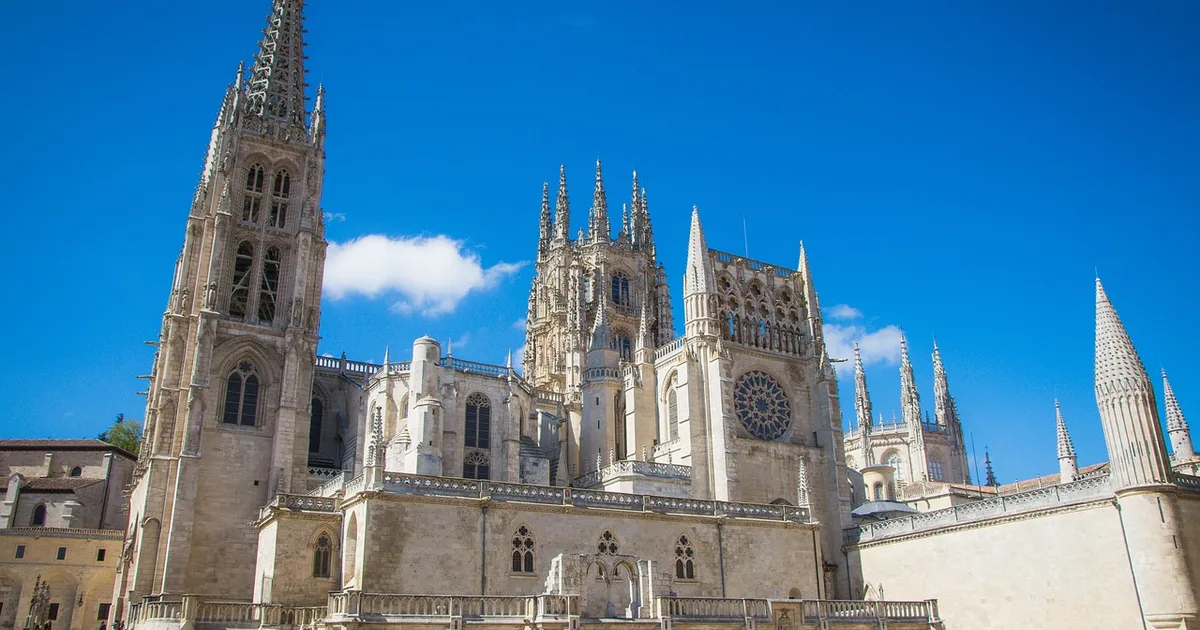
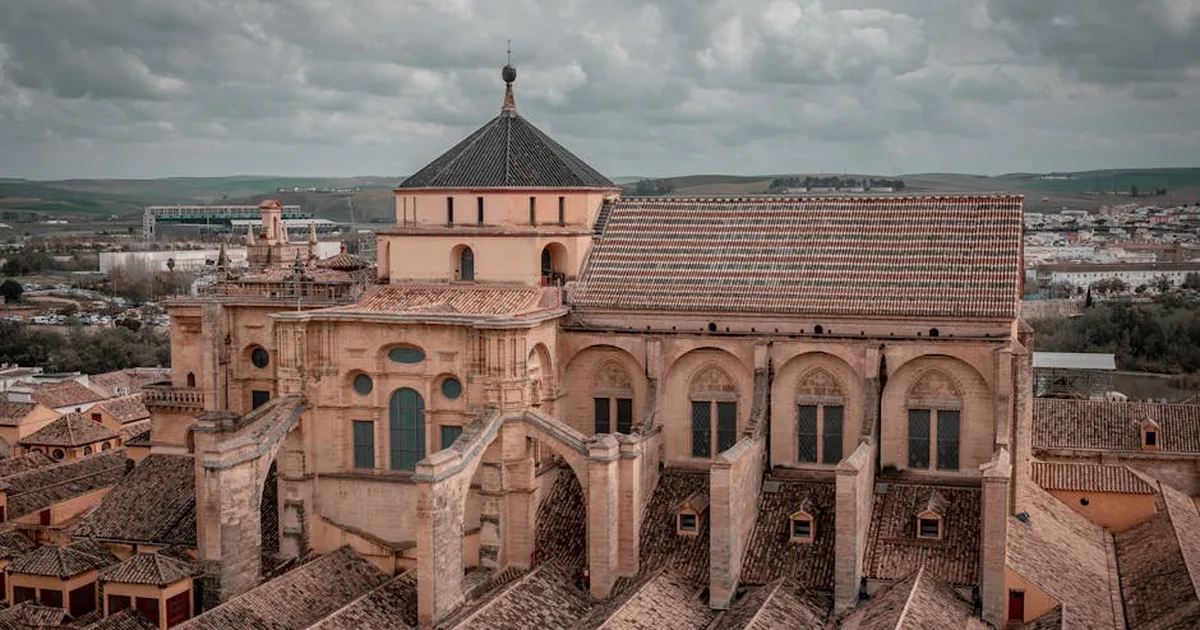
The 16th century marked another significant moment with the arrival of the Reformation and the Counter-Reformation, which led to a profound transformation in the practice and organization of the Christian faith in Spain. The Inquisition, established to maintain Catholic orthodoxy, and the work of missionaries in the Americas also reflect the importance of Christianity in the expansion of Spanish influence. Over the centuries, Christianity has left an indelible mark on Spanish culture, from the architecture of cathedrals to the religious festivities that are still celebrated.
Present Christian Denominations
Currently, Spain is home to various Christian denominations, although the Catholic Church remains the most representative. Below is an approximate breakdown of the main Christian traditions present in the country:
- Catholic Church: Approximately 60-70% of the population identifies as Catholic.
- Evangelical Churches: Around 1-3%, with notable growth in recent decades.
- Pentecostal Churches: Approximately 0.5-1%, also on the rise.
- Orthodox Church: About 0.5%, mainly among immigrant communities.
- Other Christian denominations: Include groups such as Anglicans and Adventists, with a smaller representation.
This landscape shows the religious diversity that, although still dominated by Catholicism, is witnessing growth in other Christian traditions.
Regions with Greater Christian Presence
The regions of Spain with the highest concentration of churches and Christian communities are generally the autonomous communities in the south and central parts of the country. Andalusia, for example, is known for its rich Catholic tradition, with numerous festivities and processions throughout the year. Other regions such as Castilla y León and Madrid also have a strong presence of Catholic churches, as well as growth in evangelical communities. Large cities, such as Barcelona and Valencia, present greater religious diversity, reflecting cultural mixing and immigration.
Christianity in Daily Life
Christian practice in Spain manifests in various ways in daily life. Liturgical festivities, such as Holy Week and Christmas, are important celebrations that attract both believers and non-believers, serving as moments of great social and cultural activity. Pilgrimages, such as the Camino de Santiago, also reflect the Christian spirituality that attracts people from different backgrounds. Furthermore, Christianity continues to play a role in education, with many educational institutions linked to the Church. Despite the growing secularization, elements of cultural syncretism, where Christian traditions intertwine with local customs, are evident in many celebrations and practices throughout the country.
¿Qué denominaciones tienen presencia en España?
Iglesias destacadas


🗺️ El Mapa de la Fe en Spain
Explora todos los templos del país en un mapa interactivo abierto, por denominación y ubicación.
Ver el mapa interactivo →