Churches in Irlanda
Directory of Ireland. 1,192 churches by denomination, state and city. Find Catholic, Evangelical, Baptist and more churches, with addresses, service times and contact details.
¿Cuántas iglesias cristianas hay en Irlanda?
Irlanda tiene 1,192 iglesias registradas en el directorio, distribuidas en 5 denominaciones cristianas principales y 31 estados/provincias.
Religious Landscape of Ireland
Ireland is a country where Christianity has played a fundamental role in its history and culture. Approximately 80-90% of the population identifies as Christian, with the majority being Roman Catholics. However, the religious landscape also includes a growing number of people who identify as non-religious, as well as adherents to other religious traditions, such as Islam and Hinduism, which represent a smaller percentage of the population. This shift in religious identity has been accentuated by a process of secularization that has gained momentum in recent decades, especially among younger generations, who tend to distance themselves from traditional religious institutions.
Historically, Christianity has been a pillar of Irish identity, influencing politics, education, and social life. However, the rise of secularization and religious diversity today has begun to challenge the predominance of Christianity in public life. Recent surveys indicate that a significant number of Irish people identify as "no religion," reflecting a change in beliefs and religious practices in the country.
History of Christianity in Ireland
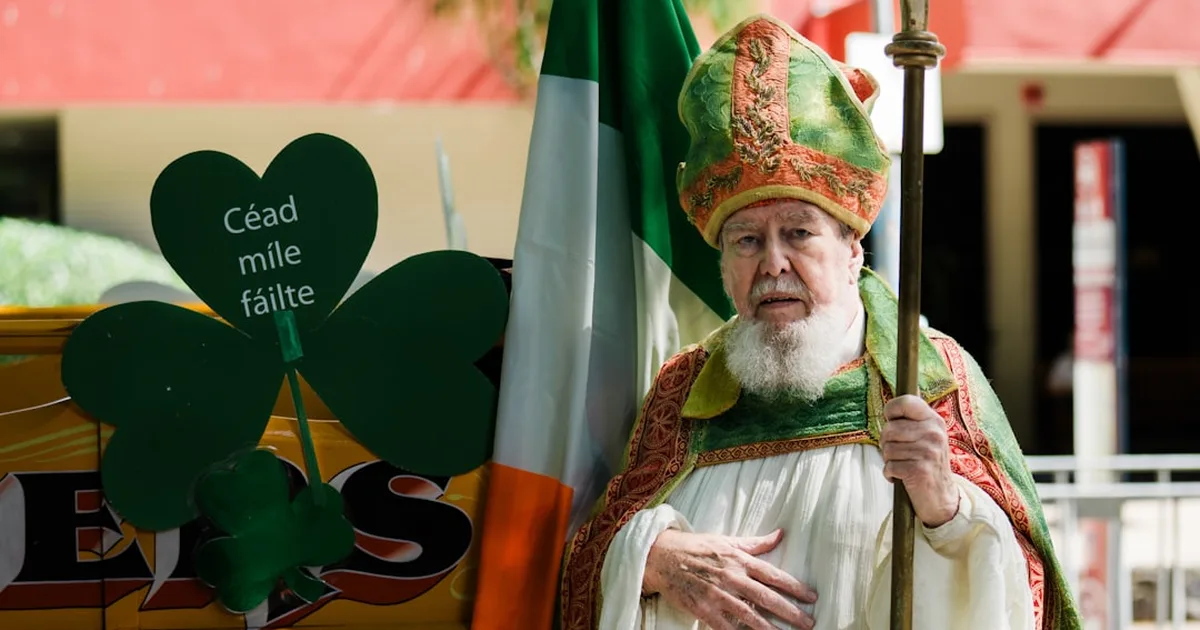
Christianity arrived in Ireland in the 5th century, primarily through the work of Saint Patrick, who is considered the apostle of the country. According to tradition, Saint Patrick used the shamrock to explain the Trinity to the Irish, which helped establish a cultural connection with the Christian faith. Over the centuries, Christianity became deeply rooted in Irish society, leading to the creation of monasteries and centers of learning that played a crucial role in preserving knowledge during the Middle Ages.
From the 12th century onwards, Christianity in Ireland began to experience significant changes with the arrival of Roman Christianity and the consolidation of the Catholic Church. This process was accompanied by political and cultural tensions, especially during the Protestant Reformation in the 16th century, which led to a religious division in the country. The history of Christianity in Ireland is marked by moments of conflict and reconciliation, which have shaped Irish national and cultural identity.
Christian Denominations Present
In Ireland, the main Christian traditions include:
- Catholicism: Approximately 75-80% of the population identifies as Roman Catholic.
- Protestantism: Represents around 10-15% of the population, with various denominations, including Anglicans, Presbyterians, and Methodists.
- Evangelicals and Pentecostals: A smaller but growing percentage identifies as evangelical or Pentecostal, representing approximately 2-5% of the population.
- Orthodox Churches: Although they are a minority, there is a presence of Orthodox communities, especially among immigrants.
Religious diversity in Ireland has been increasing, although Catholicism remains the dominant tradition.
Regions with Higher Christian Presence
The regions with the highest concentration of Christian churches are found in the south and west of Ireland, where Catholicism has a significant presence. Cities like Dublin, Cork, and Galway host numerous churches and Christian communities. In the north, particularly in Northern Ireland, the Protestant presence is more notable, reflecting the political and social history of the region. The differences in religious practice and identity between the north and south of the country are evident and have influenced the social and cultural dynamics of Ireland.
Christianity in Daily Life
The practice of Christianity in Ireland manifests in various ways in daily life. Liturgical celebrations, such as Christmas and Easter, are widely celebrated, and many people participate in religious ceremonies associated with these dates. Additionally, pilgrimages to sacred sites, such as Croagh Patrick, are a common practice among Catholics. Religious education also plays an important role, with many public and private schools incorporating the teaching of the Christian faith into their curriculum. Despite the growing secularization, Christianity remains an integral part of Irish cultural identity, with syncretisms that reflect the rich history of the country and its contemporary diversity.