
Churches in Colombia
Directory of Colombia. 4,727 churches by denomination, state and city. Find Catholic, Evangelical, Baptist and more churches, with addresses, service times and contact details.
¿Cuántas iglesias cristianas hay en Colombia?
Colombia tiene 4,727 iglesias registradas en el directorio, distribuidas en 5 denominaciones cristianas principales y 33 estados/provincias.
Religious Landscape of Colombia
Colombia presents a religious landscape in which Christianity predominates significantly. Approximately 90% of the population identifies as Christian, with the majority belonging to the Catholic Church. However, evangelical and Pentecostal communities have grown in recent decades, reflecting a diversification in religious practice. Other religions, such as Islam and indigenous traditions, represent a smaller percentage of the population, around 5-10%. This religious context is undergoing a process of moderate secularization, where an increasing number of people identify as non-religious or agnostic, although still in relatively low figures.
Historically, Christianity has played a crucial role in shaping Colombian cultural and social identity. Since the arrival of Spanish conquerors in the 16th century, the Catholic religion has been deeply intertwined with the country's history. Despite the influence of modernity and the increase in religious diversity, Christianity remains a central component in the lives of many Colombians.
History of Christianity in Colombia
Christianity arrived in Colombia with the Spanish colonization in the 16th century. Missionaries, mostly from the Franciscan, Dominican, and Jesuit orders, played a fundamental role in the evangelization of indigenous communities. This process not only involved the dissemination of the Christian faith but also the imposition of a new culture and the transformation of existing social structures. Over the centuries, the Catholic Church became a powerful institution, influencing the country's politics and education.
Throughout its history, Colombia has experienced significant moments that have marked the relationship between Christianity and society. The independence of Colombia in the 19th century brought about a change in the relationship between the Church and the State, although Catholic influence continued to be strong. In the 20th century, the emergence of evangelical and Pentecostal movements began to challenge the Catholic monopoly, leading to greater religious plurality. This growth has been accompanied by an increase in the social and political participation of these communities.
Christian Denominations Present
In Colombia, various Christian denominations coexist, reflecting the plurality of the religious landscape. The main Christian traditions present in the country include:
- Catholic Church: Approximately 70-80% of the population.
- Evangelical Churches: Around 10-15% of the population, including various denominations.
- Pentecostal Churches: A growing segment within the evangelical movement, representing approximately 5-10%.
- Orthodox Churches: Smaller but active presence, with communities in some cities.
These figures are approximate and may vary according to sources and data collection methods.
Regions with Higher Christian Presence
The regions with the highest concentration of Christian churches in Colombia include cities like Bogotá, Medellín, and Cali, where both Catholic and evangelical churches can be found. In the Colombian Caribbean, Afro-descendant communities have developed religious expressions that combine elements of Christianity with African traditions. In contrast, in rural areas, the Catholic Church often maintains a dominant presence, although evangelical communities have also managed to establish themselves in these areas.
Christianity in Daily Life
Christian practice in Colombia manifests in various ways in daily life. Liturgical celebrations, such as Holy Week and Christmas, are important events that bring communities together around rituals and traditions. Pilgrimages to sacred places, such as the Basilica of Our Lady of Chiquinquirá, are significant events that attract thousands of faithful. Additionally, Christianity has a notable presence in the educational system, with numerous Christian-inspired schools. In some regions, cultural syncretism is also observed in the fusion of Christian beliefs with indigenous and Afro-descendant practices, thus enriching the country's religious landscape.
¿Qué denominaciones tienen presencia en Colombia?
¿En qué estados se concentran las iglesias?
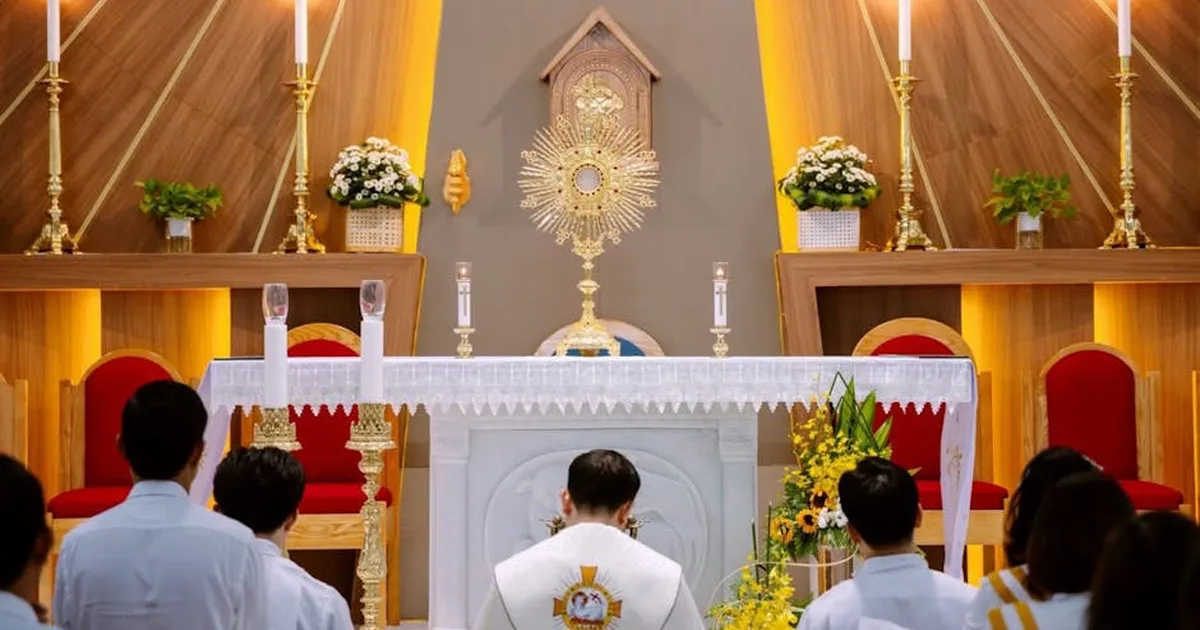
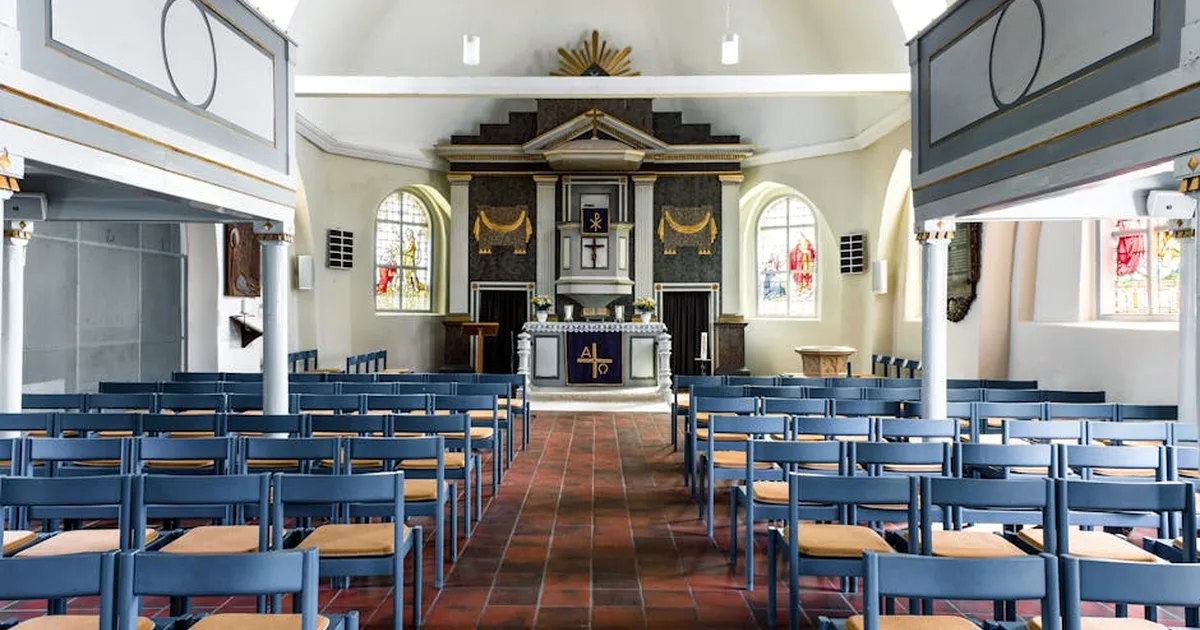
Iglesias destacadas



🗺️ El Mapa de la Fe en Colombia
Explora todos los templos del país en un mapa interactivo abierto, por denominación y ubicación.
Ver el mapa interactivo →