
Churches in Brasil
Directory of Brazil. 36,201 churches by denomination, state and city. Find Catholic, Evangelical, Baptist and more churches, with addresses, service times and contact details.
¿Cuántas iglesias cristianas hay en Brasil?
Brasil tiene 36,201 iglesias registradas en el directorio, distribuidas en 5 denominaciones cristianas principales y 27 estados/provincias.
Religious Landscape of Brazil
Brazil is a country with notable religious diversity, where approximately 85% of the population identifies as Christian. This figure includes a wide variety of traditions, from Catholicism to different branches of Protestantism. Despite this predominance, Brazil also hosts a significant number of people who identify with other religions, including Spiritism, Afro-Brazilian religions, and Islam, among others. In recent years, a process of secularization has been observed in some urban areas, where a growing percentage of the population identifies as non-religious or spiritual but not affiliated with any organized religion.
Christianity has a significant historical weight in Brazil, having been the predominant religion since the arrival of Portuguese colonizers in the 16th century. Over the centuries, Christianity has influenced the culture, politics, and social life of the country. However, in the modern context, there has been a shift in perception and religious practice, with an increase in the diversity of beliefs and spiritual practices, reflecting a constantly evolving society.
History of Christianity in Brazil
Christianity arrived in Brazil with the Portuguese in 1500, when the country was colonized. The Catholic Church was the main religious institution during the first centuries of colonization, playing a crucial role in the evangelization of indigenous populations and in the formation of Brazilian culture. In the 19th century, with the arrival of European immigrants, other Christian traditions, such as Lutheranism and Methodism, were introduced and began to establish themselves in the country.
During the 20th century, the religious landscape of Brazil began to diversify even further with the emergence of evangelical and Pentecostal movements. These movements have grown significantly in recent decades, impacting Brazilian culture and society. Throughout history, Christianity has been present at key moments, such as the abolition of slavery in 1888, where many churches played an important role in defending human rights, and in the struggle for democracy in the 1960s and 1980s.
Christian Denominations Present
In Brazil, various Christian denominations coexist, each with its own history and practices. Below is a list of the most notable Christian traditions in the country, along with their approximate proportions:
- Catholic Church: Approximately 50-55%
- Evangelical Churches: Approximately 30-35%
- Pentecostal Churches: A significant part of the evangelical churches
- Orthodox Church: Approximately 1-2%
- Other Protestant Denominations: Approximately 5-10%
This diversity reflects the plurality of beliefs and practices that characterize Christianity in Brazil, where each group contributes to the rich religious tapestry of the country.
Regions with Higher Christian Presence
The regions with the highest concentration of Christian churches in Brazil include the southeast, especially in the states of São Paulo and Rio de Janeiro, where both large Catholic cathedrals and numerous evangelical churches can be found. In the northeast, Christianity also has a strong presence, with a notable number of Catholic faithful and a growth of evangelical communities. The largest cities, such as São Paulo, Rio de Janeiro, and Salvador, are important centers for religious activity, with a variety of events and celebrations that reflect the diversity of Christian traditions in the country.
Christianity in Daily Life
Christian practice in Brazil manifests in various ways in the daily lives of its inhabitants. Liturgical festivities, such as Holy Week and Christmas, are widely celebrated, and many people participate in pilgrimages to sacred places. Additionally, Christianity has a strong presence in the educational system, with numerous schools and universities affiliated with different denominations. Cultural syncretism is also a notable feature, where elements of Afro-Brazilian religions have intertwined with Christian practices, creating a rich amalgam of beliefs that reflect the diversity and history of the country.
¿Qué denominaciones tienen presencia en Brasil?
¿En qué estados se concentran las iglesias?
Iglesias destacadas
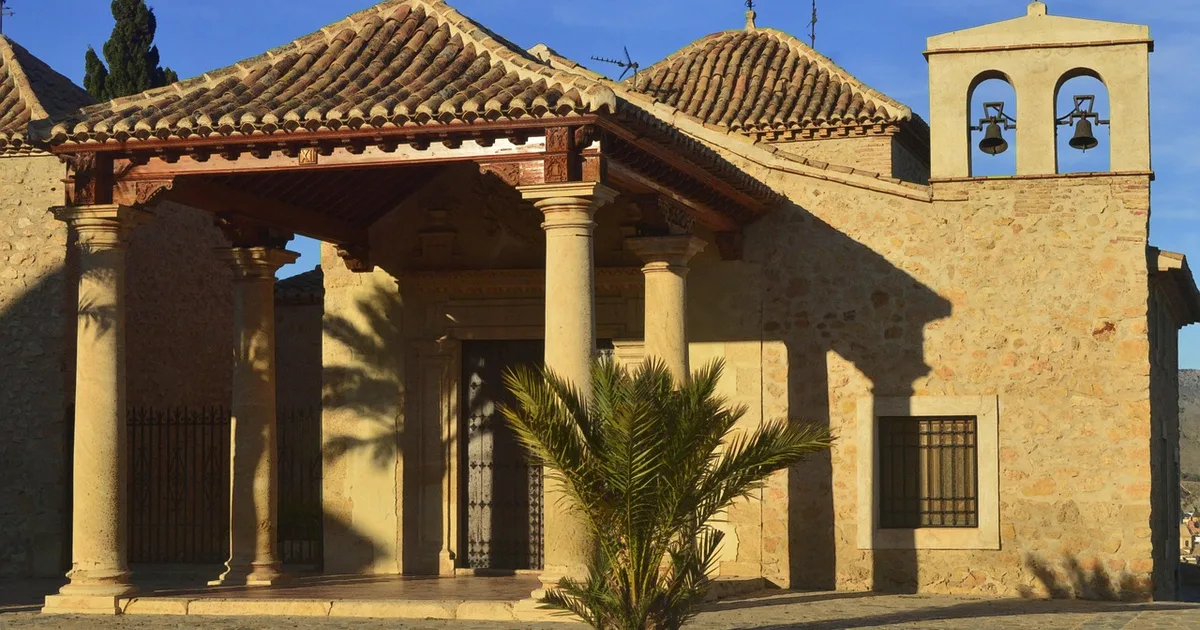
🗺️ El Mapa de la Fe en Brazil
Explora todos los templos del país en un mapa interactivo abierto, por denominación y ubicación.
Ver el mapa interactivo →