
Churches in México
Directory of Mexico. 11,783 churches by denomination, state and city. Find Catholic, Evangelical, Baptist and more churches, with addresses, service times and contact details.
¿Cuántas iglesias cristianas hay en México?
México tiene 11,783 iglesias registradas en el directorio, distribuidas en 5 denominaciones cristianas principales y 32 estados/provincias.
Religious Landscape of Mexico
Mexico presents a diverse religious landscape, where Christianity is the predominant faith. Approximately 80% of the population identifies as Christian, with the majority belonging to the Catholic Church. However, in recent decades, there has been notable growth of evangelical and Pentecostal denominations, which have attracted a significant number of followers. In contrast, other religions, such as Judaism, Islam, and indigenous beliefs, represent a much smaller percentage, constituting around 1-2% of the total population. This predominance of Christianity has been shaped by a rich and complex history, which has influenced the culture and national identity of the country.
Despite its strong roots, Mexico has experienced a process of secularization in recent decades. This phenomenon has manifested in an increase in the population identifying as non-religious, as well as a decrease in attendance at regular religious services. Nevertheless, Christianity continues to have a significant impact on the daily lives of many Mexicans, reflecting a coexistence between religious tradition and contemporary trends towards secularization.
History of Christianity in Mexico
Christianity arrived in Mexico in the 16th century with the arrival of Spanish conquerors. Hernán Cortés and his men, while establishing Spanish dominion, also introduced the Catholic faith as part of their colonial agenda. Evangelization was primarily carried out by religious orders such as the Franciscans, Dominicans, and Jesuits, who played a crucial role in the conversion of indigenous populations. This process involved not only the spread of the Catholic faith but also the creation of educational and health institutions that endure to this day.
Over the centuries, Christianity has intertwined with Mexican culture, influencing festivities, traditions, and daily life. Significant moments, such as the appearance of the Virgin of Guadalupe in 1531, have solidified the Catholic identity in the country and have been fundamental in cultural resistance against colonization. The Mexican Revolution in the early 20th century also marked a turning point, where the role of the Church in society was questioned, leading to a period of conflict between the state and religious institutions.
Present Christian Denominations
In Mexico, the main Christian denominations include the Catholic Church, evangelical and Pentecostal communities, as well as some Orthodox churches. The following table presents the approximate proportion of each tradition:
| Denomination | Approximate Proportion | |------------------------|-----------------------| | Catholic Church | 70-80% | | Evangelicals | 10-15% | | Pentecostals | 5-10% | | Others (including Orthodox) | 1-2% |
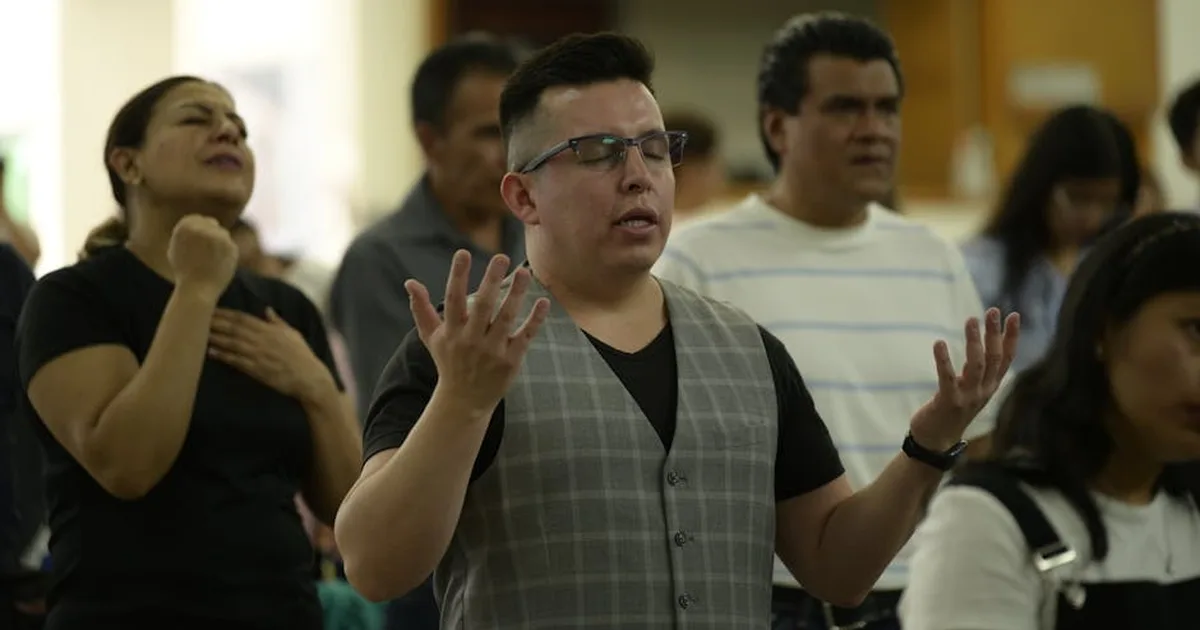
The growth of evangelical and Pentecostal communities has been notable in recent decades, driven by a focus on evangelization and the use of modern media. This diversity of denominations reflects not only the plurality of beliefs but also the search for different forms of expression of faith in the Mexican context.
Regions with Greater Christian Presence
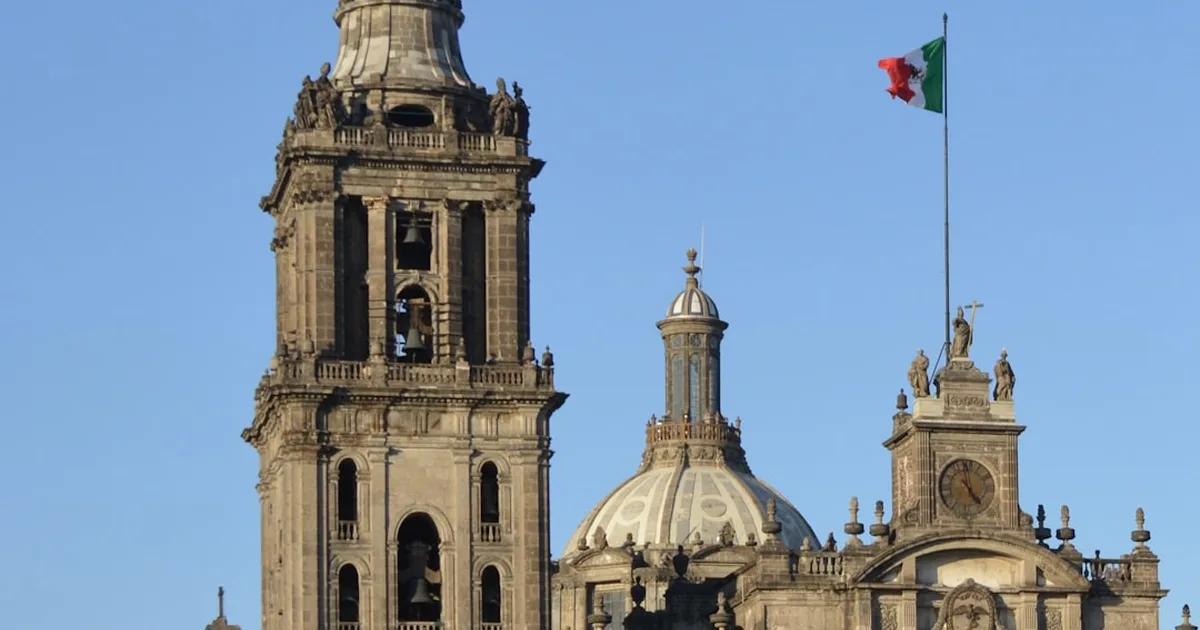
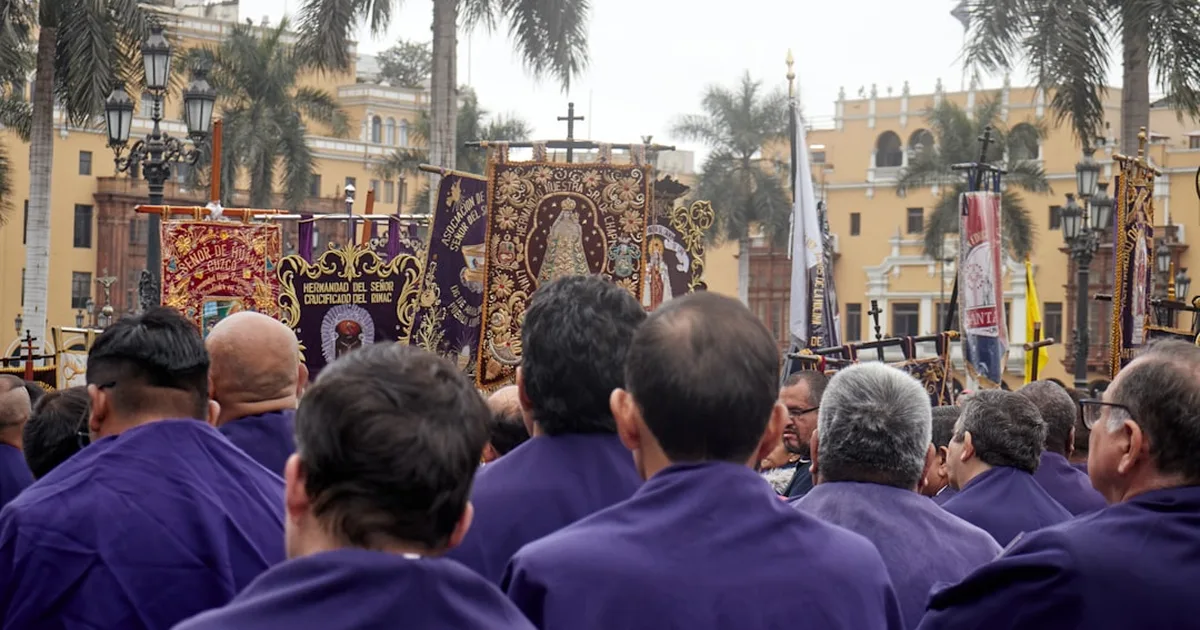
The regions with the highest concentration of Christian churches in Mexico include the center and south of the country, especially in states such as Jalisco, Guanajuato, and Puebla. Mexico City, as the capital, also hosts a large number of churches of various denominations. In these areas, Catholic traditions are particularly strong, with festivities such as the celebration of the Day of the Dead and Holy Week attracting thousands of worshippers. However, evangelical communities have rapidly grown in several regions, especially in the north of the country, where numerous congregations have been established.
Christianity in Daily Life
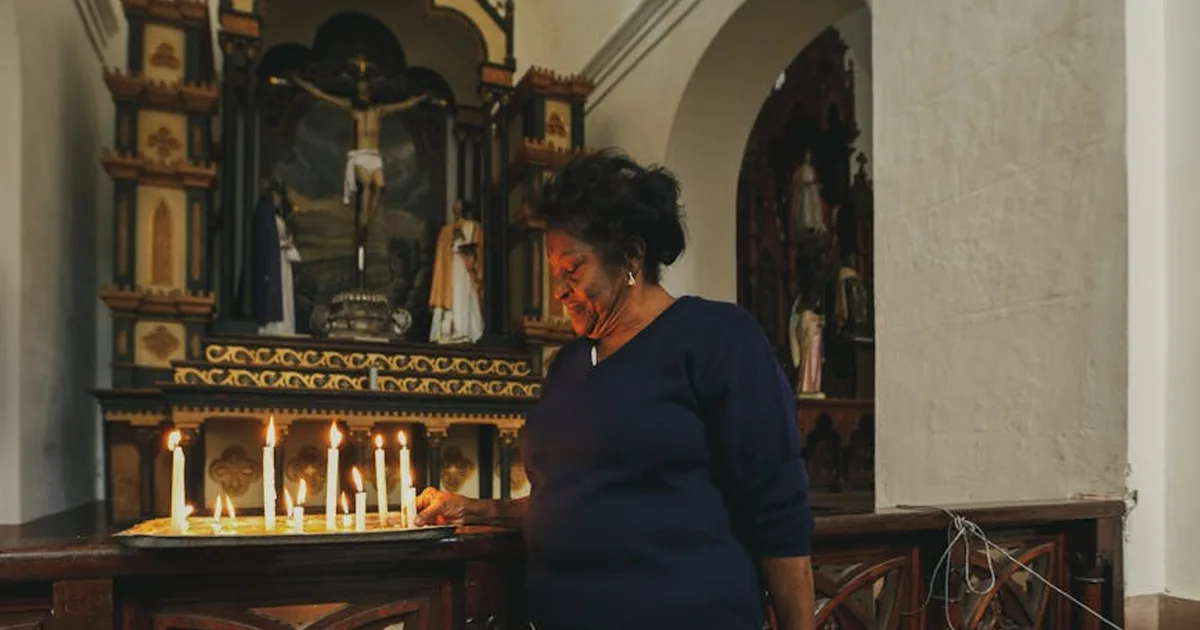
Christian practice in Mexico manifests in various ways in the daily lives of its inhabitants. Liturgical celebrations, such as Christmas and Holy Week, are highly relevant events that involve entire communities in celebrations and rituals. Pilgrimages, such as the one to the Basilica of Guadalupe, are deeply rooted expressions of faith in Mexican culture. Additionally, Christianity has a notable presence in the educational system, with many Catholic and evangelical schools offering academic and spiritual training. Cultural syncretism is also evident, as many indigenous religious festivities and practices have been incorporated into Christian celebrations, creating a rich amalgam of beliefs and traditions that characterize spirituality in Mexico.
¿Qué denominaciones tienen presencia en México?
¿En qué estados se concentran las iglesias?
Iglesias destacadas

🗺️ El Mapa de la Fe en Mexico
Explora todos los templos del país en un mapa interactivo abierto, por denominación y ubicación.
Ver el mapa interactivo →