
In our increasingly mobile world, we often encounter families and children who have left their familiar surroundings to seek safety, opportunity, or simply survival. These young travelers—whether crossing borders with family or sometimes alone—carry stories in their hearts that many of us can scarcely imagine. Their journeys remind us of the fundamental Christian call to hospitality, particularly toward those most vulnerable among us.
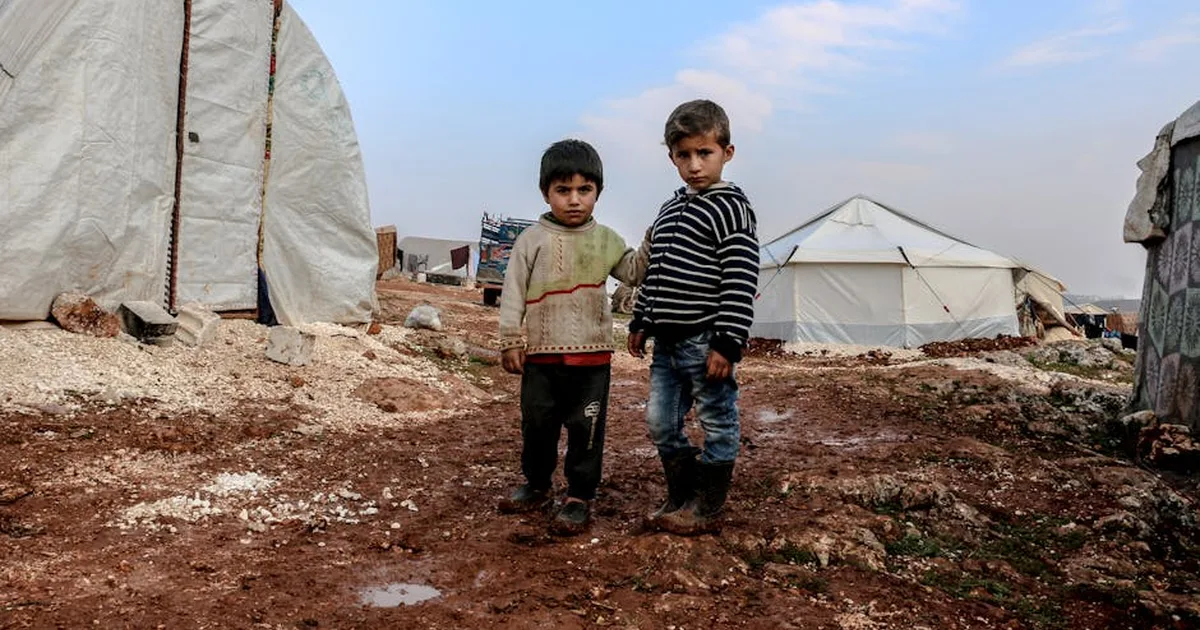
The Biblical Foundation of Welcome
Throughout Scripture, we find consistent themes of welcoming strangers and caring for those displaced from their homes. The people of Israel themselves knew what it meant to be foreigners in a strange land, and God's instructions were clear about how they should treat others in similar circumstances. This divine concern for the displaced didn't end with the Old Testament but found its fullest expression in the life and teachings of Jesus.
"For I was hungry and you gave me something to eat, I was thirsty and you gave me something to drink, I was a stranger and you invited me in." (Matthew 25:35, NIV)
This powerful passage reminds us that our response to those in need—including migrant children—is ultimately a response to Christ himself. When we welcome the young stranger, we welcome Jesus into our midst.
The Unique Vulnerability of Children on the Move
Children who migrate face particular challenges that deserve our special attention:
- Disrupted Education: Moving often means interrupted schooling, creating gaps in learning that can affect a child's future
- Emotional Trauma: Leaving home, sometimes under dangerous circumstances, can create lasting emotional wounds
- Cultural Dislocation: Learning new languages, customs, and social norms while maintaining connection to one's heritage
- Family Separation: Some children travel without parents or become separated during the journey
These realities call for compassionate responses that recognize both the resilience of these young people and the significant obstacles they face.
Practical Ways to Extend Christian Hospitality
Welcoming migrant children doesn't require grand gestures or political activism. Often, the most meaningful responses happen in everyday encounters and local communities. Here are some practical ways churches and individuals can respond:
- Create Safe Spaces: Ensure your church or community center feels welcoming to families from different backgrounds
- Support Local Organizations: Many communities have organizations assisting migrant families—consider volunteering or donating
- Educational Support: Offer tutoring, language assistance, or school supply drives for children adjusting to new educational systems
- Cultural Exchange: Host events where families can share their traditions while learning about their new community
- Prayerful Awareness: Include migrant families in your regular prayers and encourage others to do the same
Learning from Biblical Journeys
The Bible is filled with stories of people on the move. Consider young Moses, hidden in a basket as his family sought to protect him from danger. Or the boy Jesus himself, who traveled to Egypt as a refugee with Mary and Joseph when Herod threatened his life. These stories remind us that God often works through displacement and that divine protection accompanies those who must leave home.
"He defends the cause of the fatherless and the widow, and loves the foreigner residing among you, giving them food and clothing." (Deuteronomy 10:18, NIV)
This Old Testament instruction reveals God's particular concern for those without natural protectors—a category that certainly includes children traveling without family support.
Building Bridges Across Differences
When we welcome migrant children into our communities, we're not just performing an act of charity—we're building relationships that can transform everyone involved. These young people bring:
- New perspectives on faith and resilience
- Cultural richness that expands our understanding of God's diverse creation
- Opportunities to practice Christ-like love in tangible ways
- Reminders of our shared humanity beneath surface differences
In a world often divided by borders and barriers, the simple act of welcoming a child can become a powerful testimony to the unifying love of Christ.
A Reflection for Christian Communities
As we consider how to respond to migrant children in our time, we might reflect on what it means to be a people who are "in but not of" the world. Our citizenship in God's kingdom transcends national boundaries and calls us to see every child as bearing the image of God, regardless of their country of origin or legal status.
This doesn't mean ignoring the complexities of migration policy or the legitimate concerns of communities receiving newcomers. Rather, it means approaching these issues with hearts shaped by the Gospel—hearts that prioritize compassion, recognize human dignity, and seek practical ways to love our neighbors, especially the youngest and most vulnerable among them.
Perhaps the most profound response begins with seeing these children not as problems to be solved or statistics to be managed, but as individual bearers of God's image, each with unique gifts, dreams, and needs. When we look into the eyes of a child who has journeyed far from home, we're looking at someone Jesus loves deeply—someone for whom he was willing to leave the comfort of heaven itself.
May our churches become places where every child, regardless of their journey, finds welcome, safety, and the love of Christ made tangible through our actions.


Comments