
Across the country, music education in public schools has been quietly shrinking. Budget cuts, shifting academic priorities, and a focus on standardized testing have pushed arts programs to the margins. Many children today never experience the joy of singing in a choir, learning an instrument, or reading sheet music. This loss is more than a cultural one—it affects how young people develop discipline, teamwork, and emotional expression.
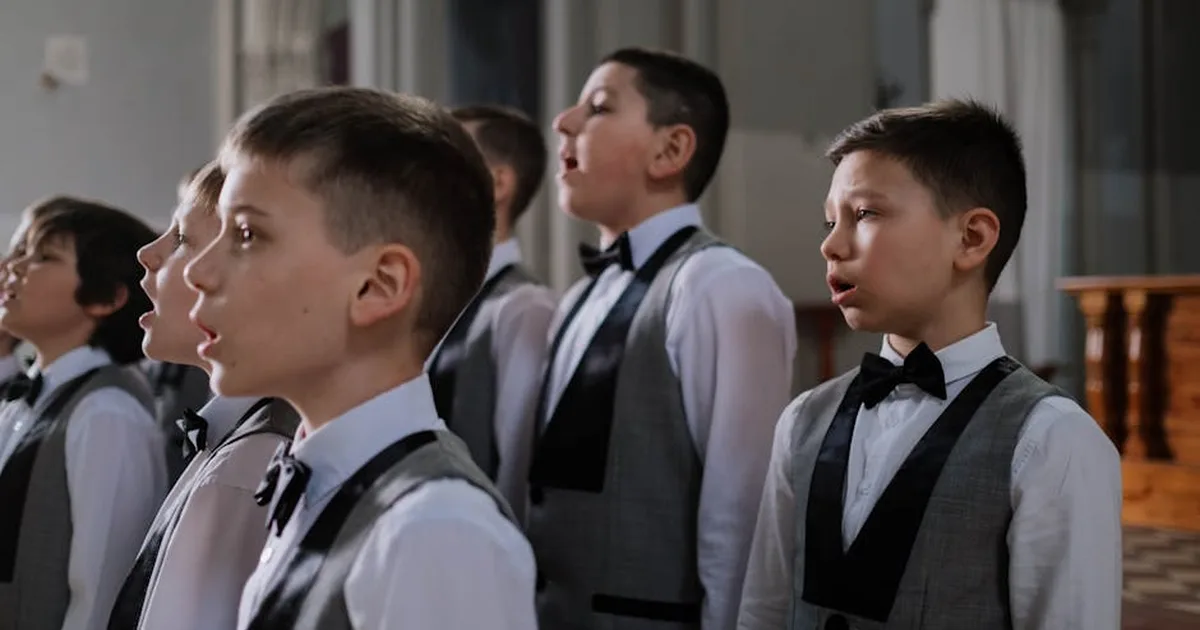
For centuries, the church has been a guardian of sacred music. From Gregorian chant to gospel hymns, Christian communities have understood the power of song to lift hearts and unite believers. Now, as schools struggle to maintain music programs, churches have a unique opportunity to step in and serve their communities. By opening their doors and sharing their musical resources, congregations can help fill a gap that affects children from all backgrounds.
“Sing to the Lord a new song; sing to the Lord, all the earth.” — Psalm 96:1 (NIV)
Why Music Education Matters for Every Child
Music is not a luxury; it is a vital part of human development. Studies show that children who participate in music programs perform better in math and reading, develop stronger memory skills, and gain confidence in public speaking. Learning to sing or play an instrument requires focus, patience, and cooperation—qualities that serve students well in every area of life.
Beyond academics, music provides an outlet for emotions. For many young people, especially those facing difficult home situations, a choir rehearsal or a music class can be a safe haven. It offers a way to process feelings and connect with others in a positive, structured environment. The church has long recognized this healing power of music, from the Psalms of lament to the joyful songs of resurrection.
The Spiritual Dimension of Music
Music is woven into the fabric of Christian worship. The Bible is filled with references to singing, playing instruments, and making melody to the Lord. When churches share music with the wider community, they are not just teaching a skill—they are offering a glimpse of the beauty and order of God’s creation. For children who may never step inside a church building, a music program can be a first encounter with the peace and purpose that faith brings.
This is not about proselytizing. It is about embodying the love of Christ by meeting a tangible need. When a church provides free music lessons or hosts a community choir, it builds trust and goodwill. It says, “We care about your child’s whole development.”
Practical Ways Churches Can Support School Music
Many churches already have the facilities and expertise to make a difference. The key is to think creatively and partner intentionally with local schools. Here are several actionable steps that congregations can take, whether they are large or small.
Offer Rehearsal Space and Instruments
Most school music programs lack adequate space. Church sanctuaries, fellowship halls, and classrooms can serve as rehearsal venues for school choirs, bands, and orchestras. If a church has a piano or other instruments that are not in regular use, consider loaning them to a nearby school. Even offering storage space for instrument cases can be a huge help.
Launch a Children’s Choir Open to the Community
A church-based children’s choir that is open to all children—not just members—can supplement what schools are unable to provide. This choir can perform at community events, nursing homes, and even during worship services, but the focus should be on musical education and enjoyment. Recruit a qualified director from within the congregation or partner with a local music teacher.
Provide Scholarships for Private Lessons
Many talented students cannot afford private music instruction. Churches can set up a fund to cover lessons for children from low-income families. Partner with local music teachers who are willing to offer reduced rates, and publicize the scholarship through school counselors. This is a direct investment in a child’s future.
Host Music Workshops and Summer Camps
During school breaks, churches can organize music camps that teach singing, songwriting, or basic instrument skills. These events can be led by church musicians and volunteers, and they provide a constructive, faith-friendly environment for children. Even a one-day workshop on a Saturday can spark a lifelong interest in music.
“Praise him with the sounding of the trumpet, praise him with the harp and lyre.” — Psalm 150:3 (NIV)
Overcoming Common Obstacles
Some church leaders may worry about liability, lack of expertise, or simply not knowing where to start. These concerns are valid, but they need not be barriers. Most challenges can be addressed with careful planning and collaboration.
Liability and Safety
Churches should have clear policies for working with minors, including background checks for volunteers and staff. Insurance policies often cover community outreach programs, but it is wise to review coverage with your provider. Schools may also have their own requirements for using off-site facilities.
Finding Qualified Leadership
Not every church has a trained music director. However, many congregations have members with musical backgrounds who are willing to serve. Retired music teachers, college students studying music, and local professional musicians are often happy to contribute their skills for a meaningful cause. Consider offering a small stipend or honorarium to attract quality instructors.
Building Relationships with Schools
Approach school administrators with a spirit of partnership, not competition. Explain that your church wants to support the school’s mission, not replace it. Offer to help in ways that the school identifies as most needed. A respectful, collaborative attitude goes a long way.
A Vision for the Future
Imagine a community where every child has the chance to sing, to play, and to create. Where the doors of the church are open not just on Sunday, but throughout the week as a center for learning and growth. This vision is possible when churches and schools work together. It honors God, strengthens families, and enriches the entire community.
The Bible tells us that “the earth is the Lord’s, and everything in it” (Psalm 24:1). Our talents, our buildings, our resources—all are gifts to be used for the good of others. By investing in music education, churches invest in the next generation, planting seeds of beauty and truth that will bear fruit for years to come.
Reflection and Next Steps
What is your church doing to support music in your local schools? If you are not sure, start by reaching out to a music teacher or principal. Ask them what they need most. It might be as simple as offering a room for practice or as ambitious as launching a community choir. Whatever the scale, your efforts matter.
Take a moment to pray about how God might use your gifts and your church’s resources to bring more music into the lives of children. Then take one small step—a conversation, a meeting, a commitment. The music of faith has the power to change lives. Let it ring out.



Comentarios