
The German Catholic Church has long been a bellwether for reform within the global Catholic community. In recent years, the "Synodal Way" — a multi-year process of dialogue and decision-making — has aimed to address issues like clerical sexual abuse, the role of women, and priestly celibacy. But now, a new hurdle has emerged: the Vatican's request to postpone the first meeting of a proposed synodal council until its statutes are formally approved.
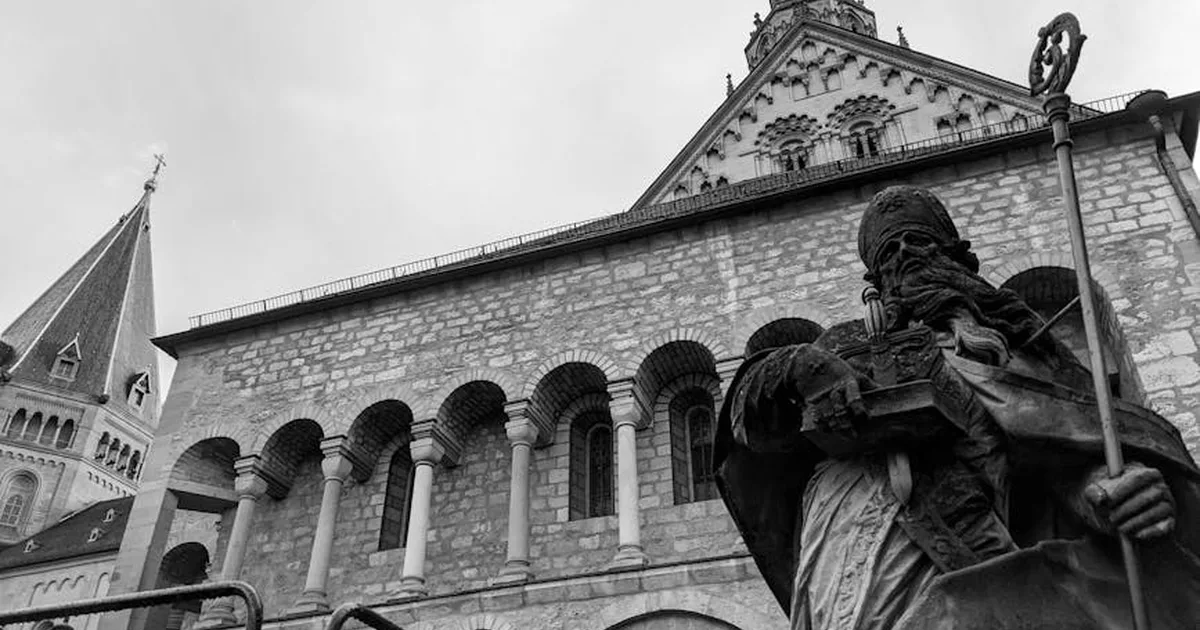
This development has left many German bishops in a delicate position. On one hand, they are committed to the synodal process that emerged from widespread calls for change. On the other, they must navigate the authority of the Holy See, especially under the leadership of Pope León XIV, who was elected in May 2025 following the death of Pope Francis in April 2025. The new pope has not yet signaled his full stance on the German synodal path, but the request for delay suggests caution.
For everyday Christians in Germany and beyond, this moment raises important questions about how the Church balances local initiative with universal unity. As Paul writes in Ephesians 4:3 (ESV), we are called to "maintain the unity of the Spirit in the bond of peace." This is a challenging call when different parts of the Church see the path forward differently.
What Is the Synodal Council?
The synodal council is a proposed permanent body of bishops, clergy, and laity that would oversee ongoing reforms in the German Church. It emerged from the Synodal Way, which began in 2019 as a response to the sexual abuse crisis and a desire for greater transparency and participation.
Proponents argue that such a council would make the Church more accountable and responsive. Critics, including some Vatican officials, worry it could undermine the hierarchical nature of the Church and lead to divisions. The current impasse centers on the statutes that would define the council's authority and relationship with Rome.
A Delicate Balance
The German bishops' conference chairman, Bishop Georg Bätzing, has indicated that the first meeting of the synodal council cannot proceed without Vatican approval of its statutes. This is a significant concession, but it also reflects the reality that the Catholic Church is a global communion with a central authority.
For many German Catholics, this feels like a setback. They had hoped the Synodal Way would lead to concrete changes, such as allowing women to preach at Mass or revising teachings on homosexuality. However, the Vatican's caution suggests that such changes may not come quickly or easily.
As the body of Christ, we are reminded in 1 Corinthians 12:12-13 (NIV) that "just as a body, though one, has many parts, but all its many parts form one body, so it is with Christ." The challenge is to honor both the local and universal dimensions of the Church.
Voices from the Pew
In parishes across Germany, reactions are mixed. Some faithful feel that the synodal process is long overdue. "We need a Church that listens to the people," says Maria, a catechist from Munich. "The abuse scandal showed us that top-down authority can fail. We need shared responsibility."
Others are more cautious. Thomas, a deacon in Cologne, worries about division. "I love the Church universal. I don't want us to go our own way and lose connection with Catholics in Africa, Asia, or the Americas. We need to stay together."
These perspectives reflect a broader tension in the global Church between reform and tradition. The German situation is being watched closely by Catholics in other countries, especially those where similar synodal processes are underway.
What Does the Bible Say?
While the Bible does not directly address modern synodal structures, it offers principles for decision-making in the Church. In Acts 15, the Council of Jerusalem shows how early Christians resolved a major dispute — whether Gentile converts must follow Jewish law — through discussion, prayer, and the guidance of the Holy Spirit.
"It seemed good to the Holy Spirit and to us not to burden you with anything beyond the following requirements" (Acts 15:28, NIV).
This model of communal discernment, united in the Spirit, is a powerful example for the German Church today. The challenge is to ensure that the process remains rooted in prayer and open to the Spirit's leading, rather than becoming merely a political exercise.
The Role of Pope León XIV
Pope León XIV, elected in May 2025, has inherited a complex situation. His predecessor, Pope Francis, had encouraged the German synodal path but also expressed concerns about its direction. The new pope's approach is still unfolding.
Observers note that Pope León XIV has emphasized unity and communion in his early statements. In his first general audience, he said, "The Church is not a parliament; it is a family. But in a family, everyone has a voice, and decisions are made together under the father's guidance."
This suggests that while the pope values dialogue, he also insists on the primacy of the bishop of Rome. The German bishops must navigate this reality as they seek to move forward.
Praying for Wisdom
As Christians, we are called to pray for our leaders. In 1 Timothy 2:1-2 (ESV), Paul urges "that supplications, prayers, intercessions, and thanksgivings be made for all people, for kings and all who are in high positions." This includes bishops, popes, and all who guide the Church.
For the German bishops, this is a moment that requires both courage and humility. They must advocate for their local Church while remaining in communion with Rome. For the Vatican, it requires listening to the legitimate concerns of German Catholics. For all of us, it is a reminder that the Church is a pilgrim people, always seeking to be faithful to Christ in changing times.
Practical Reflections for Readers
Whether you are Catholic, Protestant, or Orthodox, the German situation offers lessons for your own faith community. How does your church make decisions? Is there room for both leadership and participation? Are you praying for unity even when you disagree?
Consider these questions as you reflect on your own congregation. Perhaps there is an issue where you feel change is needed. How can you engage in a spirit of love and respect, seeking the guidance of the Holy Spirit?
As Hebrews 10:24-25 (NIV) reminds us: "And let us consider how we may spur one another on toward love and good deeds, not giving up meeting together, as some are in the habit of doing, but encouraging one another — and all the more as you see the Day approaching."

Comentarios