
In an age where algorithms curate our news feeds and chatbots mimic human conversation, a quiet but urgent question emerges: What does it mean to truly see another person? Pope Leo XIV, in his message for the 60th World Day of Social Communications, invites Christians to reflect on this very question. He urges us to preserve the human face and voice in a world increasingly shaped by artificial intelligence. This is not a call to reject technology but to use it wisely, ensuring that our digital interactions never replace the sacred encounter between real human beings.
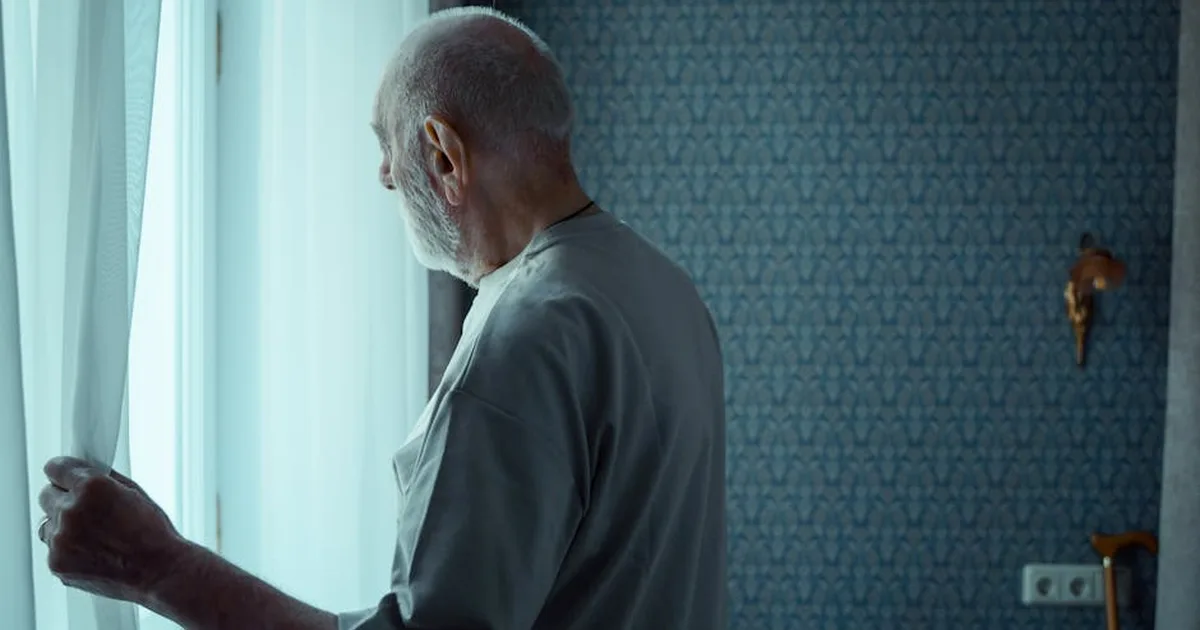
Archbishop Eamon Martin recently echoed this sentiment, reminding the faithful that the Church must always seek to preserve the faces of those who are easily hidden, edited out, mocked, exploited, or forgotten. The face of the poor, the refugee, the abused, the lonely young person, the elderly person in a room with no visitors—these are the faces of Christ in our midst. In a culture that often reduces people to data points or consumer profiles, the Gospel calls us to a deeper recognition of each person's inherent dignity.
What Makes Us Human?
Pope Leo's message centers on a simple yet profound truth: every human being has a face and a voice. Before we are a profile, a statistic, a screen name, or a case number, we are someone created in the image and likeness of God. This biblical foundation (Genesis 1:27) grounds our understanding of human dignity. It means that no algorithm, no matter how sophisticated, can replicate the sacred uniqueness of a person made in God's image.
Technology today can imitate the human face, clone the human voice, simulate affection, and produce convincing falsehoods. It can shape what people see, think, and feel. But the question remains: Is our communication truly recognizing, protecting, and serving the human person? The Bible reminds us that God communicated with us not from a distance but by becoming flesh. As John 1:14 says, "The Word became flesh and made his dwelling among us." In Jesus Christ, God showed us His face, spoke with a human voice, and loved with a human heart.
AI and the Risk of Depersonalization
Artificial intelligence offers incredible benefits—from medical diagnostics to personalized learning. Yet it also carries risks. When we interact primarily with screens and chatbots, we can lose sight of the person behind the message. Loneliness, already an epidemic in many societies, can deepen as virtual connections replace real ones. The elderly, the isolated, and the marginalized are particularly vulnerable. They may have faces that society prefers to ignore, but the Church is called to see them.
Archbishop Martin's words challenge us: "The face of the elderly person in a room with no visitors" must not be forgotten. In a world where AI can generate a friendly voice or a reassuring face, we must ask ourselves whether we are using technology to connect or to avoid the messy, beautiful reality of human relationships. True communication requires presence, vulnerability, and the willingness to be changed by the other.
Preserving Voices and Faces in Parish Life
How can local churches respond to this call? It begins with small, intentional practices. In parish life, we can prioritize face-to-face encounters over digital ones. Coffee hours after services, home visits to the sick, and community meals are not outdated traditions—they are essential expressions of our faith. They remind us that every person has a story, a name, and a dignity that cannot be captured by data.
Schools and families also play a crucial role. Parents can model healthy technology use by putting down their phones and looking into their children's eyes. Teachers can encourage students to see their classmates as more than profiles on a screen. The Church can offer resources that help families navigate the digital world while keeping human connection at the center.
The Example of Jesus
Jesus consistently saw people whom others overlooked. He noticed the woman at the well (John 4), the tax collector in the tree (Luke 19), and the blind beggar on the roadside (Mark 10). He did not treat them as cases or problems to be solved. He looked at them, spoke to them, and restored their dignity. In a world of mass communication, Jesus offers a model of personal, attentive love.
As followers of Christ, we are called to do the same. Whether we are posting on social media, sending an email, or speaking with a neighbor, we can ask ourselves: Am I truly seeing this person? Am I honoring their face and voice? This is not about perfection but about intention. It is a daily discipline of love.
Practical Steps for a Digital Age
Here are a few ways to preserve human faces and voices in your own life:
- Prioritize real conversations: When possible, talk in person or by phone instead of texting. Listen without multitasking.
- Limit screen time: Set boundaries for yourself and your family. Create tech-free zones during meals or before bedtime.
- Use technology to connect, not replace: Video calls can bridge distances, but they should supplement, not substitute, in-person visits.
- Advocate for ethical AI: Support policies and companies that prioritize human dignity over profit or efficiency.
- Pray for those who are unseen: Ask God to open your eyes to the people around you who may be lonely or forgotten.
A Reflection for Today
As you go about your week, consider this: Who is someone you might be overlooking? A neighbor who lives alone? A coworker who seems distant? A family member who is always on their phone? Take a moment to truly see them. Offer them your presence, your attention, your care. In doing so, you are participating in the very heart of the Gospel—recognizing the face of Christ in every person.
"For we are God's handiwork, created in Christ Jesus to do good works, which God prepared in advance for us to do." (Ephesians 2:10, NIV)
Pope Leo XIV's message is a timely reminder that our faith calls us to be fully human in a world that often dehumanizes. Let us preserve the faces and voices that matter most—those of our brothers and sisters, made in the image of God.



Comentarios