
Music has always been a vital part of Christian worship and community life. From the Psalms of David to the hymns of the Reformation, singing together has united believers across generations. Yet, in many public schools today, music education is struggling. Recent discussions among educators and church leaders highlight a pressing need: ensuring that every child has access to quality music instruction, including choral singing.
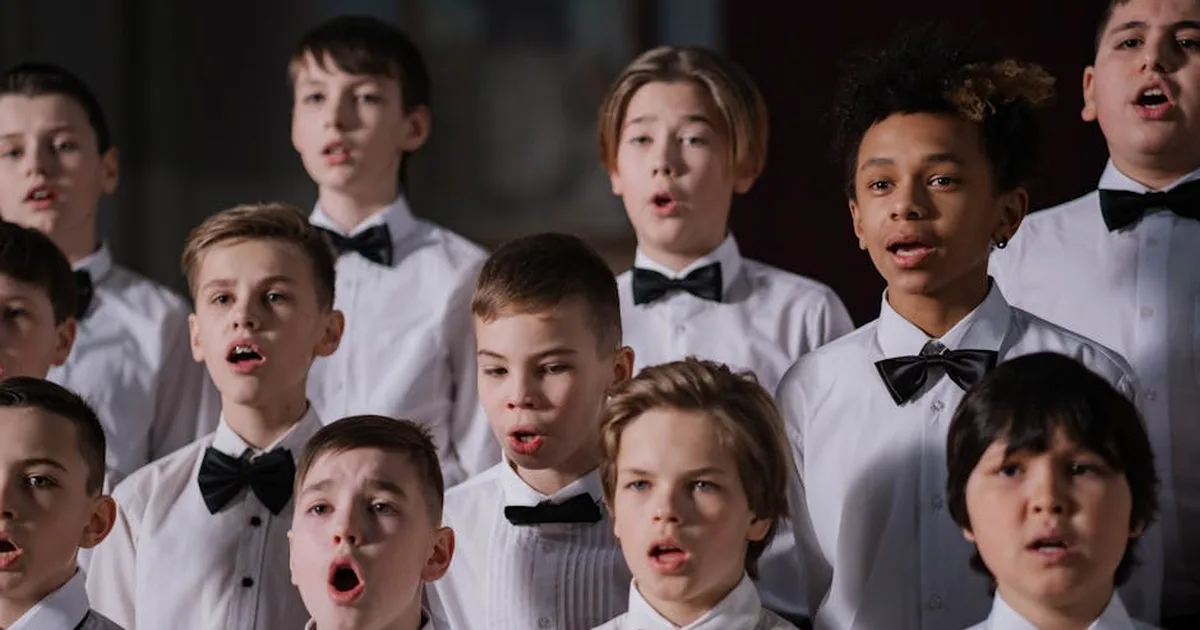
As Christians, we understand that music is more than an art form—it is a gift from God that nurtures the soul, builds community, and glorifies our Creator. When schools cut music programs, they not only deprive students of creative outlets but also limit opportunities for spiritual and emotional growth. The Bible reminds us in Psalm 100:1-2 (ESV): “Make a joyful noise to the Lord, all the earth! Serve the Lord with gladness! Come into his presence with singing.”
This article explores why supporting music education in state schools is a matter of faith, how churches can partner with local schools, and what the Bible says about the role of music in our lives.
The Current State of Music Education in Public Schools
In many countries, music programs in state-funded schools face significant challenges. Budget cuts, standardized testing pressures, and a focus on STEM subjects have led to reduced hours for arts education. A report from the Choir Schools Association highlights that only a fraction of state school students have access to regular choral singing, compared to their peers in private or faith-based schools.
This disparity is concerning for Christians who value the communal and spiritual aspects of music. When children miss out on learning to sing together, they lose a powerful tool for expressing joy, grief, and hope. The church has long been a place where people of all ages raise their voices in song, and this tradition should be accessible to everyone, regardless of their school background.
As followers of Christ, we are called to advocate for the flourishing of all children. Proverbs 22:6 (NIV) instructs: “Start children off on the way they should go, and even when they are old they will not turn from it.” Music education is one way to start children on a path of creativity, discipline, and community.
Why Choral Singing Matters for Young People
Choral singing offers unique benefits that go beyond musical skill. When children sing together, they learn teamwork, listening, and empathy. They experience the joy of creating something beautiful as a group, which mirrors the unity of the body of Christ described in 1 Corinthians 12:12-27.
Research shows that singing in a choir reduces stress, improves mental health, and fosters a sense of belonging. For Christian students, choir can be a natural bridge to participating in church worship. Many young people first encounter sacred music through school choirs, which can spark a lifelong love for hymns and spiritual songs.
Yet, without adequate support, these opportunities remain out of reach for many. Schools need resources—trained teachers, instruments, and time in the curriculum—to offer robust music programs. As Christians, we can pray, volunteer, and advocate for change.
Biblical Foundations for Music in Education
The Bible is filled with examples of music used for teaching, worship, and community building. In the Old Testament, the Levites were appointed as musicians in the temple (1 Chronicles 25). Music was integral to Israelite worship and education. The Psalms, often set to music, were used to teach God’s law and history.
In the New Testament, Paul encourages believers to “teach and admonish one another with all wisdom through psalms, hymns, and songs from the Spirit” (Colossians 3:16, NIV). This verse highlights that music is not just for performance but for mutual edification and instruction.
When schools provide music education, they are, in a sense, continuing this biblical tradition. They equip students with a means to praise God and to connect with others on a deeper level. As the body of Christ, we should support these efforts, recognizing that music can open hearts to the gospel.
How Churches Can Partner with Local Schools
Churches have a unique opportunity to fill the gaps in music education. Many congregations have experienced musicians, choir directors, and facilities that could benefit local schools. Here are practical ways to get involved:
- Volunteer music teachers: Offer to lead a choir or teach basic music theory at a nearby school.
- Share resources: Let schools use church space for rehearsals or concerts, especially if school facilities are limited.
- Sponsor programs: Donate funds or instruments to support school music departments.
- Host events: Organize joint concerts where school choirs and church choirs perform together, building community and showcasing talent.
These partnerships not only enrich students’ lives but also build bridges between the church and the wider community. Jesus calls us to be salt and light (Matthew 5:13-16), and supporting music education is a tangible way to serve our neighbors.
Practical Steps for Advocating Music Education
If you are passionate about music education, you can make a difference. Start by learning about the current state of music programs in your local schools. Attend school board meetings, talk to teachers, and express your support for the arts.
Write to your elected representatives, urging them to prioritize funding for music and arts education. Share your faith perspective—how music nurtures the whole child, including their spiritual development. Use social media to raise awareness and connect with other advocates.
Pray for schools, teachers, and students. Ask God to raise up leaders who will champion music education. Remember that our efforts, however small, can have eternal significance. As it says in Ecclesiastes 3:11 (NIV): “He has made everything beautiful in its time.”
Reflection and Application
Consider your own experience with music. How has singing or playing an instrument shaped your faith? Perhaps you remember a choir teacher who encouraged you, or a hymn that spoke to your soul. Now, think about the children in your community. Do they have the same opportunities?
This week, take one concrete step: volunteer at a school, donate to a music program, or simply pray for music educators. By doing so, you are investing in the next generation and honoring the God who gave us the gift of song.
“Sing to the Lord a new song; sing to the Lord, all the earth.” — Psalm 96:1 (NIV)



Comentarios