
Music has always been a central part of Christian worship, from the psalms of ancient Israel to the hymns of the Reformation and the contemporary songs of today. But beyond its role in Sunday services, singing together in community—whether in a church choir, a small group, or a school—holds a unique power to unite hearts and minds. It is a practice that nurtures faith, builds relationships, and shapes the next generation.
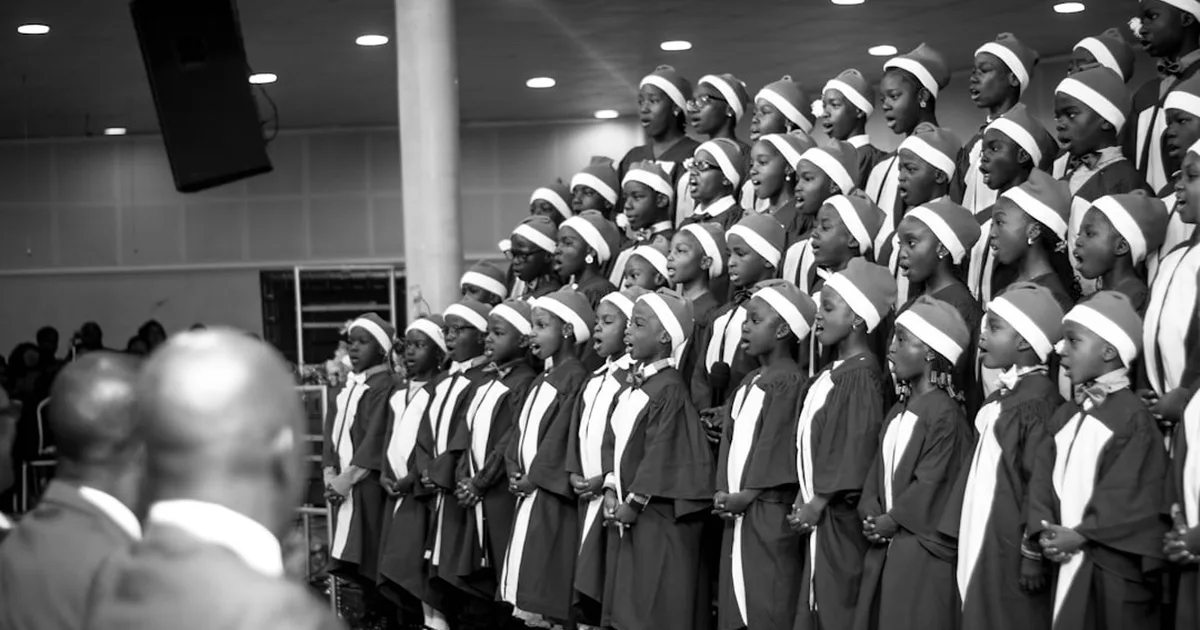
When we sing together, something remarkable happens. Our individual voices blend into a single sound, and our focus shifts from ourselves to the collective. This act of corporate praise is not just a tradition; it is a biblical mandate. The Apostle Paul encouraged the early church to “address one another in psalms and hymns and spiritual songs, singing and making melody to the Lord with your heart” (Ephesians 5:19, ESV). Singing is both an offering to God and a gift to one another.
Yet in recent years, opportunities for communal singing have declined, especially in schools and public life. Many children grow up without the experience of singing together regularly. This loss is more than cultural—it is spiritual. As Christians, we have a responsibility to restore and celebrate the gift of singing in our communities.
Why Singing Matters for Children and Youth
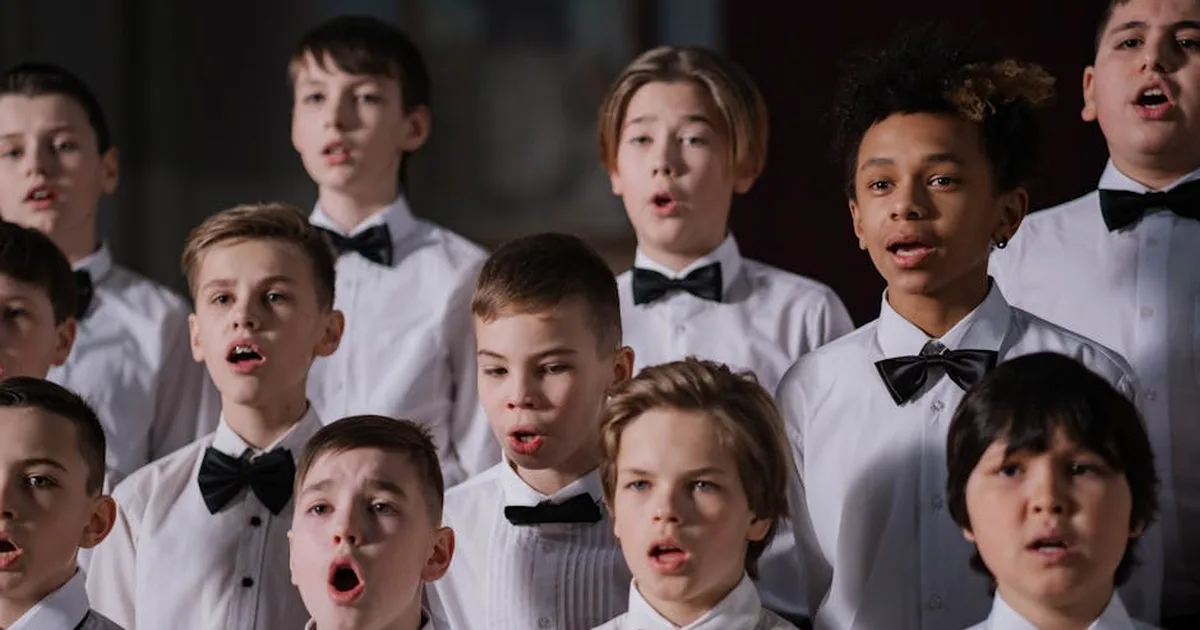
Children are natural singers. They hum, chant, and make up melodies without inhibition. But as they grow older, many lose that freedom. They may be told they can’t carry a tune, or they may feel self-conscious. This is why providing structured opportunities for singing—in schools, churches, and families—is so important.
Building Confidence and Expression
Singing helps children develop confidence in their own voices. When a child learns to sing a hymn or a worship song, they are not just learning notes and rhythms; they are learning to express joy, sorrow, hope, and faith. The Psalms are full of such expressions: “Sing to him a new song; play skillfully on the strings, with loud shouts” (Psalm 33:3, ESV). Singing gives children a healthy outlet for emotions and a way to connect with God.
Fostering Community and Belonging
Group singing creates a sense of belonging. When a school choir or a children’s church group sings together, they become a community. They learn to listen to each other, to harmonize, and to work toward a common goal. This is a powerful metaphor for the body of Christ: “For just as the body is one and has many members, and all the members of the body, though many, are one body, so it is with Christ” (1 Corinthians 12:12, ESV). Singing together teaches unity in diversity.
Passing on the Faith
Many of us remember the songs we learned as children. They stay with us for a lifetime. Singing is one of the most effective ways to pass on the truths of the faith. When children sing “Jesus Loves Me” or “Amazing Grace,” they are internalizing core Christian beliefs. The lyrics become part of their memory and their identity. This is why the church has always used music as a tool for discipleship.
The Decline of Singing in Schools and Society
In many parts of the world, school music programs have been cut or reduced. Singing is no longer a daily part of classroom life. This is a loss not only for music education but for the formation of character and community. Without singing, children miss out on a vital way to process emotions and connect with others.
As Christians, we can advocate for the restoration of singing in schools, not in a sectarian way, but as a universal human good. We can also ensure that our churches prioritize singing for all ages, not just for adults. A church that sings well together is a church that is alive and growing.
Practical Ways to Encourage Singing in Your Community
Whether you are a parent, a teacher, or a church leader, there are many ways to foster a culture of singing.
- Start a children’s choir: Even a small group of kids can learn simple songs and perform for the congregation. The goal is not perfection but participation.
- Use songs in family devotions: Sing a hymn or a worship song together at home. This reinforces what children learn at church and makes faith a natural part of daily life.
- Encourage intergenerational singing: Invite older members of the church to sing with the youth. This builds bridges and passes on traditions.
- Teach the meaning of songs: Don’t just sing the words—explain them. Help children understand what they are singing about, so the songs become prayers from the heart.
The Bible is filled with calls to sing. “Make a joyful noise to the Lord, all the earth! Serve the Lord with gladness! Come into his presence with singing!” (Psalm 100:1-2, ESV). This joyful noise is not just for professional musicians; it is for everyone. It is for the child who can barely carry a tune and the elder whose voice cracks with age. God delights in our songs because they come from hearts that love Him.
A Reflection for the Reader
Think back to your own childhood. Do you remember a song you learned at church or school? How did it make you feel? Perhaps it was a song of comfort during a difficult time, or a song of joy that you still hum today. That is the power of singing. It stays with us.
Now consider the children in your life. Are they being given the gift of singing? Are they learning to lift their voices in praise and in community? If not, what can you do to change that? It might be as simple as singing with them at home, or as ambitious as starting a choir at church. Whatever you do, know that you are planting seeds that will bear fruit for years to come.
Let us not neglect this precious gift. Let us sing together, old and young, and let our songs rise as a sweet aroma to the Lord.



Comentarios