
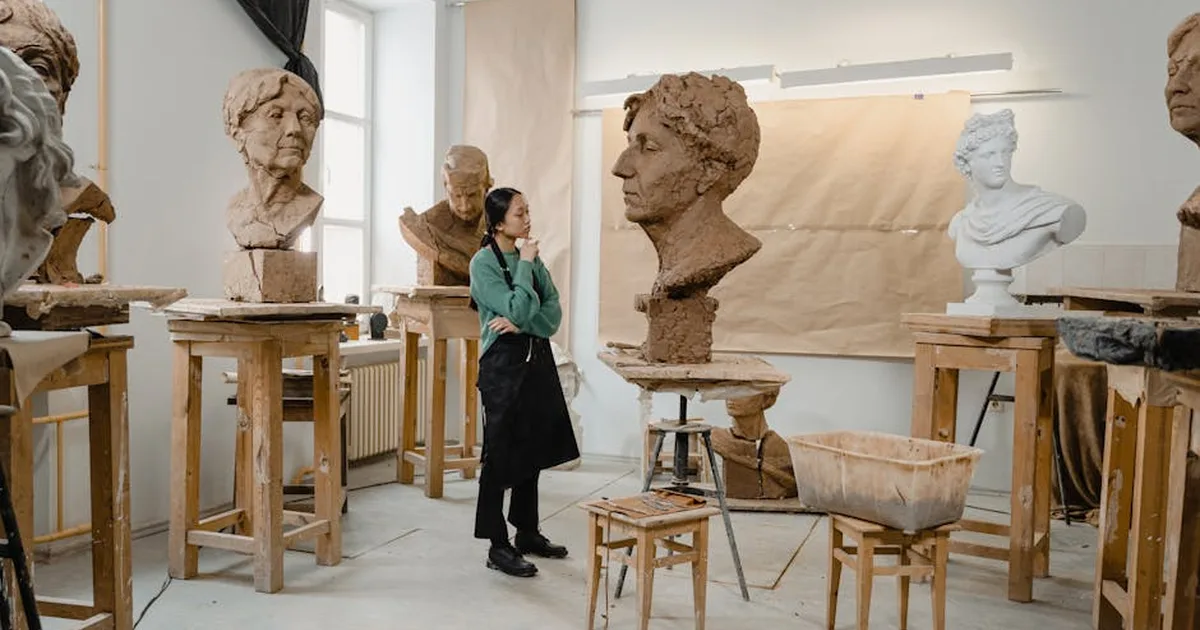
In the quiet studio of an artist, something beautiful unfolds as clay and metal begin to take shape. The sculptor works with careful attention, listening to recordings of worship services while shaping the emerging form. This isn't merely about capturing physical likeness—it's about honoring a spiritual journey through creative expression. For Christians, this process reflects a deeper truth about how we honor those who shepherd our faith communities.
The Biblical Foundation of Honoring Leadership
Scripture offers guidance about how we should regard those who lead us in faith. The apostle Paul writes to the Thessalonians:
"Now we ask you, brothers and sisters, to acknowledge those who work hard among you, who care for you in the Lord and who admonish you. Hold them in the highest regard in love because of their work." (1 Thessalonians 5:12-13, NIV)This instruction reminds us that honoring spiritual leaders isn't about personality worship, but about recognizing the sacred work they do in nurturing our relationship with God.
Throughout Christian history, various traditions have found meaningful ways to honor faithful leadership. Some communities create written tributes, others establish scholarships or ministries in a leader's name, and some—like the sculptor in our story—choose artistic expression. Each method reflects the same biblical principle: showing appreciation for those who have faithfully served God's people.
Art as Spiritual Reflection
When an artist listens to sermons while working, they're engaging in more than technical craftsmanship. They're seeking to understand the heart behind the ministry. This approach mirrors how Christians might reflect on spiritual leadership in their own lives. Just as the sculptor studies recordings to capture character, we might reflect on how a pastor's teachings have shaped our faith journey.
The creative process itself can teach us about spiritual growth. Like clay in the potter's hands, we are shaped by God's guidance and the influence of faithful leaders. Jeremiah describes this relationship beautifully:
"Like clay in the hand of the potter, so are you in my hand, Israel." (Jeremiah 18:6, NIV)Both the artist and the Christian recognize that meaningful transformation requires patient, attentive work.
Modern Expressions of Ancient Traditions
Honoring spiritual leadership through art connects us to centuries of Christian tradition. From early catacomb paintings to stained glass windows, visual arts have long helped communities remember and celebrate faithful witnesses. Today, this might take different forms—digital art, photography, music, or sculpture—but the purpose remains: to acknowledge God's work through particular individuals.
What makes such tributes meaningful isn't their medium or scale, but their heart. A simple drawing by a child in Sunday school honoring their teacher carries the same spiritual significance as more elaborate works. The common thread is gratitude expressed through creativity.
Beyond Bronze: Everyday Ways to Honor Spiritual Leaders
While not everyone creates sculptures, every Christian can participate in honoring those who guide their faith journey. Consider these practical approaches:
- Prayerful appreciation: Regularly include spiritual leaders in your prayers, thanking God for their ministry
- Encouraging words: Write a heartfelt note sharing how a particular sermon or pastoral care moment impacted you
- Practical support: Offer assistance with ministry needs or simply ask how you can help lighten their load
- Faithful participation: Engage actively in church life, applying teachings to your daily walk
- Generational sharing: Tell younger Christians about leaders who have influenced your faith journey
These actions create a living tribute that honors both the leader and the God they serve.
A Community Reflection
When we honor spiritual leaders, we're also honoring the community they serve. Every pastor, bishop, or ministry leader exists within a network of relationships—the congregation, the wider Church, and the communities they impact. Our appreciation recognizes this interconnected body of Christ.
Paul describes this beautifully in his letter to the Ephesians:
"From him the whole body, joined and held together by every supporting ligament, grows and builds itself up in love, as each part does its work." (Ephesians 4:16, NIV)Honoring leaders strengthens these connections, reminding us that we're all part of something greater than ourselves.
Application: Creating Your Own Tribute
This week, consider how you might honor the spiritual leaders in your life. You don't need artistic training or special materials—just a willing heart. Here are some starting points:
- Reflect on a specific way a spiritual leader has helped your faith grow
- Choose a method of expression that feels authentic to you—writing, art, conversation, or action
- Focus on the spiritual impact rather than personal praise
- Connect your tribute to God's work through their ministry
- Share your appreciation in a way that encourages both the leader and your faith community
Remember the writer of Hebrews' encouragement:
"Have confidence in your leaders and submit to their authority, because they keep watch over you as those who must give an account. Do this so that their work will be a joy, not a burden, for that would be of no benefit to you." (Hebrews 13:17, NIV)Our thoughtful appreciation can indeed make their work a joy.
As we consider the artist carefully shaping bronze to honor spiritual leadership, we're reminded that our own expressions of gratitude—however simple—can be beautiful offerings. They strengthen our faith communities, encourage those who serve, and ultimately glorify God, who works through all of us to build His kingdom.



Comments