
For centuries, Christian houses of worship have risen in the landscape with a particular orientation. This architectural decision is by no means accidental but carries deep spiritual and symbolic meaning. The traditional eastward orientation of sanctuaries has its roots in early Christian tradition and biblical symbolism.
Biblical Foundations of Orientation
Holy Scripture offers numerous references to the significance of cardinal directions. In the book of Genesis, we read about the expulsion from the Garden of Eden: "So he drove out the man; and he placed at the east of the garden of Eden Cherubims, and a flaming sword which turned every way, to keep the way of the tree of life" (Genesis 3:24 KJV). This eastern positioning marks both loss and hope.
The prophet Ezekiel describes God's glory coming from the east: "And, behold, the glory of the God of Israel came from the way of the east: and his voice was like a noise of many waters: and the earth shined with his glory" (Ezekiel 43:2 KJV). This prophetic vision emphasizes the eastern direction as a place of divine revelation.
Historical Development of Church Orientation
The early Christians developed the practice of eastward orientation for several theological reasons. On one hand, they expected Christ's second coming, which they believed would occur in the east, as stated in Matthew's Gospel: "For as the lightning cometh out of the east, and shineth even unto the west; so shall also the coming of the Son of man be" (Matthew 24:27 KJV).
On the other hand, eastward orientation symbolized the spiritual journey of believers:
- From the darkness of the west (symbol of sin and death)
- Toward the light of the east (symbol of Christ and resurrection)
- According to Jesus' words: "I am the light of the world: he that followeth me shall not walk in darkness, but shall have the light of life" (John 8:12 KJV)
Architectural Implementation and Symbolism
The practical application of this symbolism manifests in various architectural elements:
- The altar as spiritual center is oriented toward the east
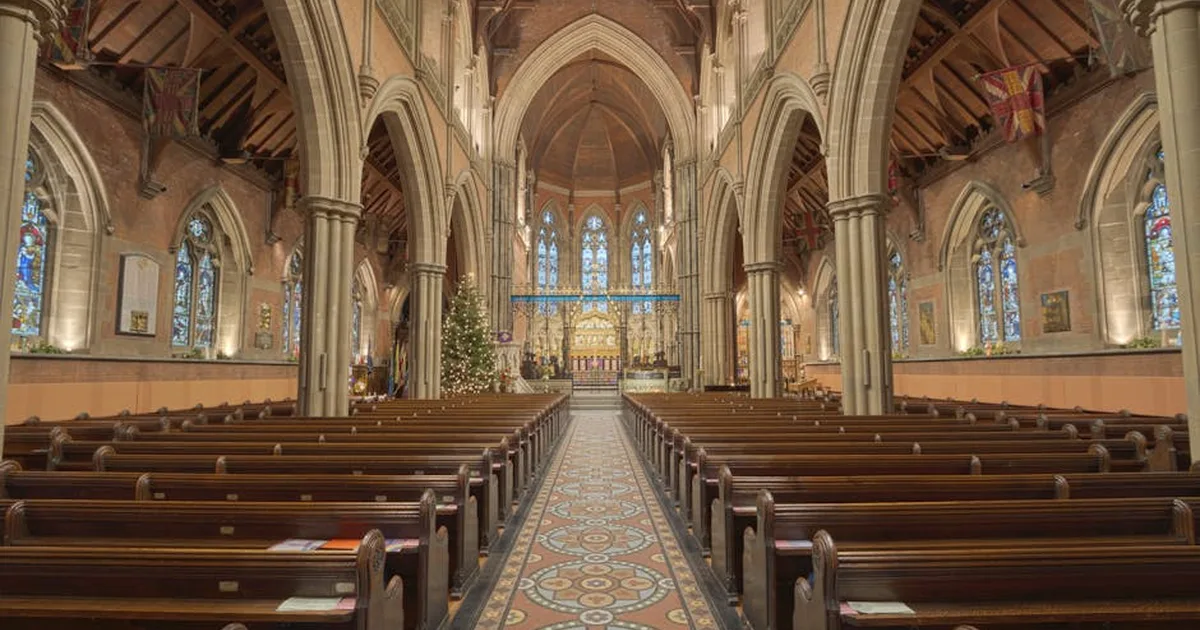
- The church nave symbolically leads the congregation from the western entrance to the eastern altar
- Eastern windows capture morning light that symbolizes resurrection
This design recalls the psalmist's words: "From the rising of the sun unto the going down of the same the Lord's name is to be praised" (Psalm 113:3 KJV).
Theological Significance in Modern Times
In our modern world, where churches are often built for practical reasons, traditional orientation remains an important spiritual reminder. It connects us with worldwide Christianity of all denominations and with the long tradition of faith.
The current ecumenical movement, as promoted by EncuentraIglesias.com, reminds us that despite different traditions, all Christians look to the same Lord. In this respect, eastward orientation serves as a silent reminder of unity in faith.
"For we walk by faith, not by sight" (2 Corinthians 5:7 KJV)
Practical Application for Personal Faith
The symbolism of church orientation can also enrich our personal faith life. When we enter a church, we can become aware that:
- Eastward orientation reminds us of hope in Christ's second coming
- The path to the altar symbolizes our spiritual journey to God
- The incoming light embodies the presence of the Holy Spirit
This conscious awareness can deepen our worship experience and strengthen our connection with the community of believers through the centuries. In times of change, such as the recent passing of Pope Francis in April 2025 and the election of Pope Leo XIV in May 2025, these architectural traditions remind us of the continuity of our faith.




Comments