
Every year during Pentecost, tens of thousands of Christians lace up their walking shoes and set out on a 60-mile journey from Paris to the Cathedral of Chartres. What began in 1983 as a modest gathering has blossomed into one of the most visible expressions of Catholic traditionalism in Europe. In 2026, organizers expect around 20,000 pilgrims to participate, a record number that speaks to the enduring appeal of this physical and spiritual pilgrimage.
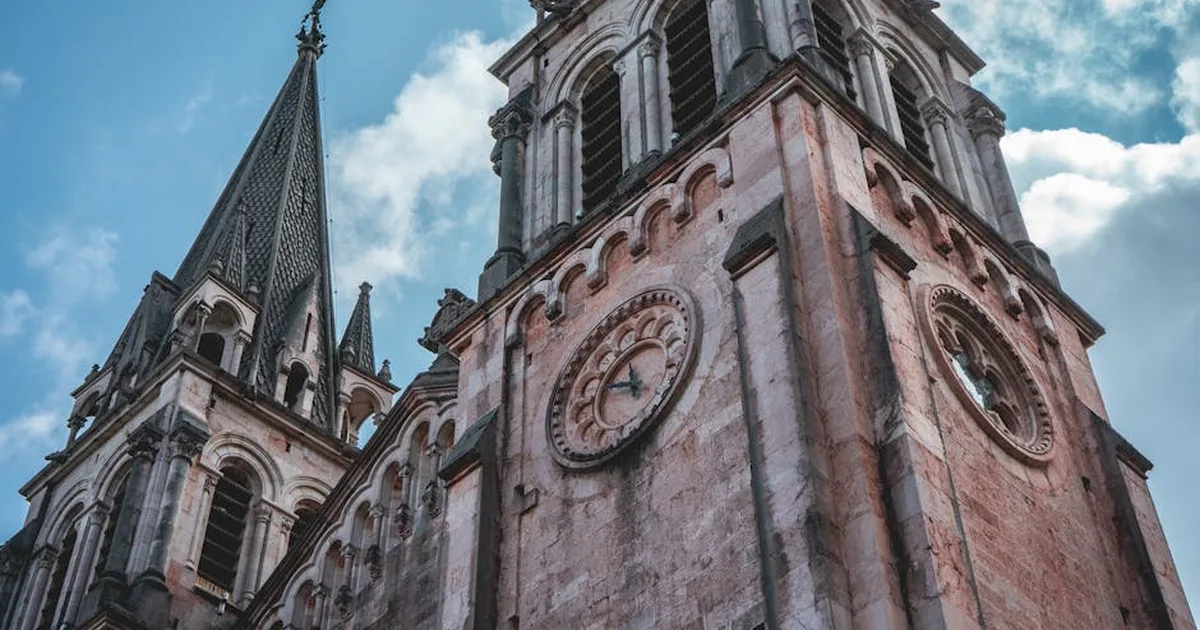
The walk is not merely a physical challenge; it is a profound act of devotion. Pilgrims pray, sing, and reflect as they traverse the French countryside, following a route that has been walked for centuries. The theme for this year's pilgrimage is "the mission," reminding participants that their journey is not just about personal renewal but about carrying the light of Christ into the world.
Rooted in the Traditional Latin Mass
The Chartres pilgrimage is closely associated with the celebration of the Traditional Latin Mass, the form of the Roman Rite that was largely replaced by the Novus Ordo after the Second Vatican Council. Priests and religious from institutes dedicated to the older form lead the pilgrimage, and the liturgies along the way are celebrated in Latin. For many participants, this connection to the Church's ancient liturgical heritage is a source of deep spiritual nourishment.
Yet the pilgrimage also exists within a broader context of tension. Since Pope Francis's 2021 motu proprio Traditionis custodes, which restricted the use of the Traditional Latin Mass, some traditionalist communities have felt marginalized. The organizers of the Chartres pilgrimage have consistently urged participants to remain in full communion with the Catholic Church and to avoid any hint of schism. In a statement ahead of the 2026 walk, they warned against "renewed divisions" and called for unity under the leadership of Pope León XIV.
A Call for Unity Amid Challenges
The death of Pope Francis in April 2025 and the election of Pope León XIV have brought both continuity and change. The new pope has signaled a pastoral approach, seeking to heal wounds while upholding the Church's discipline. For the Chartres pilgrims, this is a moment to reaffirm their loyalty to the See of Peter. The organizers have emphasized that the pilgrimage is not a protest but a witness—a joyful proclamation of faith that transcends liturgical preferences.
The apostle Paul's words in Ephesians 4:3-6 resonate deeply:
"Make every effort to keep the unity of the Spirit through the bond of peace. There is one body and one Spirit, just as you were called to one hope when you were called; one Lord, one faith, one baptism; one God and Father of all, who is over all and through all and in all." (NIV)
This call to unity is especially poignant given the history of the Society of St. Pius X (SSPX), a traditionalist group that broke with Rome in 1988. While the SSPX has its own separate pilgrimage to Chartres, the main event is organized by the Notre-Dame de Chrétienté association, which remains in full communion with the Vatican. The distinction matters: the pilgrimage is meant to build bridges, not walls.
The Spiritual Significance of the Journey
Pilgrimage is a biblical concept, woven into the story of God's people. Abraham left his homeland in faith (Genesis 12:1-4). The Israelites journeyed through the wilderness toward the Promised Land. Jesus himself walked the roads of Galilee and Judea, ultimately setting his face toward Jerusalem. For Christians, every pilgrimage is an echo of that ultimate journey—a movement toward the cross and the empty tomb.
The Chartres pilgrimage is no exception. Over three days, participants walk, pray, and share meals together. They sleep in tents or on church floors. They carry their own belongings and endure blisters, rain, and fatigue. In these hardships, many find a deeper connection to Christ's suffering and a renewed sense of community. As one pilgrim put it, "You discover that you are not alone. The Church is not an idea; it is a people walking together."
A Witness to the World
The pilgrimage also has a public dimension. As the column of walkers passes through towns and villages, it is a visible sign of faith in a secularizing society. Motorists honk in support; curious onlookers stop to ask questions. For many pilgrims, these encounters are opportunities to share the Gospel in word and deed. The theme of "mission" takes on concrete form as they engage with the world around them.
Jesus' Great Commission in Matthew 28:19-20 is the foundation:
"Therefore go and make disciples of all nations, baptizing them in the name of the Father and of the Son and of the Holy Spirit, and teaching them to obey everything I have commanded you. And surely I am with you always, to the very end of the age." (NIV)
Navigating Differences with Grace
Not everyone in the Catholic Church agrees on the value of the Traditional Latin Mass. Some see it as a treasure to be preserved; others view it as a barrier to the full participation of the faithful. The Chartres pilgrimage, by its very existence, is part of this ongoing conversation. Yet the organizers have consistently stressed that the pilgrimage is not about division but about encounter—with God, with one another, and with the broader Church.
In a time when many Christians feel pulled apart by differing views on worship, theology, and culture, the pilgrimage offers a model of unity in diversity. Participants come from different countries, generations, and backgrounds. They pray in Latin and in their native tongues. They share a common goal: to honor God and to grow in holiness. As the psalmist writes,
"How good and pleasant it is when God's people live together in unity!" (Psalm 133:1, NIV)
Practical Reflection for Readers
Whether or not you ever walk to Chartres, the spirit of pilgrimage is available to every Christian. You can make your daily commute a time of prayer. You can set aside a weekend for a retreat. You can simply take a walk in nature and invite God to speak to your heart. The key is intentionality—choosing to step out of routine and into God's presence.
Consider this question: What is one step you can take this week to draw closer to Christ? It might be attending a service you've never tried, reading a Gospel passage each morning, or reaching out to a fellow believer who disagrees with you on a church issue. The journey of faith is not about arriving at a perfect destination but about walking faithfully with the One who is the Way.


Comentarios