
In many Christian traditions, worship is often associated with words—prayers spoken, hymns sung, sermons preached. Yet there is another form of praise that predates written Scripture and transcends language: the movement of the body. From the ancient psalms that call us to clap our hands and shout to God, to the quiet raising of hands in a contemporary service, physical expression has always been part of how we respond to the divine.
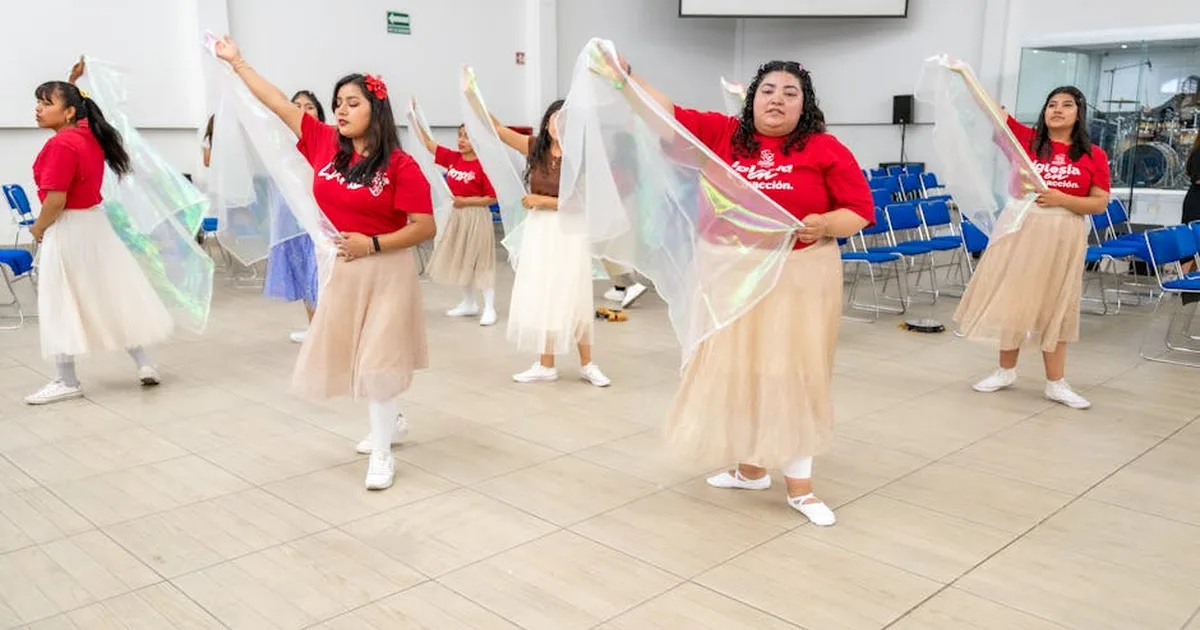
For some, dancing in worship feels natural, even necessary. For others, it may feel unfamiliar or even uncomfortable. But throughout the Bible, we see examples of God's people using their whole selves to honor Him. The Psalms repeatedly invite us to praise God with dance and musical instruments. In the New Testament, joy is described as something that overflows from the heart into visible action.
When we consider worship as a holistic act—engaging mind, spirit, and body—we open ourselves to a deeper encounter with God. Our bodies are not separate from our faith; they are temples of the Holy Spirit, meant to glorify God in every way.
Biblical Foundations for Dance
The most famous example of dance in Scripture is King David. When the Ark of the Covenant was brought back to Jerusalem, David danced before the Lord with all his might, wearing only a linen ephod. His wife Michal criticized him for what she saw as undignified behavior, but David replied, “I will celebrate before the Lord” (2 Samuel 6:21). His joy was uncontainable, and his worship was unashamed.
Psalm 149:3 says, “Let them praise his name with dancing, making melody to him with tambourine and lyre!” Psalm 150:4 echoes, “Praise him with tambourine and dance; praise him with strings and pipe!” These verses show that dance is not an afterthought in worship but a commanded expression of praise.
In the New Testament, while there are fewer explicit references to dance, the early church's worship was marked by exuberance. The book of Acts describes believers praising God with glad and generous hearts. The apostle Paul encourages believers to offer their bodies as a living sacrifice, holy and pleasing to God (Romans 12:1). This includes how we move, stand, and even dance.
Dance as a Form of Testimony
For many believers, dance becomes a way to tell their story. Words can fail, but movement can convey gratitude, deliverance, and hope. In churches with strong African American heritage, praise dancing often carries deep meaning. Movements are not choreographed for performance but flow from a heart overwhelmed by God's goodness.
When someone dances in worship, they are saying with their body what they cannot fully express with words: “God has been good to me. He has saved me, healed me, and given me joy.” This kind of testimony is powerful because it is authentic and vulnerable. It invites others to share in that joy and to reflect on their own experiences of God's grace.
The church becomes a safe space where people can let go of inhibitions and express their love for God freely. In that moment, the focus is not on who is watching but on the One who is worthy of all praise.
Cultural and Historical Roots
While dance in worship is biblical, its expressions vary across cultures. In many African traditions, dance has always been central to community and spirituality. During the transatlantic slave trade, enslaved Africans brought their traditions to the Americas, where they were adapted and merged with Christian faith. The ring shout, a counterclockwise dance accompanied by singing and clapping, became a way for enslaved people to worship despite oppression.
This history reminds us that dance in worship is not just a personal expression but also a communal act of resistance and hope. It declares that joy can exist even in suffering, and that God's presence is not bound by human circumstances. Today, many churches continue to incorporate dance as a vital part of their worship, honoring both biblical precedent and cultural heritage.
Practical Ways to Incorporate Dance in Worship
If your church is open to including dance, there are many ways to do so thoughtfully. Some churches have a praise dance ministry that prepares choreographed pieces for special services. Others encourage spontaneous movement during worship songs, creating space for the Holy Spirit to move. Even simple actions like raising hands, swaying, or clapping can be forms of dance.
For individuals who feel drawn to dance in their personal worship, consider setting aside time to worship with music at home. Let your body respond naturally to the music. You might find that dancing helps you connect with God in a new way, releasing stress and focusing your heart on Him.
“Let them praise his name with dancing, making melody to him with tambourine and lyre!” — Psalm 149:3 (ESV)
A Reflection for the Reader
Have you ever felt the urge to move when worshiping? Perhaps you've seen others dance and wondered what that experience is like. God created us as whole beings—body, soul, and spirit. Worship that engages all of these can be deeply fulfilling. This week, consider stepping out of your comfort zone. Whether it's raising your hands a little higher or taking a simple step of faith, let your body join your voice in praising the One who gave you life.
If dance feels foreign, start small. Listen to a worship song and allow your heart to respond. You might be surprised at the freedom that comes when you let go of self-consciousness and focus entirely on God. After all, worship is not about how we look but about the sincerity of our hearts.




Comentarios