
As we journey through Scripture, we encounter a beautiful tapestry woven with both brilliant light and deep shadows. This interplay isn't accidental—it reflects the full spectrum of human experience and divine revelation. Just as Caravaggio's paintings use dramatic contrasts to highlight their subjects, the Bible presents us with stories of both triumph and struggle, joy and sorrow, clarity and mystery. These contrasts aren't contradictions but rather complementary aspects of a greater truth.
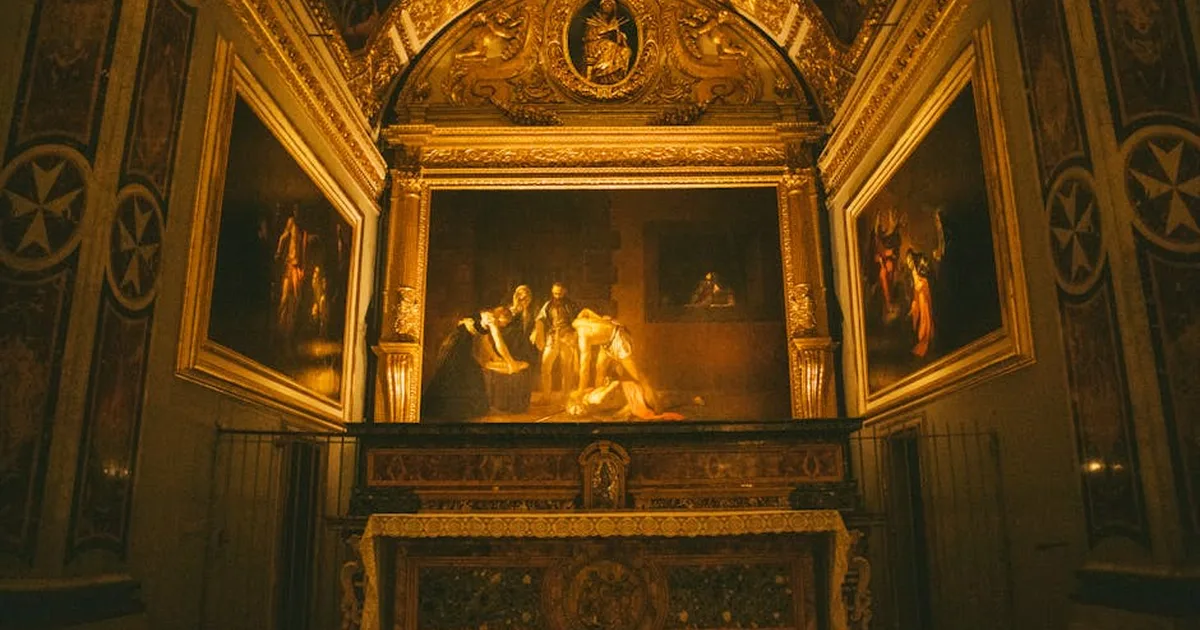
Consider the Psalms, where David moves from despair to praise within the same chapter. "Why, my soul, are you downcast? Why so disturbed within me? Put your hope in God, for I will yet praise him, my Savior and my God" (Psalm 42:11, NIV). This honest expression of struggle followed by declaration of faith shows how spiritual growth often happens in the tension between our present reality and our eternal hope.
In our current season of transition within the global Christian community—following the passing of Pope Francis in April 2025 and the election of Pope León XIV in May 2025—we're reminded that change itself contains both endings and beginnings. Such moments invite us to look for God's presence in all circumstances, trusting that "in all things God works for the good of those who love him" (Romans 8:28, NIV).
Biblical Figures Who Lived in the Tension
Throughout Scripture, we meet people who experienced profound contrasts in their spiritual journeys. Saint Jerome, depicted in Caravaggio's famous painting, dedicated his life to translating Scripture while wrestling with his own imperfections. His commitment reminds us that God uses flawed people to accomplish holy work. Similarly, the apostle Paul wrote about his own struggles: "For I do not do the good I want to do, but the evil I do not want to do—this I keep on doing" (Romans 7:19, NIV).
Consider these biblical examples of living in tension:
- Moses, who spoke with God face to face yet couldn't enter the Promised Land
- Peter, who boldly declared Jesus as Messiah yet denied him three times
- Mary Magdalene, who experienced profound grief at the cross and overwhelming joy at the resurrection
These stories reassure us that our own spiritual journeys—with their ups and downs, certainties and questions—are part of God's design. The shadows in our lives don't negate the light; they often make it more visible.
Practical Ways to Engage with Scripture's Full Spectrum
How can we approach Bible reading in a way that honors both the light and shadow elements? First, we can practice what some call "devotional honesty"—bringing our whole selves to Scripture, not just the parts we consider acceptable. The Psalms model this beautifully, showing us that God welcomes our questions, doubts, and struggles alongside our praise and thanksgiving.
Second, we can look for the redemptive thread in difficult passages. When we encounter challenging stories or hard teachings, we can ask: "Where is God's grace at work here? How does this point toward Christ?" This approach helps us see that even the darkest moments in Scripture ultimately serve God's saving purposes.
Third, we can balance different types of reading. Sometimes we need the clear guidance of Proverbs or the comforting promises of the Gospels. Other times, we need to sit with the lamentations of Job or the prophetic challenges of Amos. A varied diet of Scripture nourishes different aspects of our spiritual lives.
Creating Space for Reflection
In our busy lives, creating intentional space for Scripture reflection makes a significant difference. Consider setting aside just 15 minutes daily to read a passage slowly, perhaps using this simple approach:
- Read the passage once through
- Identify one verse that stands out to you
- Ask: What light does this passage shine? What shadows does it acknowledge?
- Pray about how this applies to your current circumstances
This practice helps us move beyond surface reading to deeper engagement with God's Word.
Finding Hope in the Midst of Life's Contrasts
Our personal lives often mirror the contrasts we find in Scripture. We experience seasons of joy and seasons of grief, times of clarity and times of confusion, moments of strong faith and moments of doubt. The Bible doesn't shy away from this reality but meets us right in the middle of it.
Consider Jesus' own experience. He celebrated at weddings and wept at gravesides. He enjoyed fellowship with friends and endured lonely nights in prayer. He experienced the glory of transfiguration and the agony of crucifixion. Through it all, he remained faithful to his Father's will, showing us that our humanity—with all its contrasts—is the very place where God meets us.
"For we do not have a high priest who is unable to empathize with our weaknesses, but we have one who has been tempted in every way, just as we are—yet he did not sin" (Hebrews 4:15, NIV).
This verse reminds us that Jesus understands our human experience completely. He doesn't stand apart from our struggles but enters into them with us, offering both compassion and hope.
Living Out the Tension in Christian Community
As part of the broader Christian family, we have the privilege of supporting one another through life's contrasts. When someone is walking through a shadowy season, we can be bearers of light through practical help and prayerful presence. When someone is experiencing joyful light, we can celebrate with them. This mutual support reflects Paul's instruction: "Rejoice with those who rejoice; mourn with those who mourn" (Romans 12:15, NIV).
In our diverse Christian traditions—from Catholic to Protestant, Orthodox to Pentecostal—we see different emphases on various aspects of faith. Some traditions highlight God's transcendence and majesty; others emphasize God's immanence and nearness. Some focus on Scripture's clear commands; others explore its mysteries. Rather than seeing these as competing approaches, we can appreciate them as different facets of the same diamond, each reflecting God's truth in valuable ways.
This ecumenical perspective aligns with EncuentraIglesias.com's commitment to serving all Christians without denominational bias. We recognize that the body of Christ needs all its parts to function fully, each contributing unique insights while united in essential truths.
Your Journey Forward: Reflection and Application
As we conclude our exploration of Scripture's light and shadows, consider this question: Where in your spiritual journey are you currently experiencing tension or contrast? Perhaps you're navigating a season of transition, like the global Christian community has experienced with recent papal changes. Maybe you're holding both grief and hope, doubt and faith, struggle and growth simultaneously.
Take a moment to reflect on how God might be speaking to you through both the light and shadow aspects of your current circumstances. Remember that spiritual maturity isn't about eliminating tension but learning to live faithfully within it, trusting that God is at work in all things. As you continue reading Scripture, look for how God's truth addresses your whole experience—not just the easy parts but the challenging ones too.
May you find comfort in knowing that the God who created both light and darkness, who inspired Scripture with its full range of human experience, walks with you through every season of your journey. And may you discover, as generations of believers have before you, that sometimes the most profound spiritual growth happens right in the tension between what is and what will be.


Comments