
At the heart of Christian life is a community that prays and grows together. Sometimes this growth isn't just spiritual—it shows up in practical needs that require a response. Imagine a small chapel where a few families gather each Sunday to celebrate their faith. Over time, more people join, drawn by the beauty of tradition and the depth of teaching. What began as a small group soon needs more space, more opportunities to encounter God and one another.
This phenomenon isn't new in Church history. From the early Christians meeting in homes to the great cathedrals, God's people have always sought places to celebrate their faith together. The apostle Paul reminds us: "Consequently, you are no longer foreigners and strangers, but fellow citizens with God's people and also members of his household" (Ephesians 2:19, NIV). This identity as a spiritual family drives us to create spaces where that family can grow and strengthen.
When Faith Inspires Action
There are moments when need becomes an opportunity to demonstrate Christian love in action. When a place of worship becomes insufficient to welcome all the faithful, an important question arises: how do we respond to this blessing of growth? The answer often comes from the community itself—moved by the Holy Spirit—deciding to work together to overcome challenges.
Consider how a community organizes when undertaking a joint project. Some offer their practical skills, others contribute financial resources, others give time and presence. Each person, according to their abilities and circumstances, offers what they can. This collaboration reflects Peter's teaching: "Each of you should use whatever gift you have received to serve others, as faithful stewards of God's grace in its various forms" (1 Peter 4:10, NIV).
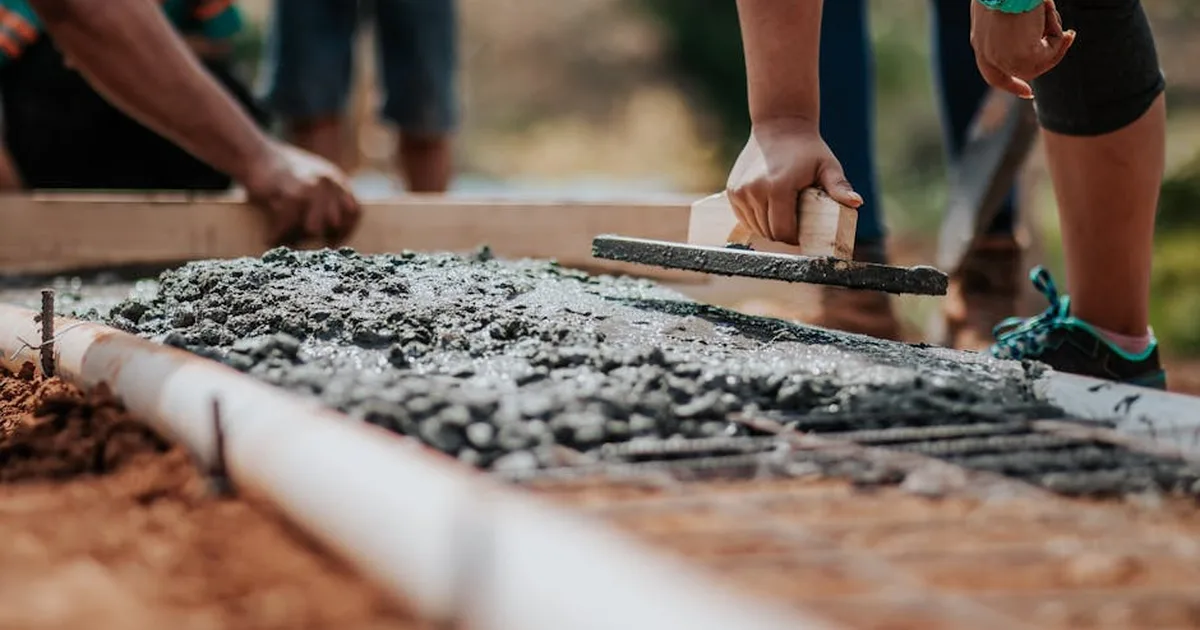
The beauty of these community processes lies in how they transform not just physical spaces but also hearts. By working together toward a common goal, bonds between believers strengthen, and faith becomes tangible in bricks, paint, and shared effort. It's not simply about constructing a building but about building up the living Church—stone upon stone—with patience and dedication.
The Power of Small Contributions
In any community project, every contribution matters. From those who can dedicate several hours daily to those who can only offer brief help, everyone forms part of the mosaic that makes the final result possible. This reality reminds us of the parable of the talents, where each servant receives according to their ability and is called to be faithful with what they have (Matthew 25:14-30).
Christian generosity manifests in many ways: time, talent, material resources, prayer. What matters isn't the size of the contribution but the heart with which it's offered. As Jesus teaches us when observing the poor widow's offering, God looks at the heart's disposition more than the amount given (Mark 12:41-44).
The Blessing of New Sacred Spaces
When a new place of worship is finally consecrated, there's a special joy that goes beyond satisfaction at completed work. It's the joy of knowing that now more people can find refuge for their spiritual lives—a place to encounter God in the Eucharist and community. Each new sacred space expresses hope for faith's future.
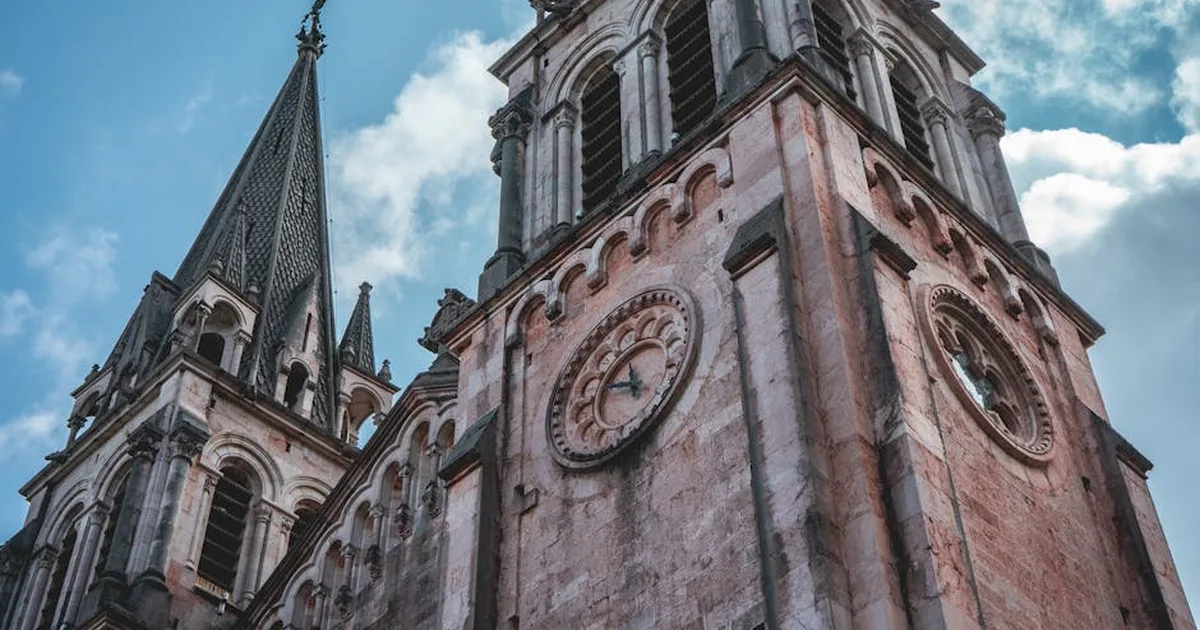
The dedication of a chapel or church isn't just an administrative or architectural act. It's a profoundly spiritual moment where God's presence is invoked to dwell in that place in a special way. We remember Solomon's words when dedicating the temple: "But will God really dwell on earth?"


Comments