
Surrender is a word that often makes us uneasy. It brings to mind images of defeat, of giving up control, of losing something precious. But in the Christian life, surrender is not about loss—it is about gaining something far greater. When we surrender to God, we are not handing over our dreams to a distant, uncaring deity. Instead, we are entrusting them to a loving Father who knows what is best for us.

The Bible tells us that God's plans for us are good, plans to give us a future and a hope (Jeremiah 29:11). Yet, we often hold back, afraid that if we give God everything, He will take away the things we love most. This fear is rooted in a misunderstanding of who God is. He is not a cosmic killjoy waiting to snatch away our happiness. Rather, He is a Father who longs to give us good gifts (Matthew 7:11).
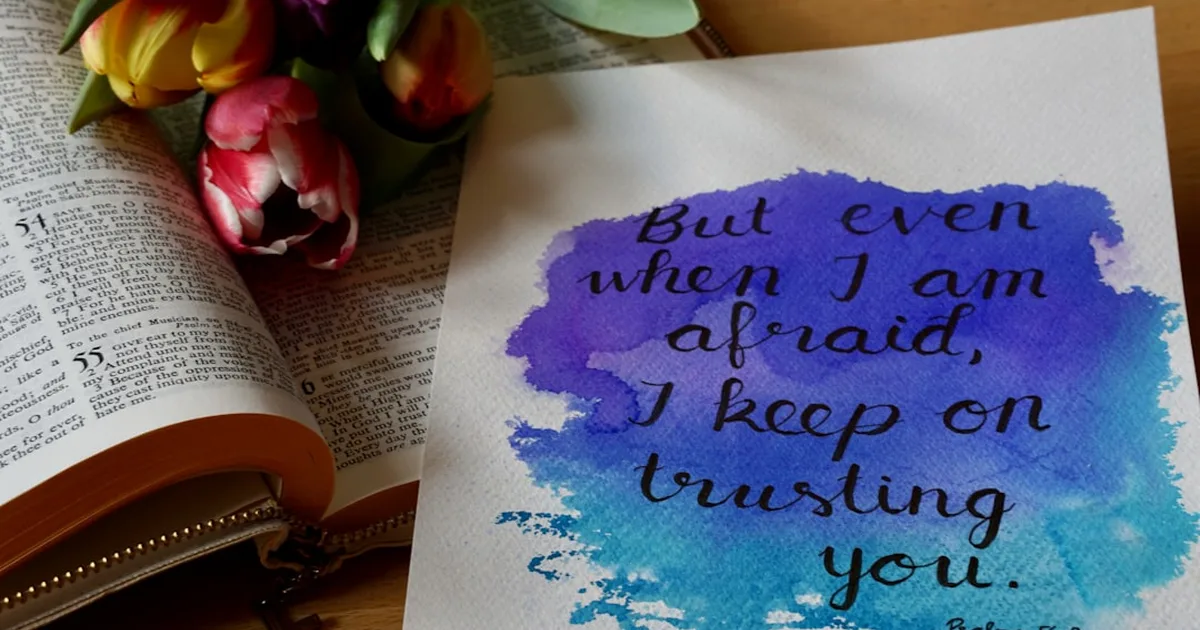
True surrender begins when we recognize that God is trustworthy. It is not a blind leap into the dark but a confident step into the light of His love. When we surrender, we are saying, 'I trust You more than I trust myself.'
The Process of Letting Go
Letting go is rarely easy. It often involves pain and discomfort as we release the things we hold dear. In 2 Corinthians 3:18, Paul writes that we are 'being transformed into the same image from one degree of glory to another.' This transformation is a process, and it can be painful. Just as a sculptor chisels away at a block of marble to reveal a beautiful statue, God works in our lives to shape us into the people He created us to be.
Sometimes, the things we need to let go of are obvious—like sinful habits or unhealthy relationships. But other times, they are good things that have become idols in our hearts. It might be a career, a relationship, or even a ministry that we have placed above God. The challenge is to hold these things loosely, willing to release them if God asks.
Consider the story of Abraham, who was asked to sacrifice his son Isaac (Genesis 22). This was a test of surrender, and Abraham passed it because he trusted God's goodness even when he didn't understand the plan. In the end, God provided a ram and spared Isaac, but Abraham's willingness to let go was what mattered.
Finding Freedom in Surrender
Paradoxically, surrender leads to freedom. When we cling tightly to our own plans and desires, we become enslaved to them. But when we release them to God, we experience a lightness of spirit. Jesus said, 'If you hold on to your life, you will lose it; but if you let go of your life for my sake, you will find it' (Matthew 10:39).
This freedom allows us to live with open hands, ready to receive whatever God gives and willing to release whatever He takes. It is a posture of trust that says, 'Your will, not mine, be done.' In this place of surrender, we find peace that surpasses understanding (Philippians 4:7).
Think of the apostle Paul, who learned to be content in any circumstance (Philippians 4:11-13). His secret was not in having everything he wanted but in surrendering his desires to Christ. He could say, 'I can do all things through him who strengthens me,' because he had let go of his own agenda.
Practical Steps to Surrender
How can we practice surrender in our daily lives? Start by identifying the areas where you are holding back. Is it your finances, your relationships, your future plans? Bring these before God in prayer and tell Him that you trust Him with them. Remember, surrender is not a one-time event but a daily choice.
Another helpful practice is to meditate on Scripture that reveals God's character. Verses like Psalm 37:4, 'Delight yourself in the Lord, and he will give you the desires of your heart,' remind us that when we align our hearts with His, our desires change. We begin to want what He wants.
Finally, surround yourself with a community of believers who encourage you in this journey. Share your struggles and victories with others, and pray for one another. Together, we can learn to let go and trust God more fully.
'Therefore, I urge you, brothers and sisters, in view of God’s mercy, to offer your bodies as a living sacrifice, holy and pleasing to God—this is your true and proper worship.' — Romans 12:1 (NIV)
Reflection and Application
Take a moment to consider: What is one area of your life that you have been hesitant to surrender to God? It might be a dream, a relationship, or a fear. Bring it before Him now and ask for the courage to let go. Remember, He is not asking you to give up something good; He is inviting you to receive something better—Himself.
As you go through this week, practice the posture of open hands. Whenever you feel anxious about something, pause and physically open your hands as a sign of releasing it to God. This small act can remind you that He is in control and that His plans for you are good.

Comments