
Christianity has deep roots in Africa, stretching back to the earliest days of the church. Tradition tells us that the apostle Mark brought the gospel to Egypt, and by the third century, thriving Christian communities existed in Alexandria and Ethiopia. In the nineteenth century, missionaries like David Livingstone and countless others spread the faith across the continent, translating Scripture into local languages and establishing schools. Today, Africa is home to some of the fastest-growing Christian populations in the world.
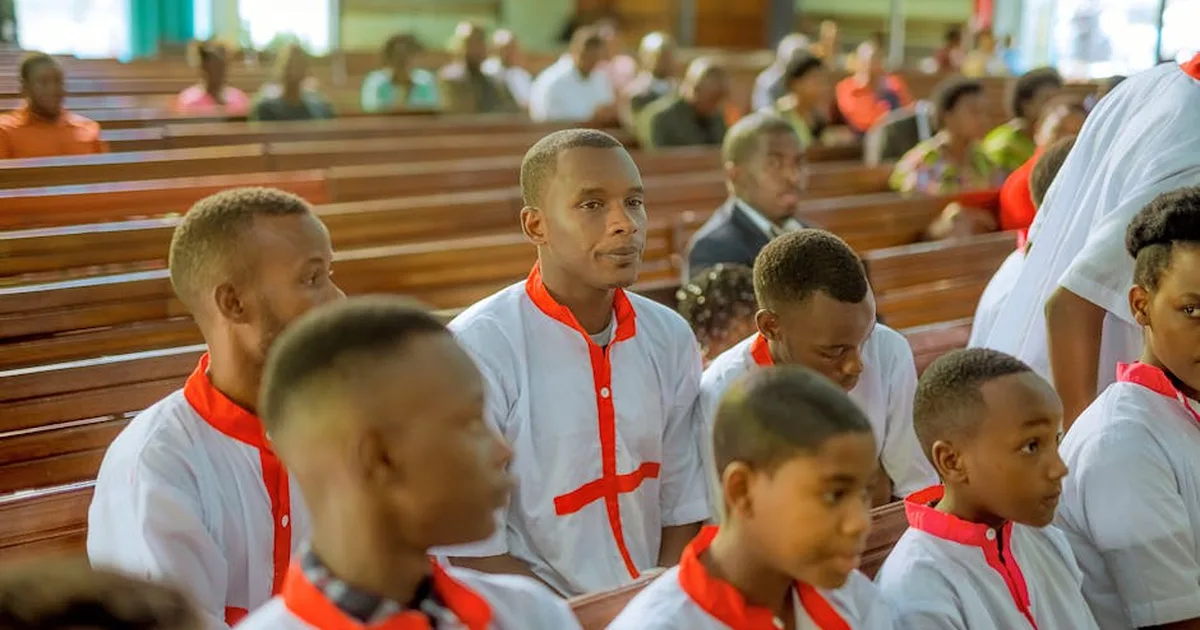
Yet, rapid growth does not always mean deep roots. In many places, a form of Christianity has emerged that mixes biblical teaching with traditional beliefs and a focus on material prosperity. This can lead to a faith that is more about seeking blessings than following Jesus as Lord. The apostle Paul warned Timothy about people who have “the appearance of godliness, but deny its power” (2 Timothy 3:5, ESV). This remains a real challenge for the church in Africa today.
To strengthen churches, we must first recognize both the vibrant faith and the areas where the gospel can be more clearly proclaimed. A healthy church is built on the truth of Scripture, the power of the Holy Spirit, and a community of believers committed to loving God and loving their neighbors.
Training Local Leaders for Lasting Impact
The most critical factor in strengthening churches is developing faithful, well-trained local leaders. When leaders are grounded in the Bible and equipped to teach, shepherd, and disciple others, the church can flourish even in difficult circumstances. The apostle Paul modeled this by training Timothy and others to carry on the work (2 Timothy 2:2).
Leadership training can take many forms. Formal education through seminaries and Bible colleges provides deep theological grounding. Non-formal programs, such as church-based internships and mentorship, offer practical experience. Informal training happens every time a mature believer walks alongside a younger Christian, modeling what it means to follow Christ. All three are valuable.
Churches should prioritize training that is accessible and culturally relevant. This means using local languages, addressing real-life issues like poverty and family conflict, and preparing leaders to both teach sound doctrine and show compassion. A trained leader is not just a preacher but a servant who equips the whole congregation for ministry (Ephesians 4:11-13).
Practical Steps for Developing Leaders
Start by identifying men and women who show spiritual maturity and a heart for service. Provide them with resources like study Bibles, commentaries, and access to online courses. Pair newer leaders with experienced mentors who can guide them through challenges. Encourage ongoing learning through workshops and conferences. Most importantly, pray for them and hold them accountable to live out what they teach.
Grounding the Church in Sound Doctrine
Healthy churches are built on the solid foundation of biblical truth. This means teaching the whole counsel of God, not just selected verses that promise health and wealth. Jesus called his followers to take up their cross and follow him (Luke 9:23), which involves self-denial, obedience, and sometimes suffering. The gospel is good news of salvation from sin, not a formula for earthly success.
Pastors and teachers must carefully handle the Word of God (2 Timothy 2:15) and help their congregations understand the core doctrines of the faith: the nature of God, the person and work of Christ, the role of the Holy Spirit, salvation by grace through faith, and the hope of eternal life. When believers are grounded in truth, they are less likely to be swayed by false teachings or cultural pressures.
One effective way to promote sound doctrine is through small group Bible studies. These groups allow for discussion, questions, and personal application. They also build community and accountability, which are essential for spiritual growth. Churches should invest in curriculum that is faithful to Scripture and relevant to the local context.
Fostering Genuine Worship and Community
Worship in African churches is often vibrant and expressive, which is a beautiful gift. However, worship must be more than emotional excitement. It should be centered on God and rooted in truth. Jesus said that true worshipers worship the Father “in spirit and truth” (John 4:24). This means our worship should engage our hearts and minds and align with what Scripture reveals about God.
Community is also vital. The early church devoted themselves to fellowship, breaking bread together, and prayer (Acts 2:42). Strong churches create spaces where people can share their burdens, celebrate joys, and grow together. This includes caring for the poor, the sick, and the marginalized, following Jesus’ example of compassion.
Practical ways to strengthen community include organizing small groups, hosting regular fellowship meals, and creating ministry teams that serve both the church and the wider community. When believers love one another deeply, it becomes a powerful witness to the world.
Engaging with Culture Without Compromise
African Christians live in a rich cultural context that includes traditional beliefs and practices. The challenge is to engage with culture in a way that honors Christ without syncretism—mixing biblical faith with unbiblical ideas. The apostle Paul engaged with the Athenian culture by quoting their poets and finding points of connection, but he always pointed them to the resurrection of Jesus (Acts 17:22-31).
Churches can help believers discern which cultural practices are compatible with Christianity and which are not. For example, honoring ancestors can be transformed into remembering their faith and legacy, while avoiding practices that involve worship or communication with the dead. Teaching on these topics should be done with sensitivity and clarity, always pointing to Christ as the only mediator between God and humanity (1 Timothy 2:5).
By addressing cultural issues openly and biblically, churches can help believers live out their faith authentically in their daily lives. This builds a Christianity that is both deeply rooted in Scripture and fully at home in the African context.
A Call to Prayer and Action
Strengthening churches in Africa is ultimately the work of God, but he invites us to participate. We can pray for the Holy Spirit to bring revival and for leaders to be raised up. We can support ministries that train pastors and provide resources. We can also encourage missionaries and local churches with our words and financial gifts.
For those serving in Africa, remember that the foundation of all ministry is a personal relationship with Jesus Christ. Spend time in prayer and Scripture daily. Rely on the Holy Spirit for wisdom and strength. Love the people you serve with the love of Christ. And trust that God is building his church, and the gates of hell will not prevail against it (Matthew 16:18).
As you reflect on this, consider: What is one step you can take this week to strengthen your local church or support believers in Africa? Whether it’s praying, giving, or reaching out, your action can make an eternal difference.





Comentarios