
Life is full of ordinary moments — mornings that blend into afternoons, meals shared with family, conversations with friends. Yet Scripture shows us that God often chooses these very moments to reveal His glory. In John's Gospel, we find a beautiful account of Jesus attending a wedding in Cana of Galilee. What seems like a simple social gathering becomes the stage for His first public miracle, and through it, we glimpse something profound about who He is and how He works.
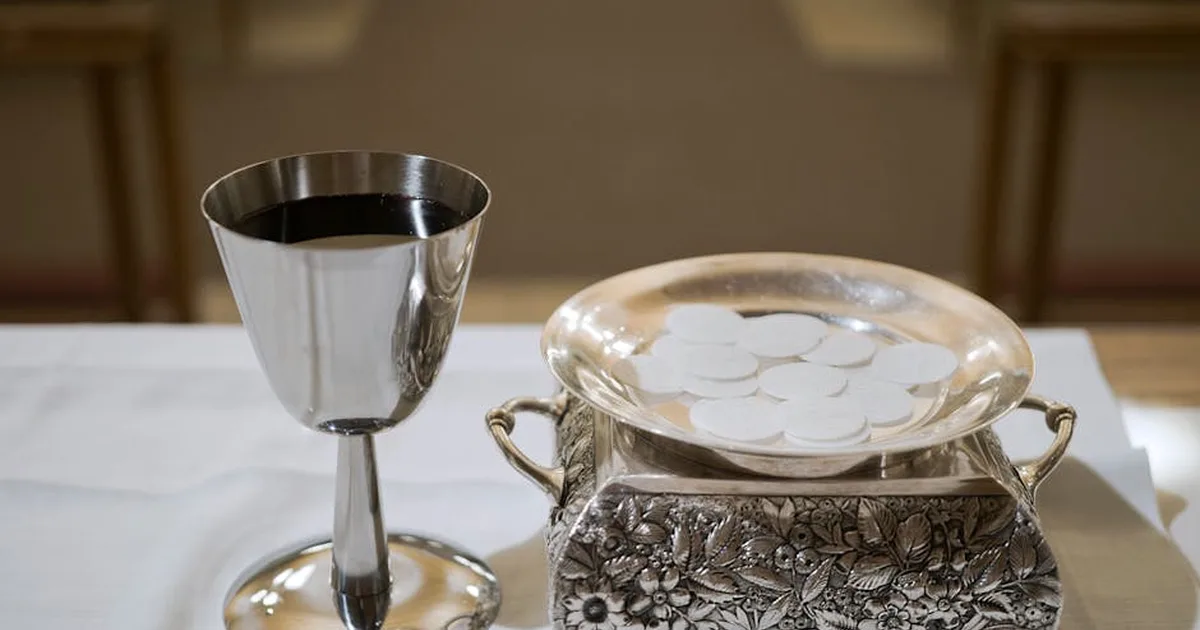
The wedding celebration was in full swing when a crisis struck: the wine ran out. In that culture, running out of wine at a wedding was not just an inconvenience — it was a social disaster, a source of deep shame for the host. Mary, Jesus' mother, noticed the problem and turned to Him with quiet confidence. Her words to the servants, "Do whatever he tells you" (John 2:5, ESV), echo through the ages as a call to trust and obey.
From Ritual to Reality
Jesus instructed the servants to fill six stone water jars with water — jars that were normally used for Jewish purification rites. These jars symbolized the old way of ritual cleansing, the constant need for washing and external purity. But Jesus was about to transform them into vessels of joy and abundance. When the water was drawn out and taken to the master of the feast, it had become the finest wine.
This miracle is rich with meaning. It points us from the shadows of religious ritual to the substance of God's grace. The water of purification becomes the wine of celebration. The law, which could only expose our need, gives way to the gospel, which supplies what we lack. As the apostle Paul wrote, "For the law was given through Moses; grace and truth came through Jesus Christ" (John 1:17, ESV).
The Timing of Glory
Notice that Jesus' mother did not demand a miracle — she simply presented the need. And Jesus responded, though His time had not yet fully come. This teaches us that God's glory often breaks into our lives at unexpected moments. We may feel that our situation is hopeless, that the wine of joy has run dry. But Jesus sees our need and acts according to His perfect timing.
In our own lives, we may be waiting for a breakthrough — in a relationship, a job, or a personal struggle. The story of Cana reminds us that God is not indifferent. He is the God who turns water into wine, who brings beauty from ashes, who restores what has been lost. The key is to trust Him and obey His instructions, even when they seem strange or insignificant.
Glory Made Visible
John tells us that through this miracle, Jesus "manifested his glory" (John 2:11, ESV). The Greek word for "manifested" means to make visible or known. In other words, Jesus' glory was not something hidden or abstract — it became tangible, seen and tasted by those at the wedding. The disciples saw it and believed.
This is the heart of the Christian faith: that the invisible God has made Himself known in Jesus Christ. We do not serve a distant deity, but a Savior who entered our world, shared our joys and sorrows, and revealed the Father's love. Every miracle, every teaching, every moment of Jesus' life is a window into the heart of God.
Seeing Glory in Our Lives
How do we see God's glory today? It may not come through a miracle of wine, but through answered prayers, unexpected provision, or the quiet strength to endure hardship. Sometimes glory is visible in the kindness of a friend, the beauty of creation, or the peace that surpasses understanding. The key is to have eyes to see.
Jesus said, "Blessed are the pure in heart, for they shall see God" (Matthew 5:8, ESV). When our hearts are cleansed by faith and focused on Him, we begin to recognize His hand in everyday life. The ordinary becomes extraordinary because the God of glory is present.
Practical Application: Trust and Obey
What "water jars" are in your life today? Perhaps they are your daily routines, your work, your family responsibilities. They may seem mundane, but Jesus can transform them into vessels of His grace. Like the servants at Cana, we are called to fill the jars with water — to do the simple, obedient thing — and then watch God work.
Take a moment to reflect: Where have you seen God's glory recently? Where do you need to trust Him to turn your water into wine? Ask Him to open your eyes to His presence and to give you the faith to obey, even when you don't understand the outcome.
"And the Word became flesh and dwelt among us, and we have seen his glory, glory as of the only Son from the Father, full of grace and truth." — John 1:14 (ESV)
May we, like the disciples, see His glory and believe.




Comentarios