
When we gather as believers, something remarkable happens. The church is not just a building or a weekly meeting—it is a living community where God’s grace becomes visible. The apostle Paul wrote that we are being transformed into the image of Christ from one degree of glory to another (2 Corinthians 3:18). This transformation is not merely individual; it is communal. As we grow together in love, patience, and kindness, we become a display of God’s glory to the world around us.
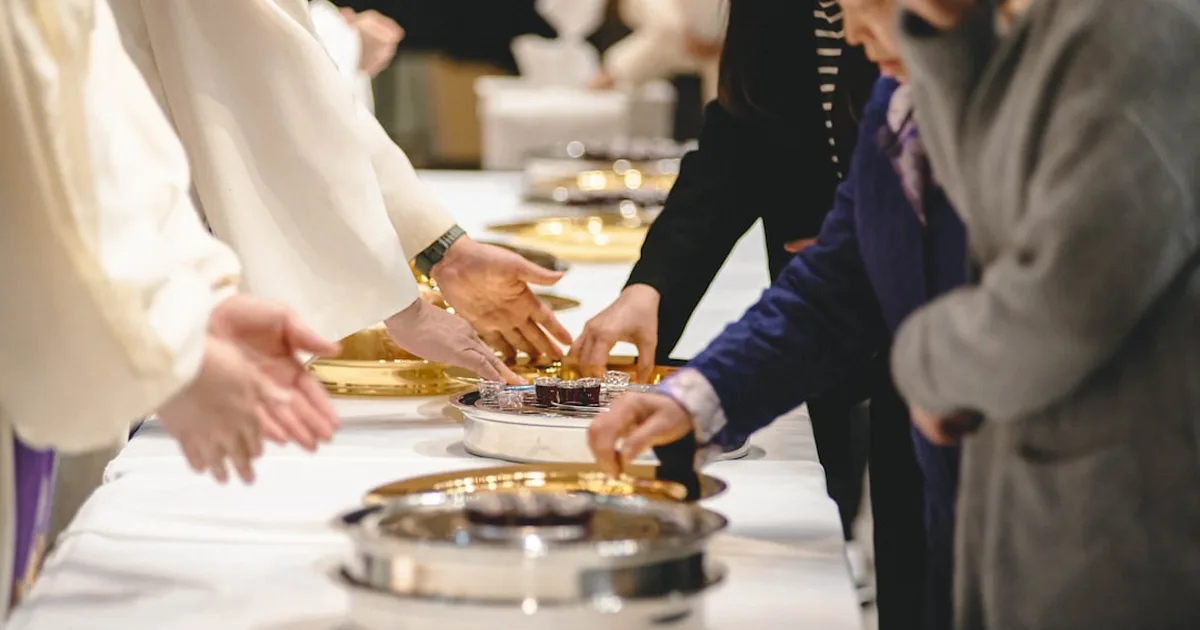
Think of a mosaic: each piece may be imperfect, but when arranged by a master artist, they form a breathtaking image. Similarly, God takes our brokenness and weaves us into a beautiful tapestry that reflects His character. The church is meant to be a preview of God’s kingdom—a place where reconciliation, forgiveness, and hope are tangible.
This is not about perfection, but about progress. Every act of service, every word of encouragement, every moment of worship adds to the beauty of the whole. In a world often marked by division and despair, the church is called to be a beacon of unity and joy.
How God Works in Us to Magnify His Grace
God’s ultimate purpose for the church is to display His grace. Ephesians 2:7 tells us that in the coming ages, God will show the immeasurable riches of His grace through His kindness to us in Christ Jesus. This means that our transformation is not just for our own benefit—it is a testimony to the world of God’s goodness.
The Role of Suffering in Our Transformation
Often, it is through trials that God shapes us most deeply. James 1:2-4 encourages us to count it all joy when we face various trials, because the testing of our faith produces steadfastness. When we endure difficulties together as a church, we learn to rely on God and on one another. This shared experience creates a bond that reflects the unity of the Trinity.
For example, a church that walks through a season of grief—whether due to loss, conflict, or external pressures—can emerge stronger and more compassionate. The pain becomes a catalyst for deeper faith and more authentic love. In this way, God uses our weaknesses to display His strength (2 Corinthians 12:9).
Every Member Matters
Paul’s metaphor of the body in 1 Corinthians 12 reminds us that every believer has a unique role. The eye cannot say to the hand, “I have no need of you.” When each person uses their gifts—whether teaching, serving, giving, or encouraging—the whole church is built up. This interdependence is a powerful witness to a world that often values independence and self-sufficiency.
Consider a small act of hospitality: a family opens their home for a small group. That simple gesture creates a space where people can share burdens, pray together, and grow in faith. Over time, these small acts accumulate, creating a culture of generosity and love. God’s glory is magnified not in grand gestures alone, but in the faithful, everyday choices of His people.
Becoming a Glorious Church Through Worship and Service
Worship is not limited to Sunday mornings. Romans 12:1 urges us to present our bodies as a living sacrifice, holy and acceptable to God, which is our spiritual worship. This means that every aspect of our lives—our work, our relationships, our rest—can be an offering to God. When the church lives this out collectively, it becomes a fragrant aroma of Christ (2 Corinthians 2:15).
Worship That Goes Beyond Songs
While singing and praying together are vital, true worship also involves serving the needy, seeking justice, and caring for creation. Jesus said that whatever we do for the least of these, we do for Him (Matthew 25:40). A church that feeds the hungry, visits the lonely, and advocates for the oppressed is a church that reflects God’s heart. Such actions are not just good deeds; they are acts of worship that display God’s glory.
For instance, a congregation that partners with a local food bank or starts a ministry for refugees is not only meeting practical needs but also demonstrating the gospel in tangible ways. The love of Christ becomes visible, and people are drawn to the hope that they see.
Unity in Diversity
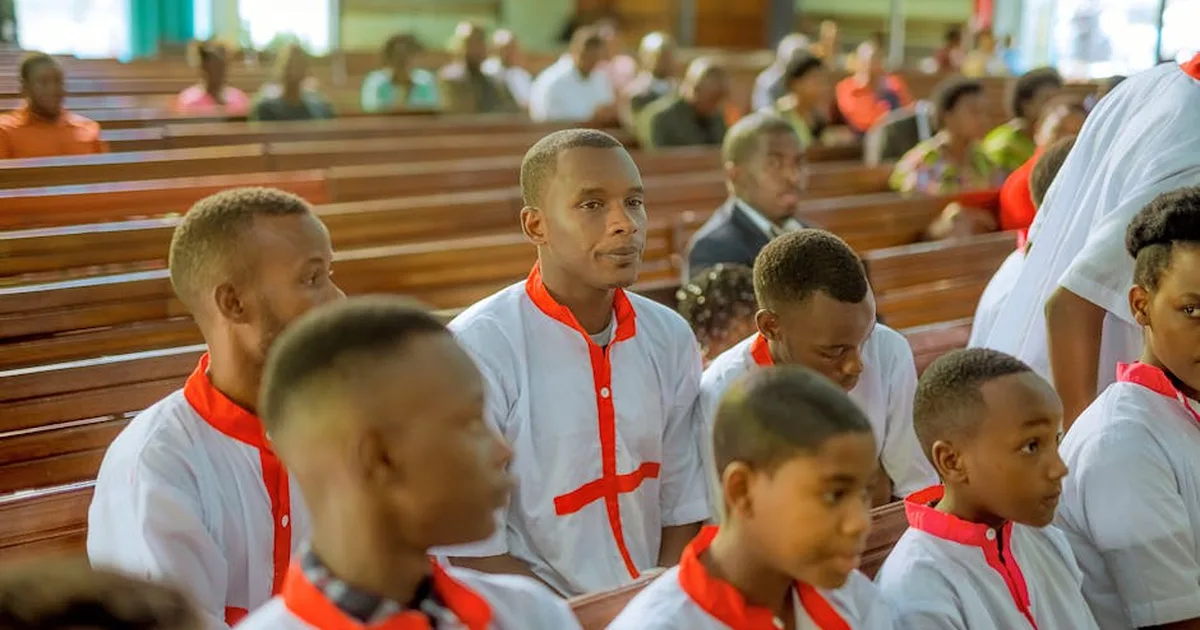
The early church in Acts 2 was marked by believers from different backgrounds sharing everything in common. This kind of unity does not erase differences but celebrates them as part of God’s design. When people of various ethnicities, ages, and social statuses worship together, it is a powerful testimony to the reconciling power of the gospel. Ephesians 2:14 says that Christ Himself is our peace, who has made us one. The church is called to be a foretaste of the multicultural, multiethnic worship that will fill heaven (Revelation 7:9).
Practical Steps to Reflect God’s Glory
How can we, as individuals and as a church, become more effective displays of God’s grace? Here are a few practical suggestions:
- Prioritize community: Make time for fellowship beyond Sunday services. Join a small group, volunteer together, or simply share meals. Relationships are the soil where transformation grows.
- Embrace vulnerability: Share your struggles and pray for one another. James 5:16 encourages us to confess our sins to each other and pray for healing. Authenticity builds trust and opens the door for God’s work.
- Use your gifts: Identify your strengths and look for ways to serve. Whether it’s teaching, hospitality, or administration, your contribution matters. The church is incomplete without you.
- Extend grace: Forgive as you have been forgiven. Colossians 3:13 reminds us to bear with one another and forgive grievances. A forgiving community is a powerful witness.
These steps may seem small, but they create a culture where God’s glory can flourish. As we practice these disciplines, we become more like Christ and more effective in our witness.
A Final Reflection
God’s purpose for the church is not hidden or complicated. He desires to fill us with His love and then pour that love out through us. The church is not a museum for saints but a hospital for sinners—a place where broken people find healing and hope. As we open ourselves to God’s transforming work, we become part of something eternal: a glorious church that reflects the beauty of its Creator.
Take a moment to consider: In what ways is your local church displaying God’s glory? And how can you contribute to that beauty today? Whether through a kind word, a helping hand, or a prayer, you have a part to play. The world is watching, and the God of all grace is working through you.


Comments