
At some point in our lives, we all face the reality of illness, whether in ourselves or in loved ones. As Christians, we know that prayer is a powerful resource God has given us to draw near to Him in those difficult times. How to pray for the sick is not just a technical question, but a heartfelt search to express love, faith, and hope when the body is weak. In this article, we'll explore biblical principles and practical advice together so your prayers can be a true comfort to those who suffer.

The Biblical Foundation for Healing Prayer
The Bible is full of examples and teachings about prayer for the sick. From the Old Testament through Jesus' ministry and the apostolic letters, we see that God cares deeply about our complete well-being. Prayer for healing is not a modern invention, but a practice rooted in Christian faith from its beginnings.
Jesus and Compassion for the Sick
The Gospels show us Jesus touching, healing, and praying for all kinds of sick people. His approach always combined compassion with faith. In Mark 1:40-42 we see a moving example: "A man with leprosy came to him and begged him on his knees, 'If you are willing, you can make me clean.' Jesus was filled with compassion. He reached out his hand and touched the man. 'I am willing,' he said. 'Be clean!' Immediately the leprosy left him and he was cleansed." This passage teaches us that Jesus not only had power to heal, but also a heart that was moved by suffering.
"Is anyone among you sick? Let them call the elders of the church to pray over them and anoint them with oil in the name of the Lord. And the prayer offered in faith will make the sick person well; the Lord will raise them up. If they have sinned, they will be forgiven" (James 5:14-15, NIV).
Essential Elements When Praying for the Sick
When we learn how to pray for the sick effectively, it's important to consider several aspects that make our intercession more than just repeated words. Authentic prayer comes from the heart and aligns with God's will.
Faith That Moves Mountains
Jesus repeatedly said that faith was crucial for receiving healing. In Matthew 9:22, after healing a woman suffering from bleeding, Jesus told her: "Take heart, daughter; your faith has healed you." This doesn't mean illness is caused by lack of faith, but that faith opens doors for God to act. When we pray for someone who is sick, we can ask God to increase our faith and the faith of the person we're interceding for.
The Importance of Community
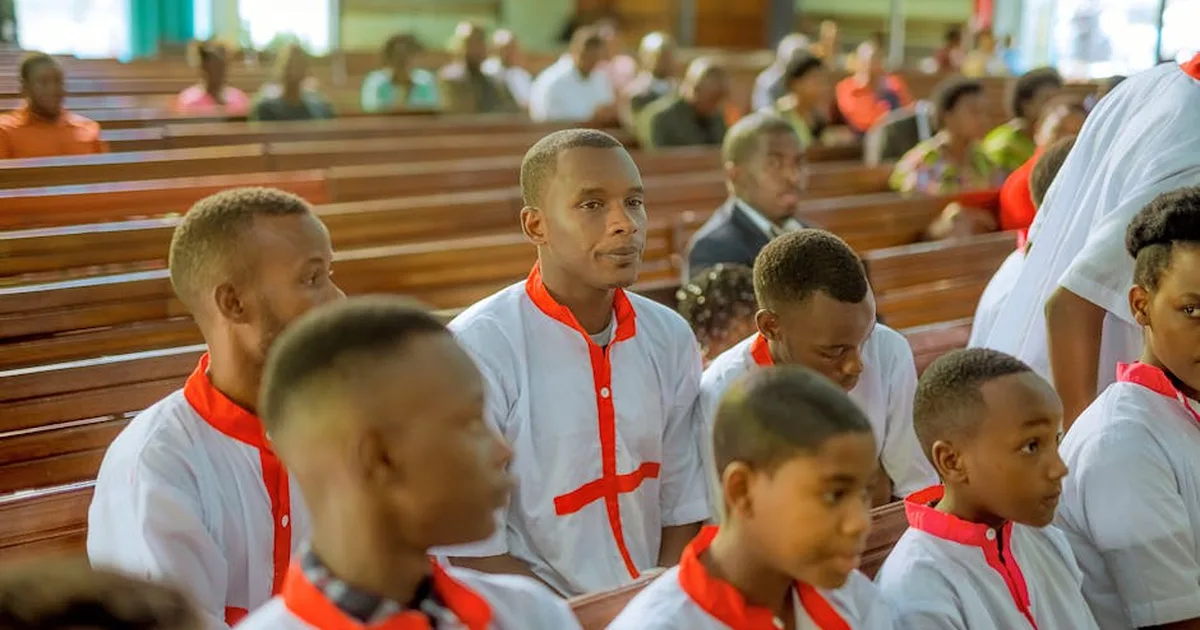
Prayer for the sick shouldn't be just a private matter. James 5:14-15 urges us to involve church leaders. In our Christian tradition, we see how Pope Leo XIV, who assumed the papacy in May 2025 following the passing of Pope Francis in April of that same year, has emphasized the importance of church community as support in times of illness. The Church, in its broadest and most ecumenical sense, is that body of believers who sustains, prays, and accompanies.
Practical Guide: Concrete Steps for Prayer
Now that we've seen the foundations, let's explore some practical steps about how to pray for the sick so our prayers can be meaningful and powerful.
1. Listen Before You Pray
Before beginning to pray, take a moment to listen to the sick person. Ask them how they feel, what fears they have, what they hope from God. This compassionate listening will help you pray more specifically and sensitively to their real needs.
2. Use Scripture in Your Prayer
Incorporating Bible verses in your prayers gives solidity and aligns your petitions with God's Word. You can use psalms like Psalm 23 or 91, or promises from the Gospels about healing. When you pray Scripture, you're praying God's own words back to Him, which strengthens your faith and the faith of the person you're praying for.
3. Pray With Hope, Not Demands
Our prayers should express hope in God's goodness and power, rather than making demands about how or when He should act. We can say: "Lord, we trust in Your love for this person. We ask for healing according to Your perfect will and timing." This approach respects God's sovereignty while expressing our deepest desires for wholeness.
4. Include Practical Support in Your Prayer
Prayer doesn't replace practical care. In your prayers, you can ask God to show you how to help tangibly—whether through meals, visits, helping with chores, or simply being present. Then follow through on what God puts on your heart. This makes your prayer authentic and holistic.
Continuing in Prayer
Learning how to pray for the sick is a journey, not a one-time lesson. As you practice these principles, you'll grow in confidence and compassion. Remember that your presence and prayers matter deeply to those facing illness. In our diverse Christian community, we support one another through prayer and practical love, trusting that God hears every heartfelt petition.



Comments