
In a world where moral debates rage over issues like abortion, euthanasia, and gender identity, a deeper question often goes unasked: What makes a human being valuable? Without a shared foundation for human worth, our moral conversations become battles of competing feelings and preferences. The Christian faith offers a clear answer: every person bears the image of God.
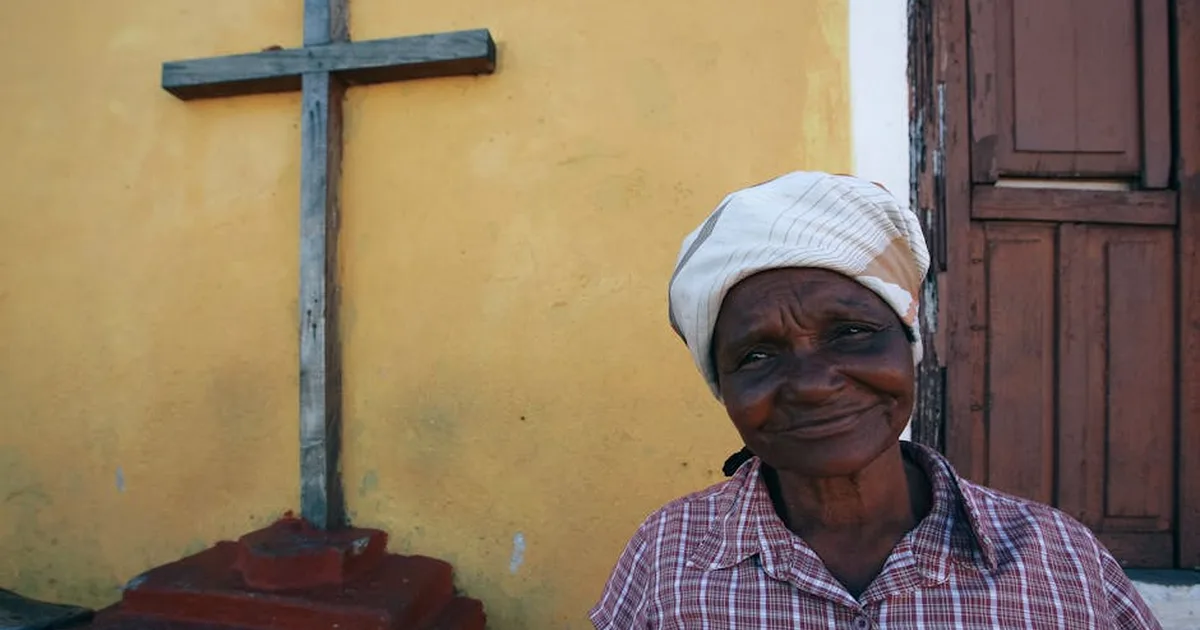
This truth, rooted in the opening pages of Scripture, has shaped Western civilization for centuries. But as belief in God fades, so does the basis for human dignity. When we lose sight of the Creator, we risk losing sight of what it means to be human.
The Image of God: Our Unshakeable Foundation
The Bible begins with a stunning declaration: 'So God created man in his own image, in the image of God he created him; male and female he created them' (Genesis 1:27, ESV). This simple verse carries profound implications. It tells us that human worth is not earned or assigned by society—it is given by God.
Being made in God's image means we reflect His character. We have the capacity for reason, creativity, love, and moral choice. We are not accidents of evolution or mere biological machines. We are purposeful creations, designed for relationship with God and with one another.
This understanding of human dignity directly challenges many trends in modern culture. When we treat people as objects—whether through pornography, exploitation, or disregard for the vulnerable—we dishonor the image of God in them. The apostle James warned against using our words to curse those 'who have been made in the likeness of God' (James 3:9, ESV). Our treatment of others is ultimately a reflection of our view of God.
The Consequences of Forgetting God
When a society abandons belief in a Creator, it must find a new basis for morality. Some turn to human reason, others to personal feeling, and still others to raw power. But none of these foundations can sustain a robust view of human rights.
History shows the danger. In the twentieth century, regimes that rejected God often treated human life as expendable. The Holocaust, the Soviet gulags, and other atrocities were not accidents—they were the logical outcome of a worldview that denies inherent human worth. As the psalmist wrote, 'The fool says in his heart, “There is no God”' (Psalm 14:1, ESV). The folly is not intellectual but moral: without God, we lose the anchor for goodness and justice.
Today, we see a subtler erosion. The rise of expressive individualism—the idea that our identity is whatever we feel it to be—makes human worth dependent on personal choice rather than divine creation. But if worth is self-created, it can also be revoked. The vulnerable—the unborn, the elderly, the disabled—become burdens rather than bearers of God's image.
What the Church Can Offer
The church has a vital role in this cultural moment. We are called to be a counter-community that embodies the dignity of every person. This means standing up for the marginalized, welcoming the stranger, and caring for the weak. It also means speaking truth with grace, pointing to the God who gives life meaning.
Jesus showed us what it looks like to honor the image of God. He touched lepers, spoke with outcasts, and died for sinners. In His parable of the Good Samaritan, He taught that our neighbor is anyone in need, regardless of race or status. The early church followed this example, caring for the sick and poor even during plagues.
As believers, we can offer a vision of humanity that is both ancient and urgently relevant. We can affirm that every person—from conception to natural death—is precious because God made them. This conviction should shape our politics, our relationships, and our daily lives.
Living Out Our Belief
How do we apply this truth practically? First, we can examine our own hearts. Do we treat others as image-bearers? This includes the difficult people in our lives, the strangers we pass on the street, and those with whom we disagree.
Second, we can engage our culture winsomely. Instead of simply condemning the world's brokenness, we can offer the hope of the gospel. When we explain why we value human life, we can point to the Creator who loves each person.
Finally, we can build communities that reflect God's design. Churches should be places where all ages and abilities are welcomed, where marriage is honored, and where the sanctity of life is celebrated. By living differently, we show that there is a better way.
A Question for Reflection
As you go about your week, consider: How does the belief that you are made in God's image change the way you see yourself? How does it change the way you see others? Take a moment to thank God for creating you with purpose and to ask Him to help you honor His image in everyone you meet.





Comments