
In an era where many feel disconnected from traditional church structures, the idea of creating welcoming, in-between spaces for spiritual conversation has never been more vital. The late Abraham Kuyper, a theologian and statesman, envisioned what he called forecourts—places where Christians could meet their neighbors on neutral ground. Today, as Western society grows increasingly secular, these front porch spaces offer a way to share faith without the barriers of formal church settings.
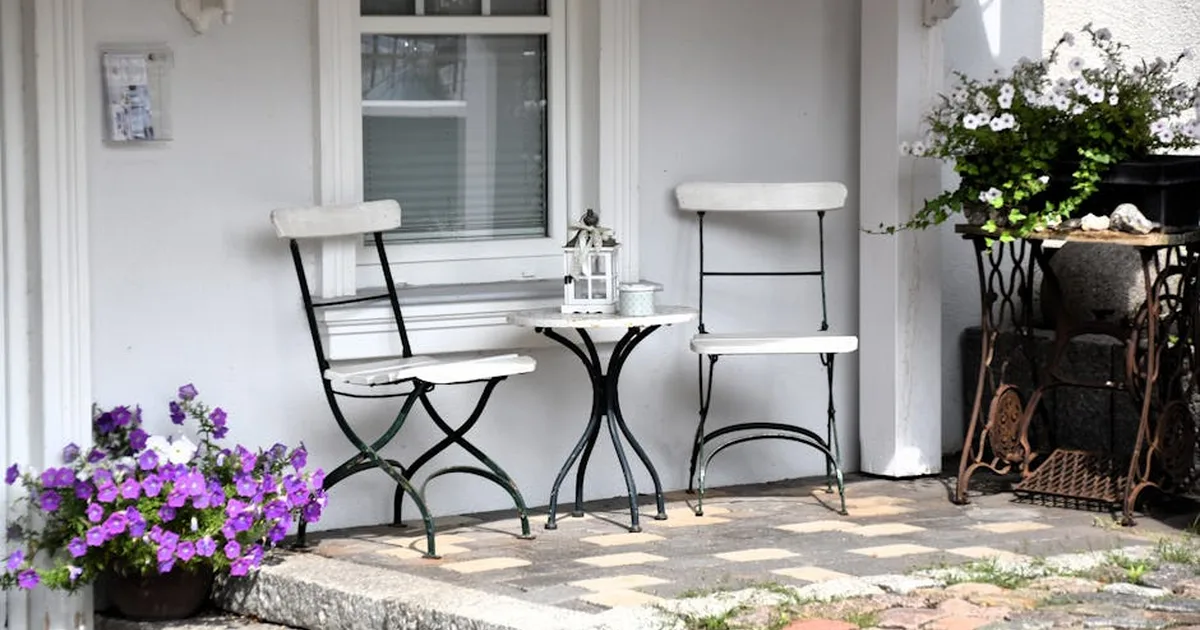
Imagine a front porch: not quite inside the house, not quite outside. It is a place of transition, where hospitality is offered and relationships are built. For churches, creating such environments means intentionally designing programs, events, and physical spaces that invite curiosity and dialogue. Whether it is a coffee shop in the church lobby, a community garden, or a weekly discussion group at a local café, these forecourts lower the threshold for engagement.
“Walk in wisdom toward outsiders, making the best use of the time. Let your speech always be gracious, seasoned with salt, so that you may know how you ought to answer each person.” — Colossians 4:5-6 (ESV)
This verse captures the heart of front porch ministry: gracious interaction that respects the other person's journey. It is not about winning arguments but about building trust. In a post-Christian context, people often arrive with skepticism or past hurts. The front porch provides a safe space to ask questions, share doubts, and encounter the gospel in a non-threatening way.
Understanding the Secular West
To build effective front porches, we must first understand the people we hope to reach. The secular West is not necessarily hostile to spirituality, but it is often indifferent to institutional religion. Many people today identify as spiritual but not religious, seeking meaning in experiences rather than doctrines. They value authenticity, community, and social justice—values that resonate with the heart of Christianity.
The challenge for the church is to translate timeless truths into language that connects with contemporary seekers. This does not mean diluting the gospel, but rather presenting it in forms that address modern questions. For instance, a series on the Beatitudes might focus on what it means to be blessed in a world of anxiety and inequality. A discussion on the parables could explore themes of forgiveness and reconciliation that speak to divided communities.
The Role of Culture in Shaping Faith
Culture is not neutral; it shapes how we perceive reality. In the West, individualism and consumerism have created a fragmented sense of self. Many people feel isolated despite being constantly connected online. The front porch offers a counter-cultural space of genuine encounter. It is a place where we can be fully present with one another, sharing stories and bearing witness to God’s work in our lives.
As James Eglinton, a scholar of Kuyper’s thought, notes, the church must learn to speak the language of its culture without being co-opted by it. This means engaging with art, film, and literature as conversation partners. A book club that reads a novel exploring redemption can lead to deeper conversations about faith than a traditional Bible study might. The front porch is flexible; it adapts to the needs and interests of the community.
Practical Examples of Church Porches
Churches around the world are already experimenting with front porch ministries. Some have transformed their lobbies into inviting lounges with free Wi-Fi and coffee, where people can work or meet friends. Others host neighborhood block parties, offering food and games with no strings attached. A church in an urban area might partner with a local bakery to create a pop-up café that serves as a gathering place.
One powerful example is the concept of lemonade on the porch, popularized by Tim Keller. This involves simple acts of hospitality—offering a cool drink on a hot day, a listening ear, or a prayer for someone in need. It is low-key, relational, and disarming. Over time, these small gestures build trust and open doors for sharing the hope that is within us.
“But in your hearts honor Christ the Lord as holy, always being prepared to make a defense to anyone who asks you for a reason for the hope that is in you; yet do it with gentleness and respect.” — 1 Peter 3:15 (ESV)
This verse reminds us that front porch ministry is not about aggressive evangelism but about being ready to share our faith when asked. The hope we carry should be evident in our lives, drawing others to inquire. The front porch creates the context for those natural conversations to happen.
The Relational Nature of Church Porches
At its core, front porch ministry is about relationships. It takes time, patience, and a willingness to be vulnerable. We cannot rush the process; we must walk alongside people, celebrating their steps toward faith, no matter how small. This approach mirrors the way Jesus engaged with people—meeting them where they were, whether at a well, a dinner table, or a fishing boat.
For churches considering this model, start small. Identify a few members who are gifted in hospitality and empower them to create a welcoming environment. It could be as simple as hosting a weekly dinner for neighbors or offering a free workshop on a topic of interest. The key is consistency and authenticity. People will notice if the front porch is just another program; they are looking for genuine connection.
Conclusion: A Call to Action
As we navigate a post-Christian world, the front porch offers a hopeful way forward. It is not a retreat from culture but an engagement with it, grounded in love and truth. Every church has the potential to build these forecourts—spaces where the curious can explore faith without pressure, where the skeptical can find honest answers, and where the lonely can discover community.
Take a moment to consider your own context. What would a front porch look like in your neighborhood? Maybe it is a prayer walk, a community clean-up, or a discussion group at a local library. Whatever form it takes, let it be marked by grace, patience, and the hope that God is already at work in the lives of those around us.
Reflection question: Who is one person in your life that you could invite to a front porch space this week? What step can you take to create a welcoming environment for them?




Comentarios