
When we read the Bible, we find that God uses many images to speak to us about his relationship with us. One of the most powerful and repeated is that of the shepherd and his sheep. But have you ever wondered why God chose sheep as a symbol of his people? They are not especially intelligent, strong, or majestic animals. Yet in them we find a mirror of our own human condition and the unconditional love of our Creator.
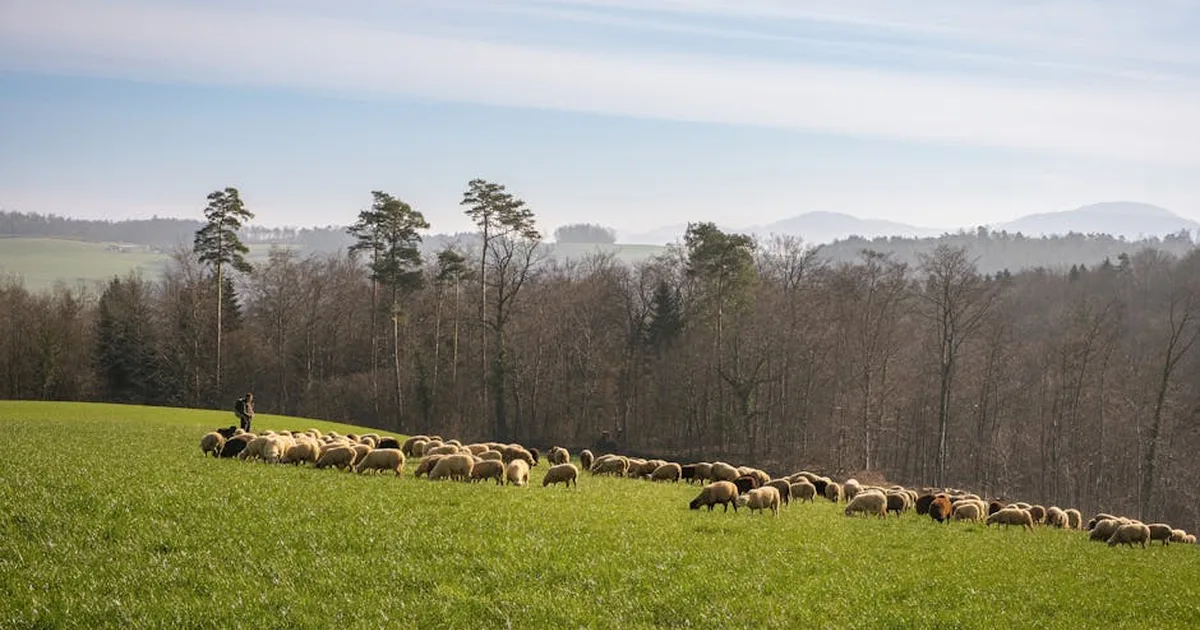
The Fragility of Sheep: A Reflection of Our Need
Sheep are dependent animals. Without a shepherd, they easily get lost, cannot find food for themselves, and are easy prey for predators. In the natural world, they would not survive long alone. This vulnerability is not an accident; it is a spiritual lesson. God, by comparing us to sheep, reminds us that without him we are lost and helpless.
The prophet Isaiah expressed it clearly: "We all, like sheep, have gone astray, each of us has turned to our own way" (Isaiah 53:6, NIV). This image shows us that our natural tendency is to wander away from God, follow our own paths, and in doing so, put ourselves in danger. But just as the shepherd seeks the lost sheep, God seeks us with patient love.
"I am the good shepherd; I know my sheep and my sheep know me" (John 10:14, NIV).
The Shepherd: Care and Guidance in the Midst of Danger
The figure of the shepherd in the Bible is not romantic or idealized. Being a shepherd in biblical times was hard, lonely, and dangerous work. The shepherd had to protect his flock from wolves, bears, and lions, lead them to green pastures and quiet waters, and tirelessly search for the lost sheep. David, before becoming king, shepherded his father's sheep and faced a lion and a bear to save his flock (1 Samuel 17:34-35).
Jesus identifies himself as the Good Shepherd, the one who lays down his life for the sheep (John 10:11). Unlike the hired hand who flees when danger comes, Jesus stays with us, protects us, and guides us. This image speaks of sacrificial love, of a care that does not abandon us even in the darkest moments.
The Trust of Psalm 23
Psalm 23 is perhaps the most well-known text about the shepherd and the sheep. It begins with a declaration of trust: "The Lord is my shepherd, I lack nothing" (Psalm 23:1, NIV). This affirmation is not just poetry; it is a statement of faith. To acknowledge God as our Shepherd means accepting that we depend on him for everything: for our sustenance, our direction, our protection, and our rest.
The psalmist describes how the shepherd provides green pastures and still waters, restores the soul, guides along right paths. Even in the valley of the shadow of death, he fears no evil, because the shepherd is with him. The shepherd's rod and staff are instruments of discipline and comfort, reminding us that God's correction is a sign of his love.
"Surely your goodness and love will follow me all the days of my life, and I will dwell in the house of the Lord forever" (Psalm 23:6, NIV).
Lessons from Sheep for Our Christian Life
If God compares us to sheep, there are practical lessons we can learn for our daily walk:
- Dependence: Just as sheep need the shepherd, we need God in every moment. We are not designed to live independently of him.
- Obedience: Sheep follow the shepherd because they trust he will lead them to safe places. We too are called to follow Jesus, even when we do not always understand the path.
- Community: Sheep live in a flock. We are not made to isolate ourselves; we need the fellowship of other believers to grow and protect one another.





Comments