
The harvest festival is a special moment in both the agricultural and spiritual calendar. In the Bible, this celebration carries deep meaning: it is a reminder of God's care for His people and an invitation to gratitude. Although not observed uniformly across Christian traditions, its essence transcends denominations and connects us to the heart of the Father. In this article, we will explore the biblical roots of this festival, its theological significance, and how we can apply it in our daily lives.
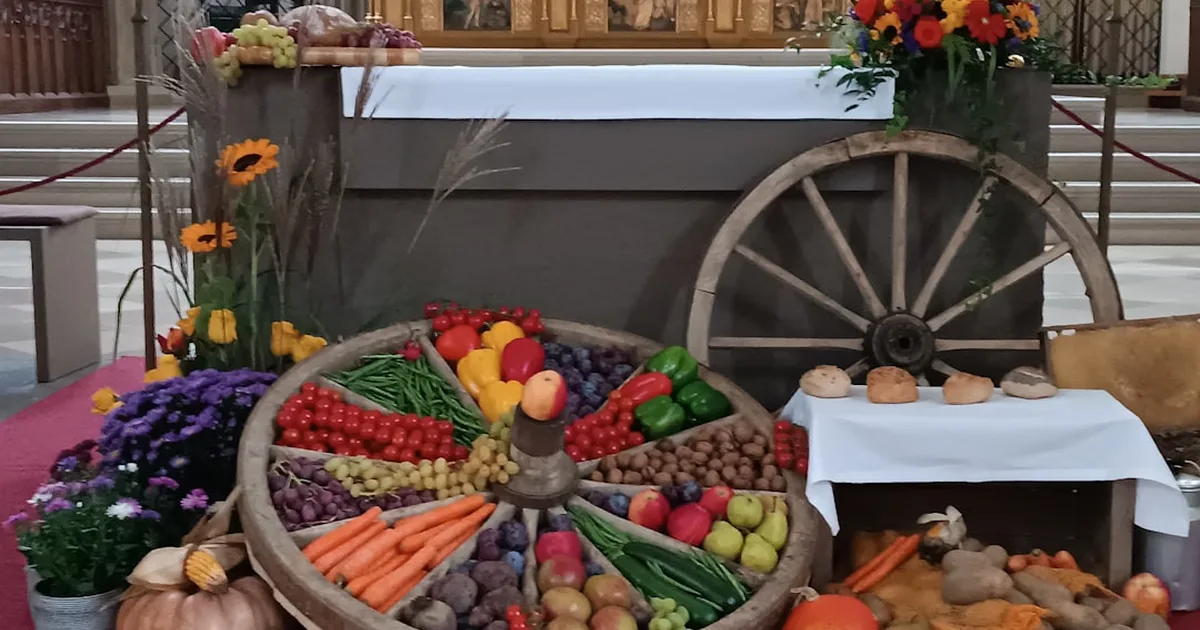
The Harvest Festival in the Old Testament
In the Old Testament, God established several festivals for the people of Israel to remember His provision and faithfulness. The harvest festival, also known as the Feast of Weeks (Shavuot) or the Feast of Ingathering, was one of the most important. In Exodus 23:16, God instructs:
“Celebrate the Festival of Harvest with the firstfruits of the crops you sow in your field” (NIV).This celebration took place at the end of the wheat harvest, and the people brought offerings to the temple as a sign of gratitude. The biblical meaning of the harvest festival centered on recognizing that every blessing comes from God, not from human effort.
The Connection with the Law
The harvest festival was also linked to the giving of the Law at Mount Sinai. According to Jewish tradition, Shavuot commemorates the moment when God gave the Ten Commandments to Moses. This adds a spiritual layer: the harvest is not only of physical fruits but also of God's Word that guides the people. In Deuteronomy 16:10-11, it is commanded:
“Then celebrate the Festival of Weeks to the Lord your God by giving a freewill offering in proportion to the blessings the Lord your God has given you” (NIV).Thus, the festival combined material joy with spiritual responsibility.
The Harvest in the New Testament: Jesus and the Spiritual Harvest
In the New Testament, Jesus uses the image of the harvest to teach about the Kingdom of God. In John 4:35, He says:
“Don’t you have a saying, ‘It’s still four months until harvest’? I tell you, open your eyes and look at the fields! They are ripe for harvest” (NIV).Here, the biblical meaning of the harvest festival transforms into a metaphor for evangelism: the fields are ready to gather souls for God. The physical harvest points to a greater spiritual reality: the urgency of sharing Christ's love.
Pentecost: The Harvest of the Spirit
The book of Acts recounts that the Holy Spirit descended on the disciples during the Feast of Pentecost (which is Shavuot in Greek). In Acts 2, Peter preaches, and three thousand people are converted. This is the ultimate spiritual harvest: the fruit of the Holy Spirit in the early church. The biblical meaning of the harvest festival is fulfilled in the expansion of the Gospel, where every believer is called to participate in the harvest.
Practical Application: How to Celebrate the Harvest Today
As Christians, we can live out the spirit of the harvest festival in concrete ways. It is not about empty rituals but about attitudes of the heart. Here are some ideas:
- Practice daily gratitude: Before each meal, thank God for the food. Keep a blessing journal to remember His provision.
- Share with others: Organize a community dinner with neighbors or at your church, where each person brings a dish representing the fruits of the earth. This fosters unity and collective thanksgiving.
- Support the needy: The biblical harvest included leaving gleanings for the poor. Consider donating to a food bank or volunteering at a local shelter.
- Reflect on spiritual growth: Take time to evaluate the spiritual fruit in your life—patience, kindness, generosity—and thank God for His work in you.
The harvest festival reminds us that God is the source of all good things. Whether through a church service, a family meal, or a moment of quiet reflection, we can honor Him by recognizing His provision and sharing His love. May this celebration deepen your faith and connect you with the heart of God.





Comments