
In a world that often celebrates youth above all else, many of us find ourselves wrestling with the natural process of aging. We see advertisements promising to erase wrinkles, products claiming to restore youthful vitality, and cultural messages suggesting that our value diminishes as years accumulate. Yet within the Christian community, we discover a different narrative—one that honors the journey of life and recognizes the profound beauty that emerges through faithful living across decades.
Scripture offers us a refreshing perspective on growing older. The Psalmist declares, "The righteous will flourish like a palm tree, they will grow like a cedar of Lebanon; planted in the house of the Lord, they will flourish in the courts of our God. They will still bear fruit in old age, they will stay fresh and green" (Psalm 92:12-14, NIV). This imagery speaks not of decline but of continued growth, vitality, and purpose throughout every season of life.
As we consider our own journeys, we might ask: What if the lines on our faces tell stories of God's faithfulness? What if our changing appearances reflect not loss but gain—the accumulation of wisdom, compassion, and spiritual depth that only comes through walking with God through both joyful and challenging seasons?
The Witness of Faithful Lives
Many of us have been blessed by older believers whose lives demonstrate what it means to follow Christ faithfully over many years. These spiritual mentors show us that beauty isn't found in the absence of wrinkles but in the presence of character shaped by God's grace. Their lives become living testimonies to God's sustaining power and love.
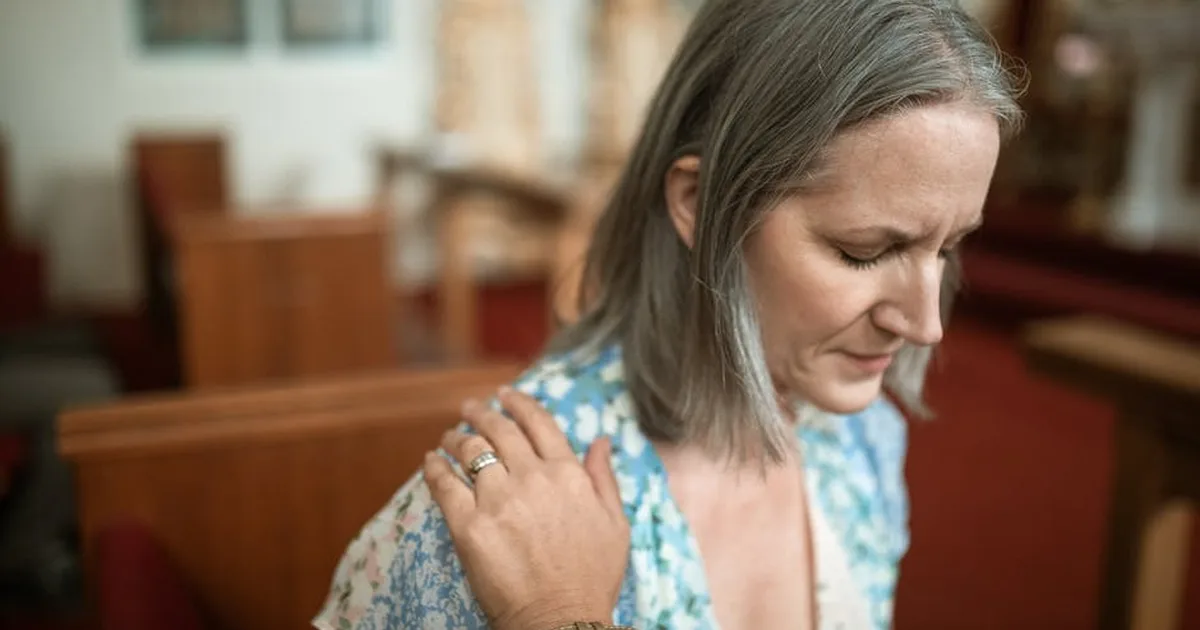
Think of the woman who has prayed for her family and community for decades. Her hands, now marked by time, have lifted countless petitions to heaven. Her eyes, perhaps surrounded by laugh lines, have witnessed God's faithfulness through seasons of joy and sorrow. Her voice, seasoned by years of speaking truth in love, offers wisdom that comes only through experience with God's faithfulness.
The apostle Paul recognized this kind of spiritual legacy when he wrote to Timothy: "I am reminded of your sincere faith, which first lived in your grandmother Lois and in your mother Eunice and, I am persuaded, now lives in you also" (2 Timothy 1:5, NIV). This passing of faith from generation to generation creates a beautiful tapestry of spiritual heritage that enriches entire communities.
Practical Expressions of Mature Faith
What does this mature faith look like in everyday life? Often it appears in simple, profound ways:
- The willingness to listen without rushing to offer solutions
- The ability to see beyond immediate circumstances to God's bigger picture
- The patience to walk alongside others through difficult seasons
- The wisdom to know when to speak and when to remain silent
- The consistent prayer life that has been refined through decades of practice
These qualities don't develop overnight. They emerge gradually through years of walking with God, through seasons of testing and celebration, through learning to depend on God's strength rather than our own.
Cultural Messages vs. Biblical Wisdom
Our culture often tells us that aging is something to fight, delay, or conceal. The anti-aging industry, valued at billions of dollars, reflects this anxiety about growing older. Yet Scripture presents a different perspective. Proverbs reminds us that "Gray hair is a crown of splendor; it is attained in the way of righteousness" (Proverbs 16:31, NIV).
This doesn't mean we shouldn't care for our bodies—we are called to be good stewards of all God has given us. But it does invite us to reconsider what true beauty means from God's perspective. Physical appearance changes, but "the unfading beauty of a gentle and quiet spirit... is of great worth in God's sight" (1 Peter 3:4, NIV).
As we navigate these cultural messages, we might ask ourselves: Where do I find my worth and identity? Is it in maintaining a youthful appearance, or in growing in Christlike character? The answers to these questions shape how we approach each stage of life.
Embracing Our Own Journey
How then do we cultivate this perspective in our own lives? It begins with recognizing that every season has purpose in God's design. The energy of youth, the stability of middle years, and the wisdom of later life all contribute to the beautiful diversity of the body of Christ.
We can learn to see the marks of time not as flaws but as evidence of a life lived. Laugh lines might tell of joy shared with others. Forehead wrinkles might speak of concern carried for loved ones. Weathered hands might testify to service offered in Jesus' name. Each tells a story of God's faithfulness through different seasons.
The apostle Paul offers encouragement for every stage: "Therefore we do not lose heart. Though outwardly we are wasting away, yet inwardly we are being renewed day by day" (2 Corinthians 4:16, NIV). This renewal happens through our relationship with Christ, regardless of our age or circumstances.
Living with Eternal Perspective
Ultimately, our perspective on aging finds its foundation in eternity. While our physical bodies change with time, we are promised something far greater. "So we fix our eyes not on what is seen, but on what is unseen, since what is seen is temporary, but what is unseen is eternal" (2 Corinthians 4:18, NIV).
This eternal perspective helps us navigate each season with hope and purpose. It reminds us that our true identity is found in Christ, not in our appearance or abilities. It encourages us to invest in what lasts—relationships, character, spiritual growth—rather than clinging to what is temporary.
As we journey through life, we have the privilege of pointing others to this hope. Whether we're in our twenties or eighties, we can demonstrate that a life centered on Christ grows richer with time. We can show that while our outer selves may change, our inner selves can continue to be transformed into Christ's likeness.
Reflection and Application
Take a moment to consider: Who are the older believers who have influenced your spiritual journey? What qualities in their lives do you most admire? How might you thank them for their example?
As you look toward your own future, what fears or hopes do you have about aging? How might Scripture's perspective on growing older reshape those thoughts?
Finally, consider how you might cultivate the qualities of spiritual maturity now, regardless of your age. What practices could help you develop the character that will shine brightly in every season of life?
"They will still bear fruit in old age, they will stay fresh and green, proclaiming, 'The Lord is upright; he is my Rock, and there is no wickedness in him.'" (Psalm 92:14-15, NIV)




Comments