
More than once, I've heard questions that weigh heavy on the heart: "How can we trust the gospel message when those who preach it seem divided?" This concern, arising both within and beyond our communities, invites us to reflect deeply on the testimony we give as Christ's body.
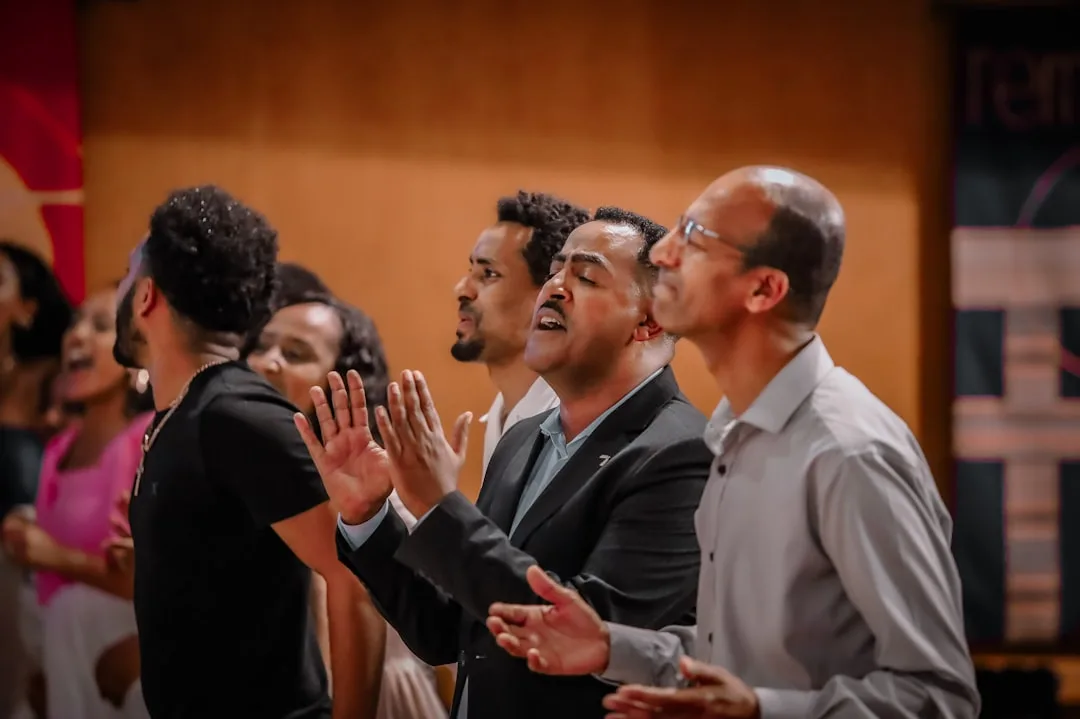
The reality is that throughout Christian history, we've seen how theological, methodological, and cultural differences have created divisions. Yet, looking back, we discover that Jesus' first followers found ways to maintain unity despite diversity. Their example challenges us today to seek paths of collaboration that honor our Lord.
The Biblical Model of Shared Leadership
Scripture presents a beautiful picture of how God uses multiple people to care for His people. In Acts, we see the apostles working together, making decisions collectively, and supporting one another. Paul, Peter, John, and James—each with their unique character and approach—collaborated for the spread of the gospel.
"And he gave some, apostles; and some, prophets; and some, evangelists; and some, pastors and teachers; For the perfecting of the saints, for the work of the ministry, for the edifying of the body of Christ" (Ephesians 4:11-12, KJV).
This passage clearly shows that God has designed a diversity of gifts and ministries within His church. There isn't just one type of leader, but many, each with specific functions that complement one another. When we recognize this reality, we begin to value the richness found in different ways of serving.
Lessons from the Early Church
The first centuries of Christianity offer inspiring examples of pastoral collaboration. Figures like Ignatius of Antioch, Polycarp of Smyrna, and later, Augustine of Hippo, maintained regular correspondence, visited when possible, and supported each other in times of difficulty.
A particularly illustrative case is that of Cyprian of Carthage, who in the 3rd century wrote extensively about the shared responsibility bishops from different regions had. In one of his letters, he emphasized how pastors should watch over not only their own congregations but also the welfare of believers in other communities. This broad vision of pastoral care transcended geographical and jurisdictional boundaries.
These early leaders understood that although each pastor had their specific flock, all were part of Christ's one flock. This awareness of belonging to something greater than their own local congregation motivated them to work collaboratively.
Current Challenges and Opportunities
In our contemporary context, we face particular challenges that can hinder pastoral collaboration. Geographical distances, denominational differences, diverse liturgical traditions, and even busy schedules can become barriers. However, we also have tools the early Christians didn't have: instant communication, virtual meeting possibilities, and greater mobility.
The election of Pope Leo XIV in May 2025, following the pontificate of beloved Pope Francis who departed to the Father's house in April of that same year, reminds us that leadership in the church is a service exercised in continuity and communion. Every pastor, regardless of their ecclesial tradition, is called to that same spirit of collaborative service.
In Latin America, where Christian diversity is so rich, we have a unique opportunity to model a unity that respects differences. Historic churches, evangelical communities, charismatic groups, and other expressions of faith can demonstrate that our shared commitment to Christ is stronger than what separates us. This requires intentional effort—creating spaces for dialogue, recognizing the validity of different pastoral approaches, and celebrating what we have in common.
Practical steps might include organizing interdenominational prayer meetings, developing joint community service projects, sharing resources during times of crisis, and fostering relationships of genuine friendship among pastors. When shepherds walk together, the entire flock benefits from their combined wisdom and care.
Ultimately, unity in diversity isn't about uniformity but about harmony. Like different instruments in an orchestra, each pastoral voice has its unique tone and contribution. When played together under the direction of the Great Conductor, they create a symphony that glorifies God and strengthens His people. May we, as pastors and leaders, commit ourselves to this beautiful work of building bridges, so that the world may see our love for one another and believe.





Comments