
When we consider courageous figures, our minds often turn to dramatic heroes—firefighters rushing into burning buildings, soldiers defending their nations, or individuals who shield others from harm. These acts indeed represent profound bravery, demonstrating a willingness to risk everything for another's safety. Yet for most Christians living in today's world, courage manifests in quieter, more persistent forms that shape our daily walk with God.
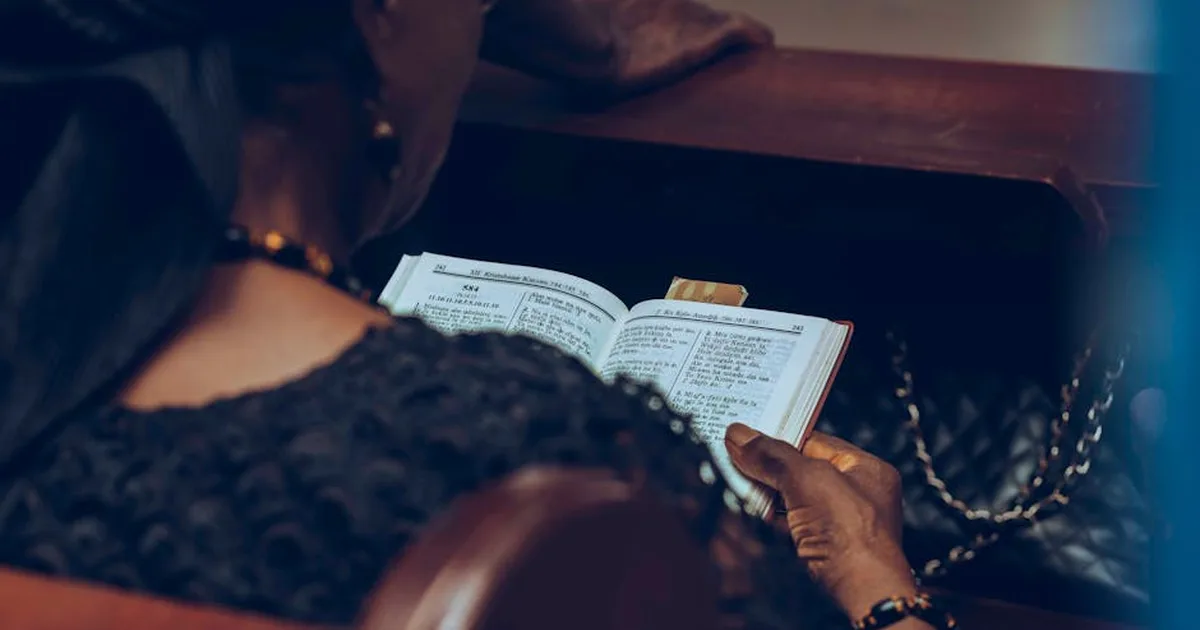
True Christian courage isn't limited to extraordinary circumstances but permeates ordinary existence. It takes courage to maintain faith when prayers seem unanswered, to extend forgiveness when hurt runs deep, to choose integrity when compromise would be easier, and to speak truth when silence would be more comfortable. These everyday acts of courage form the fabric of faithful living, weaving together moments that may seem small individually but create a tapestry of spiritual resilience over time.
The apostle Paul reminds us in 1 Corinthians 16:13-14:
"Be on your guard; stand firm in the faith; be courageous; be strong. Do everything in love." (NIV)This instruction connects courage with both steadfastness and love, suggesting that true bravery in Christian life isn't about aggression or dominance but about faithful persistence rooted in Christ-like compassion.
Biblical Foundations of Everyday Courage
Scripture offers numerous examples of courage expressed through faithful obedience in ordinary circumstances. Consider the widow who gave her last two coins in the temple (Mark 12:41-44)—her courage wasn't in facing physical danger but in trusting God with her complete livelihood. Or think of Joseph, who maintained his integrity while serving in Potiphar's household, resisting temptation even when it cost him his position (Genesis 39).
These biblical narratives reveal that courage often appears in what might seem like mundane faithfulness. The prophet Jeremiah continued speaking God's messages despite years of rejection and opposition. The early Christians gathered for worship despite social pressure and potential persecution. In each case, courage meant continuing in faithfulness when easier paths were available.
Paul's letters frequently address this theme of persistent courage. In Ephesians 6:10-18, he describes putting on the "full armor of God," not for dramatic battles but for standing firm against spiritual forces. This imagery suggests that Christian courage involves daily preparation and consistent readiness rather than occasional heroic acts.
Courage Through Vulnerability
Modern culture often equates courage with strength and invulnerability, but Christian understanding embraces a different perspective. True courage frequently requires vulnerability—the willingness to be open, to risk disappointment, to admit need, and to depend on God rather than self-sufficiency. This vulnerability isn't weakness but rather strength channeled through trust in God's provision.
Jesus demonstrated this vulnerable courage throughout his ministry. He wept at Lazarus's tomb, expressed anguish in Gethsemane, and asked for the cup to pass from him—all while maintaining perfect obedience to the Father's will. His example shows that courage includes emotional honesty and dependence on God rather than stoic self-reliance.
Practical Courage in Daily Christian Living
What does this everyday courage look like in practical terms? Consider these ordinary moments that require spiritual bravery:
- Choosing to forgive when holding a grudge would feel justified
- Speaking about faith with a skeptical friend or colleague
- Maintaining hope during prolonged difficulty or waiting
- Making ethical choices in business or career when shortcuts are available
- Persisting in prayer when answers seem distant
- Loving difficult people with Christ-like compassion
- Admitting mistakes and seeking reconciliation
Each of these actions requires courage because they involve risk—the risk of rejection, disappointment, or personal cost. Yet they align with Jesus' teaching in Matthew 5:10-12:
"Blessed are those who are persecuted because of righteousness, for theirs is the kingdom of heaven. Blessed are you when people insult you, persecute you and falsely say all kinds of evil against you because of me. Rejoice and be glad, because great is your reward in heaven." (NIV)
This passage reframes our understanding of risk and reward, suggesting that courage in following Christ brings spiritual blessing even when it involves earthly difficulty.
Cultivating Courage Through Spiritual Practices
How can Christians develop this everyday courage? Spiritual practices provide pathways for growth in bravery:
Prayer as Courage Training: Regular prayer develops courage by strengthening our connection to God's power and perspective. As we bring our fears and challenges before God, we learn to depend on his strength rather than our own. Paul encourages this in Philippians 4:6-7:
"Do not be anxious about anything, but in every situation, by prayer and petition, with thanksgiving, present your requests to God. And the peace of God, which transcends all understanding, will guard your hearts and your minds in Christ Jesus." (NIV)
Scripture as Courage Foundation: Immersing ourselves in God's Word builds courage by reminding us of his faithfulness throughout history. Reading about how God sustained his people through various trials strengthens our trust that he will sustain us in our challenges.
Community as Courage Support: Christian fellowship provides both encouragement and accountability for courageous living. When we share our struggles with trusted believers and hear their stories of faithfulness, we find strength to face our own challenges. Hebrews 10:24-25 emphasizes this:
"And let us consider how we may spur one another on toward love and good deeds, not giving up meeting together, as some are in the habit of doing, but encouraging one another." (NIV)
Reflection: Where Is God Calling You to Courage Today?
As we consider the role of courage in Christian life, it's valuable to reflect on where God might be inviting us to greater bravery in our current circumstances. This isn't about dramatic heroics but about faithful next steps. Perhaps courage means having a difficult conversation you've been avoiding. Maybe it involves taking a step of faith in an area where you've felt stuck. It could mean extending forgiveness that feels risky or vulnerable.
Take a moment to consider: What ordinary situation in your life right now requires Christian courage? Where might God be calling you to trust him more deeply in your daily routines and relationships? Remember that courage grows through practice—each small step of faithfulness prepares us for larger challenges and deepens our dependence on God's strength.
As you move through your week, notice the moments that call for courage. Offer them to God in prayer, asking for his strength to be made perfect in your weakness (2 Corinthians 12:9). Trust that he honors faithful obedience in ordinary moments as much as in extraordinary circumstances, and that your daily acts of courage contribute to your spiritual growth and God's purposes in the world.





Comments