
Euthanasia—the intentional ending of a person's life to relieve suffering from a terminal illness or unbearable pain—sparks deep ethical and moral debate in our society. As Christians, we ask: What does the Bible say about euthanasia? While Scripture does not directly mention this modern practice, it offers clear principles about the value of life, suffering, and God's sovereignty. In this article, we will explore these biblical foundations to help you form an informed and compassionate perspective.
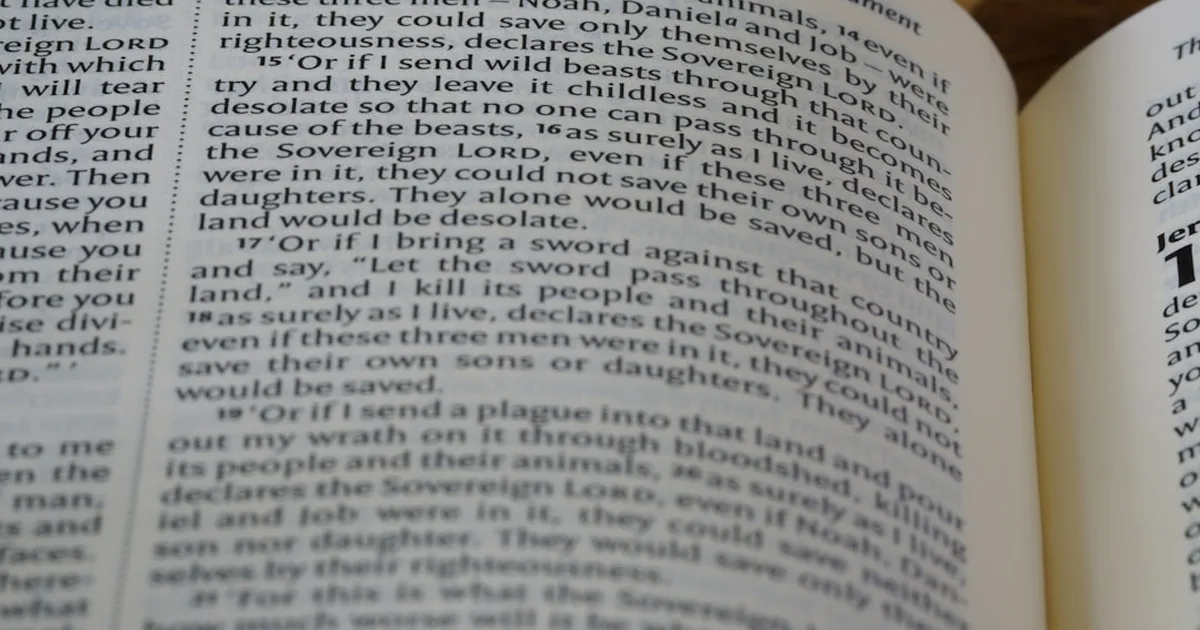
The Sacred Value of Human Life According to the Bible
The Bible affirms from its very first pages that human life is a sacred gift from God. In Genesis 1:27 we read: "So God created mankind in his own image, in the image of God he created them; male and female he created them." This fundamental truth establishes that every person possesses intrinsic dignity, regardless of physical or mental condition. Therefore, taking a human life—even to relieve suffering—violates God's exclusive right as the giver and sustainer of life.
The Sixth Commandment and Its Scope
The commandment "You shall not murder" (Exodus 20:13) is a direct prohibition of homicide. Although euthanasia is often presented as an act of compassion, it remains the deliberate taking of a human life. The Judeo-Christian tradition has consistently interpreted this commandment as a defense of innocent life, including the sick and dying. Psalm 139:13-16 reminds us that God forms us in the womb and has a plan for every day of our lives: "For you created my inmost being; you knit me together in my mother's womb... All the days ordained for me were written in your book before one of them came to be." This underscores that the length of our lives is in God's hands, not ours.
Suffering and Christian Hope
Euthanasia is often promoted as a solution to avoid suffering. However, the Bible presents suffering as a reality that, though difficult, can have redemptive purpose. The apostle Paul writes in Romans 8:18: "I consider that our present sufferings are not worth comparing with the glory that will be revealed in us." Moreover, in 2 Corinthians 12:9, God tells Paul: "My grace is sufficient for you, for my power is made perfect in weakness." Suffering draws us closer to Christ, who suffered for us, and teaches us to depend on God.
Pastoral Care for the Sick
Scripture calls us to accompany those who suffer, not to end their lives. James 5:14-15 exhorts: "Is anyone among you sick? Let them call the elders of the church to pray over them and anoint them with oil in the name of the Lord. And the prayer offered in faith will make the sick person well." The Christian community should offer comfort, prayer, and palliative care that alleviates pain without resorting to death. Euthanasia, by contrast, cuts short the opportunity to experience God's grace in the midst of suffering and to witness to His love.
God's Sovereignty Over Life and Death
The Bible declares that God has absolute control over life and death. Deuteronomy 32:39 says: "See now that I myself am he! There is no god besides me. I put to death and I bring to life, I have wounded and I will heal, and no one can deliver out of my hand." Euthanasia usurps this divine authority by deciding the moment of death. As Christians, we believe that death is not the end but a door to eternity with God. Therefore, we face death with hope, not despair. Faith sustains us even in the darkest moments.
The Parable of the Good Samaritan as a Model
Jesus taught us to love our neighbor as ourselves (Mark 12:31). The parable of the Good Samaritan (Luke 10:25-37) shows that love for neighbor involves caring for the suffering, not abandoning them or ending their life. The Samaritan bandaged the wounds of the injured man and took him to a place of safety. Likewise, we are called to offer palliative care, emotional support, and spiritual accompaniment to the terminally ill. Euthanasia, on the other hand, represents a renunciation of that call to active love and compassion.
In summary, while the Bible does not directly address euthanasia, its teachings on the value of life, the purpose of suffering, and God's sovereignty guide us toward a stance that defends life until its natural end. As Christians, we are called to be light in the midst of pain, offering hope and care, not solutions that violate the sacred gift of life. May the Lord grant us wisdom and compassion to accompany those facing difficult decisions, always remembering that our hope is in Him.





Comments