
The decision between cremation and traditional burial is one that many Christians face with questions and sometimes uncertainty. Is cremation compatible with the Christian faith? Is there a Bible verse about cremation that guides us? In this article, we explore what the Bible actually says on the matter, setting aside myths and human traditions. Our goal is to offer a pastoral and balanced perspective, remembering that as followers of Christ, our hope is not in the fate of our physical remains, but in the resurrection God has promised.
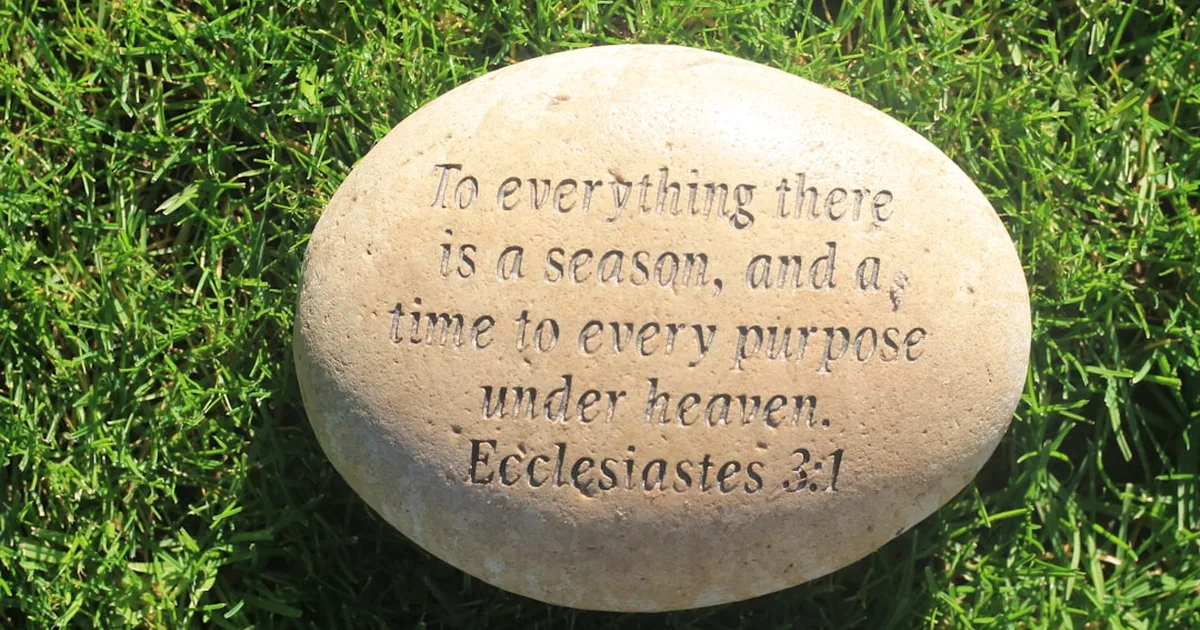
The Bible and Cremation: What Do We Find in Scripture?
When searching for a Bible verse about cremation, it's important to note that the Bible neither explicitly forbids nor approves of the practice. In the Old Testament, burial was the common custom among the Israelites, but we also find instances of cremation, though usually associated with judgment or dishonor (Joshua 7:25). However, in the New Testament, the emphasis is on the resurrection of the body, not the method of disposing of remains. The apostle Paul reminds us in 1 Corinthians 15:42-44 (NIV): "So will it be with the resurrection of the dead. The body that is sown is perishable, it is raised imperishable; it is sown in dishonor, it is raised in glory; it is sown in weakness, it is raised in power; it is sown a natural body, it is raised a spiritual body." This passage teaches us that the body that is buried or cremated is like a seed that God will transform into a glorious body.
"For dust you are and to dust you shall return" (Genesis 3:19, NIV).
This verse, spoken after the Fall, reminds us of our mortal condition. Both burial and cremation fulfill this truth: our bodies return to dust. Cremation simply accelerates the natural process. The key is that for God, there is no limit to His power to raise believers, regardless of the state of their remains.
Jesus' Burial as an Example
Some Christians argue that since Jesus was laid in a tomb, burial is the model to follow. However, it's crucial to understand that Jesus' burial was necessary to fulfill prophecies and demonstrate His physical resurrection. There is no biblical command requiring all believers to be buried. Christ's resurrection is our hope, not the method of burial.
Cremation in Church History
For centuries, the early Christian church preferred burial, partly to distinguish itself from pagan cremation practices. However, since the 20th century, many Christian denominations have accepted cremation, especially when it does not contradict faith in the resurrection. The Catholic Church, for example, allowed cremation in 1963, as long as it is not chosen for reasons contrary to the faith. Today, most evangelical churches also accept it.
Practical and Pastoral Considerations
When deciding between cremation and burial, it's important to consider factors such as cost, cemetery space, the wishes of the deceased, and family tradition. What matters most is that the decision is made with faith and respect, honoring God and the loved one. The Bible calls us to care for our bodies as temples of the Holy Spirit (1 Corinthians 6:19-20), but that applies to our lives, not to what happens after death.
Frequently Asked Questions About Cremation
Can Christians be cremated?
Yes, cremation is an acceptable option for Christians, as long as it is done with respect and without denying the doctrine of the resurrection.
Does cremation prevent resurrection?
No. God has the power to raise believers regardless of what happened to their remains.





Comments