
When we gather as believers, whether in grand cathedrals or humble living rooms, something sacred happens. Our worship becomes more than just songs and prayers—it becomes a living expression of our relationship with God. Throughout Christian history, communities have developed patterns of worship that help us connect with the divine, remember God's faithfulness, and encourage one another in faith. These patterns, what we might call liturgy, aren't about rigid formulas but about creating spaces where God's presence can be experienced and celebrated.
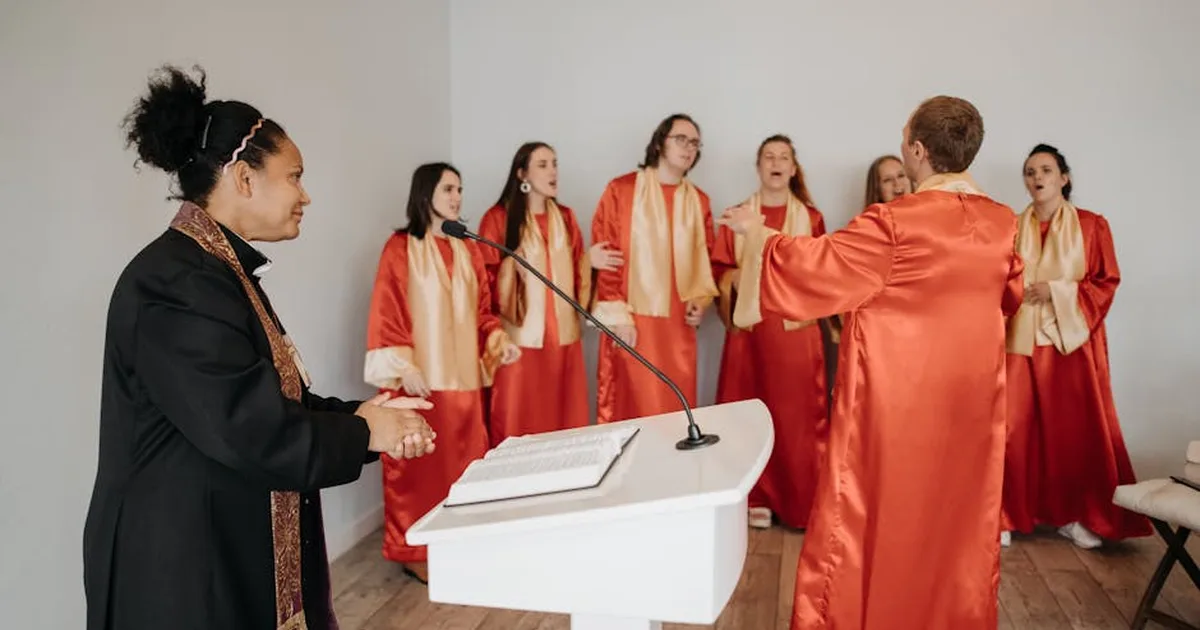
Think about the early church described in Acts 2:42: "They devoted themselves to the apostles' teaching and to fellowship, to the breaking of bread and to prayer." This wasn't a random collection of activities but a purposeful rhythm of gathering that nurtured their young faith. Today, our worship continues this tradition, adapting to different cultures and times while remaining rooted in the same essential purposes: to glorify God, to build up believers, and to witness to the world.
Music has always been central to this experience. From the Psalms that guided Israel's worship to the hymns that sustained persecuted Christians, melodies and lyrics have carried our deepest longings and highest praises. As Paul encouraged the Ephesians: "Speak to one another with psalms, hymns, and songs from the Spirit. Sing and make music from your heart to the Lord" (Ephesians 5:19, NIV). This isn't just about musical performance but about creating a shared language of faith that transcends our individual experiences.
Finding Balance in Worship Expression
In many Christian communities today, conversations about worship often center on finding the right balance between tradition and innovation. Some congregations cherish ancient hymns passed down through generations, while others embrace contemporary songs that speak to current experiences. The truth is, both have valuable roles in helping us worship authentically. Traditional hymns connect us to the "great cloud of witnesses" (Hebrews 12:1) who have gone before us, reminding us that our faith stands on foundations laid by centuries of believers.
Contemporary worship music, when thoughtfully selected, can help us express our faith in language that resonates with today's realities. The key isn't choosing one over the other but asking: "Does this music help us encounter God? Does it teach sound theology? Does it unite our community in worship?" As the Psalmist declares: "Sing to the Lord a new song; sing to the Lord, all the earth" (Psalm 96:1, ESV). God delights in both the ancient and the new when offered with sincere hearts.
Practical considerations matter too. Worship leaders and pastors often think about how different elements flow together—how a song of confession might prepare us for hearing God's word, or how a hymn of sending might equip us for service in the world. This thoughtful arrangement isn't about creating perfect performances but about creating pathways for people to meet God. It's about removing distractions and building bridges so that everyone present, regardless of musical background or theological training, can participate meaningfully.
The Pastor's Role in Guiding Worship
While worship teams and musicians play crucial roles, pastors have a special responsibility in shaping congregational worship. Their leadership goes beyond choosing songs or planning services—it involves helping communities understand why we worship as we do. A pastor's teaching can illuminate how our Sunday gatherings connect to our daily lives, showing how worship forms us as disciples throughout the week.
Consider how worship prepares us for service. When we sing "Here I Am, Lord" or "Take My Life and Let It Be," we're not just enjoying beautiful melodies—we're making commitments that should shape how we live. The pastor helps connect these moments to practical discipleship, reminding us that worship isn't an escape from the world but preparation for engaging it with Christ's love. As James reminds us: "Do not merely listen to the word, and so deceive yourselves. Do what it says" (James 1:22, NIV).
Pastors also help congregations navigate changes in worship practices with grace and wisdom. Whether introducing new songs, adjusting service patterns, or incorporating different expressions of worship, pastoral leadership ensures these changes serve the congregation's spiritual growth rather than personal preferences. This requires listening to the community's needs, understanding its history, and gently guiding toward practices that deepen everyone's faith.
Creating Worship That Transforms
Effective worship does more than make us feel good—it transforms us. It reshapes our understanding of God, reorients our priorities, and renews our commitment to follow Jesus. This transformation happens when worship engages our whole selves: our minds through sound teaching, our hearts through meaningful music, our wills through responsive commitment, and our bodies through active participation.
One practical approach involves considering the "arc" of worship—how different elements work together to tell the story of God's grace. Many traditions follow a pattern of gathering, hearing God's word, responding, and being sent. This isn't arbitrary but reflects the biblical pattern of encounter and response we see throughout Scripture. When we gather, we acknowledge God's call. When we hear Scripture read and preached, we listen for God's voice. When we respond through prayer, song, and offering, we answer that call. When we're sent, we carry God's blessing into the world.
Music serves this arc beautifully. Songs of adoration help us focus on God's character. Songs of confession create space for honesty before God. Songs of assurance remind us of God's forgiveness. Songs of dedication help us offer our lives anew. Songs of mission equip us for service. When chosen thoughtfully and placed intentionally, music becomes more than entertainment—it becomes a vehicle for spiritual formation.
Encouragements for Today's Worshiping Communities
Despite challenges facing many churches today, there are significant reasons for hope in how Christians worship. Across denominations and cultures, there's growing appreciation for worship that is both rooted in tradition and responsive to contemporary needs. Many congregations are discovering creative ways to blend different musical styles, involve diverse voices in leadership, and connect Sunday worship with Monday-through-Saturday discipleship.
The global church offers particular inspiration. As Christianity grows in Africa, Asia, and Latin America, new worship expressions are enriching the whole body of Christ. These communities remind us that worship belongs to all cultures and that God receives praise in countless musical languages and liturgical forms. This diversity reflects Revelation's vision of "every nation, tribe, people and language" worshiping together (Revelation 7:9, NIV).
Local churches also show remarkable resilience in adapting worship during difficult times. Whether facing persecution, natural disasters, or pandemic restrictions, Christian communities have found ways to worship meaningfully. This adaptability demonstrates that while our forms of worship may change, the heart of worship—honoring God and building up believers—remains constant. It's a reminder that God seeks worshipers who worship "in the Spirit and in truth" (John 4:24, ESV), regardless of circumstances.
Practical Steps Toward Deeper Worship
For those involved in planning or participating in worship, several practical principles can help create more meaningful experiences. First, prioritize theological substance over stylistic preference. Whether a song is ancient or modern matters less than whether it faithfully presents God's character and work. Second, consider your specific congregation's needs and context. What helps these particular people connect with God? What musical and liturgical forms are accessible and meaningful to them?
Third, create space for both celebration and contemplation. Worship should include joyful praise but also quiet reflection, corporate declaration but also personal response. Fourth, involve diverse voices in planning and leading. Different perspectives can help worship resonate with more people and reflect the full body of Christ. Fifth, connect worship to mission. Help people see how Sunday gatherings equip them for Monday-through-Saturday service in their families, workplaces, and communities.
Finally, remember that worship planning requires both preparation and flexibility. Prepare thoughtfully so services flow smoothly and purposefully, but remain open to the Spirit's leading in the moment. The best worship plans create structure without stifling spontaneity, offering guidance while leaving room for God to surprise us.
"Let the word of Christ dwell in you richly, teaching and admonishing one another in all wisdom, singing psalms and hymns and spiritual songs, with thankfulness in your hearts to God." (Colossians 3:16, ESV)
Reflection and Application
As you think about worship in your own faith community, consider these questions: What elements of your current worship practices most help you connect with God? Are there aspects that could be strengthened or adjusted to serve your community better? How does your Sunday worship prepare you for faithful living throughout the week? Remember that worship isn't about achieving perfection but about offering our sincere selves to God, trusting that God receives our imperfect offerings and transforms them through grace.
Perhaps take a moment this week to reflect on a worship song or practice that has been particularly meaningful in your spiritual journey. Share that story with someone in your faith community. Or, if you're involved in planning worship, have a conversation with someone from a different generation or background about what helps them worship authentically. These simple steps can deepen our appreciation for how God works through diverse expressions of praise and draw us closer together as we seek God's face.





Comments