
Divorce is a painful reality that many Christian couples face. While the church often discusses remarriage to a new partner, the possibility of a divorced couple reuniting is less explored. Yet Scripture offers clear guidance on this topic, emphasizing reconciliation as a beautiful expression of God's redemptive work. This article examines what the Bible says about a divorced couple remarrying each other, providing pastoral wisdom for those considering this path.
When a marriage ends, the wounds can run deep. But God's grace is deeper still. For some couples, the years apart bring growth, healing, and a renewed commitment to faith. The question then arises: Is it permissible to remarry the same person? The answer, as we'll see, depends on several biblical and practical factors.
What Does Scripture Say About Reconciliation?
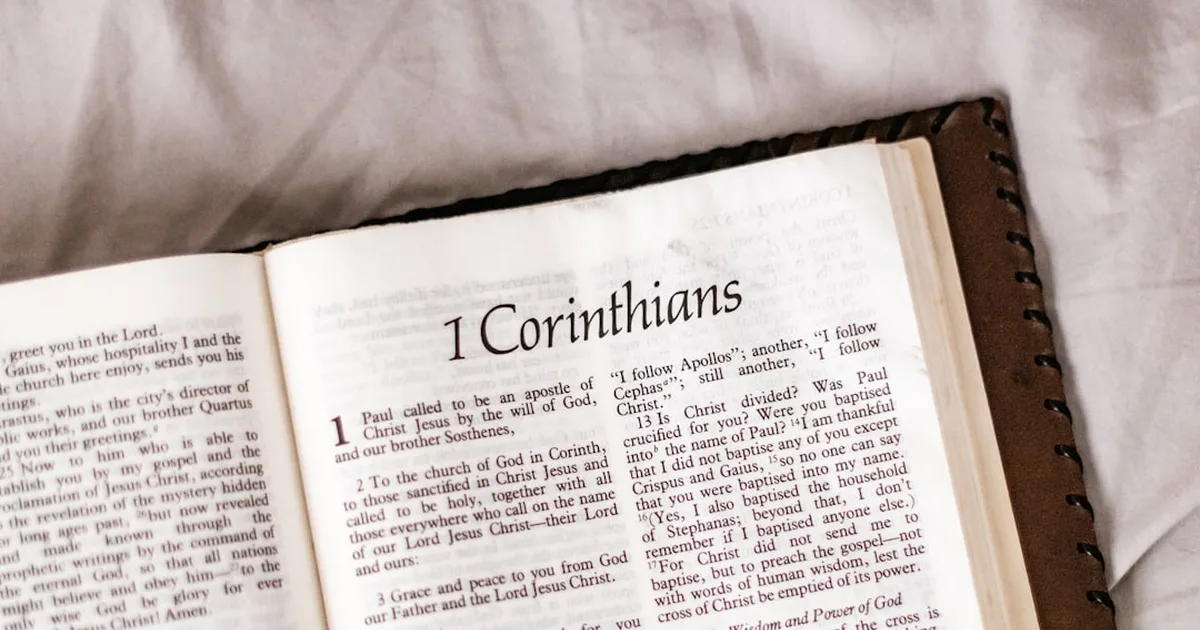
The apostle Paul directly addresses the possibility of a divorced couple getting back together. In 1 Corinthians 7:10–11, he writes:
To the married I give this charge (not I, but the Lord): the wife should not separate from her husband (but if she does, she should remain unmarried or else be reconciled to her husband), and the husband should not divorce his wife. (ESV)
Paul's instruction is clear: separation is not ideal, but if it happens, the preferred outcome is reconciliation. This passage implies that remarrying one's former spouse is not only permitted but encouraged, provided both parties remain unmarried. The same principle is echoed in Jesus' teaching on divorce in Matthew 19:9, where remarriage after an unbiblical divorce is considered adultery. Thus, the right course for many divorced couples is to seek restoration rather than pursuing a new marriage.
When Remarriage Is Not an Option
While reconciliation is the ideal, there are situations where remarrying a former spouse is biblically prohibited. The most significant barrier is if either party has married someone else. Deuteronomy 24:1–4 forbids a woman from returning to her first husband after she has been married to another man. This principle applies to both genders and remains relevant today.
Consider the case of Deb, who sought counsel about divorcing her second husband to return to her first. Despite her regrets, Scripture makes it clear that she is not free to do so. Her calling is to invest in her current marriage, trusting that God can redeem even a union that began in sin (see 2 Samuel 12:24–25, where David and Bathsheba's marriage, born from adultery, was blessed by God).
Practical Steps for Couples Considering Remarriage
If both former spouses are unmarried and genuinely seeking God's will, remarriage can be a beautiful testimony of grace. However, careful discernment is needed. Here are key questions to guide the process.
Are Both Walking in the Spirit?
Galatians 5:16 calls believers to walk by the Spirit, producing fruit like love, joy, peace, patience, kindness, goodness, faithfulness, gentleness, and self-control. Before considering remarriage, each person should examine their spiritual condition. Have they grown in faith since the divorce? Are they actively involved in a church community? If one former spouse is not walking closely with the Lord, it may be wise to wait and pray for their spiritual growth (see 1 Corinthians 7:39 and Deuteronomy 7:3 for principles about unequal spiritual bonds).
What Has Changed?
Reconciliation requires more than nostalgia. Couples must honestly assess what led to the divorce and what has changed. Have underlying issues like communication breakdowns, infidelity, or unresolved conflict been addressed? Professional counseling, both individual and joint, can help uncover patterns and build healthier dynamics. Without real change, remarriage may repeat the same mistakes.
Is There Support from the Church Community?
Remarriage after divorce is not a private decision. The church community can provide accountability, prayer, and wisdom. Involving pastors, mentors, or a small group can help couples discern God's timing and ensure they are not rushing into a decision based on emotion alone. Proverbs 15:22 reminds us, "Without counsel plans fail, but with many advisers they succeed."
Biblical Examples of Restoration
The Bible contains powerful stories of restored relationships. The book of Hosea is a striking picture of God's relentless love for His unfaithful people. Hosea is commanded to marry Gomer, a woman who repeatedly leaves him, yet God calls Hosea to take her back (Hosea 3:1). This illustrates God's heart for reconciliation and His ability to heal broken marriages.
Another example is the relationship between David and Michal, though it ended tragically due to unresolved issues (2 Samuel 6). Their story warns that reconciliation without genuine repentance and change can lead to further pain. Couples must approach remarriage with humility and a willingness to seek God's healing.
Practical Application: A Path Forward
If you are a divorced person considering remarriage to your former spouse, here are steps to take:
- Pray earnestly, asking God to reveal His will and to prepare your hearts.
- Seek biblical counseling from a pastor or Christian counselor who can guide you through the process.
- Be patient. Do not rush into remarriage; allow time for growth and healing.
- Involve your church community for support and accountability.
- If either party has remarried, honor that commitment and do not pursue reconciliation with the first spouse.
Remarriage after divorce is not a sin when done according to biblical principles. It can be a powerful witness to God's grace and the possibility of new beginnings. As you consider this path, remember that God's desire is for marriages to reflect His covenant love—faithful, enduring, and redemptive.
Reflection question: How might God be inviting you to experience His grace through the journey of reconciliation?





Comments