
In recent years, researchers have documented an unprecedented political and ideological split between young men and women. Generation Z shows the widest gender gap in political views ever recorded, with young women leaning significantly more liberal than their male counterparts. This divide extends beyond politics into areas like religion, relationships, and daily life. As Christians, we are called to be agents of reconciliation, yet this chasm challenges our ability to connect across differences.
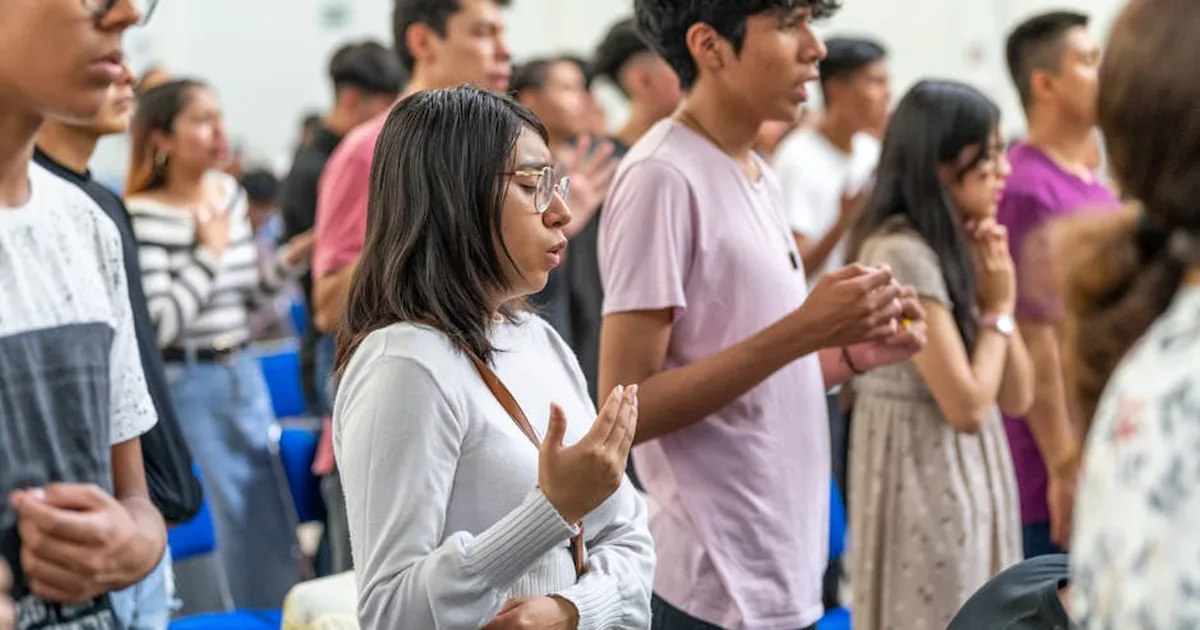
What is driving this separation? While many point to feminism or toxic masculinity, the deeper forces are more systemic. The digital world amplifies natural differences between men and women, pushing them into separate echo chambers. Young men gravitate toward competitive, information-driven platforms, while young women seek aesthetic, relational spaces online. Without intentional cross-gender interaction, these silos harden into worldviews that rarely intersect.
The church has a unique opportunity to model a different way. In Christ, there is neither male nor female, yet our differences are not erased but redeemed. By creating spaces where men and women can learn from each other, we can demonstrate that unity does not require uniformity.
The Role of Technology in Polarization
Technology is not neutral; it shapes how we see ourselves and others. Algorithms feed us content that reinforces our biases, and the anonymity of screens can reduce people to caricatures. For young men, the rise of the manosphere offers validation but often at the cost of empathy. For young women, social media can foster comparison and anxiety rather than authentic connection.
Yet the problem is not technology itself but our relationship with it. The Bible warns against being conformed to the patterns of this world (Romans 12:2). We are called to renew our minds, which includes being intentional about what we consume online. The church can help by teaching digital discernment and encouraging real-world relationships that transcend screen-mediated interactions.
Practical Steps for Digital Discipleship
First, we can model healthy use of technology in our own lives. This means setting boundaries, such as device-free meals or Sabbath rests from social media. Second, we can create offline communities where men and women work together on shared goals, like service projects or small groups. Third, we can speak prophetically about the dehumanizing aspects of online culture while affirming the good that technology can bring.
Do not be conformed to this world, but be transformed by the renewal of your mind. — Romans 12:2 (ESV)
Rediscovering God's Design for Relationship
At the heart of the gender divide is a loss of vision for what it means to be male and female as God intended. Genesis 1:27 tells us that God created humanity in his image, male and female. This complementarity is not a source of conflict but a reflection of God's own relational nature. When we reject or diminish these differences, we lose part of the image of God.
Modern culture often presents gender as a social construct or a source of oppression. While it is true that sin has corrupted relationships, the original design is good. The church must recover a theology of embodiment that honors both the equality and the distinction of the sexes. This does not mean enforcing rigid roles but celebrating how our differences can enrich community.
Healing Through Humility and Listening
Bridging the divide requires humility. Each side must be willing to listen without defensiveness. For men, this may mean acknowledging how patriarchy has harmed women. For women, it may mean understanding the unique pressures men face in a culture that often devalues traditional masculinity. The cross of Christ is the ultimate model of self-giving love that lays down power for the sake of the other.
Practical ways to foster healing include mixed-gender Bible studies that address topics like identity, relationships, and calling. Churches can also host workshops on communication skills, conflict resolution, and emotional intelligence. By creating safe spaces for honest dialogue, we can begin to break down the walls of hostility.
Hope for a Unified Future
Despite the grim statistics, there is reason for hope. Many young people are hungry for authentic community and are disillusioned with the polarization they see online. The church, when it is faithful, offers a vision of belonging that transcends political labels and gender stereotypes. In Christ, we are one body with many members, each essential to the whole (1 Corinthians 12:12-27).
This unity does not mean erasing differences but integrating them into a harmonious whole. Just as a choir requires different voices to create a beautiful sound, the church needs men and women to contribute their unique perspectives. When we learn to value the other as a gift, we reflect the love of the triune God.
Let us commit to being peacemakers in a divided world. Start by reaching out to someone of the opposite gender with whom you disagree. Listen to their story. Pray together. You may be surprised at what God can do when we take the first step toward understanding.
There is neither Jew nor Greek, there is neither slave nor free, there is no male and female, for you are all one in Christ Jesus. — Galatians 3:28 (ESV)
Reflection question: How can you this week intentionally build a bridge with someone from a different background or perspective, trusting that God can use your small step to heal a larger divide?





Comments