
When people ask about the difference between Christian vs Catholic, they often assume these are two entirely separate religions. In reality, Catholicism is a historic branch of Christianity, and all Catholics are Christians, though not all Christians are Catholic. This article explores the historical development, key beliefs, and practical ways to foster unity without losing distinct identities.
Historical Roots: How Did the Divisions Begin?
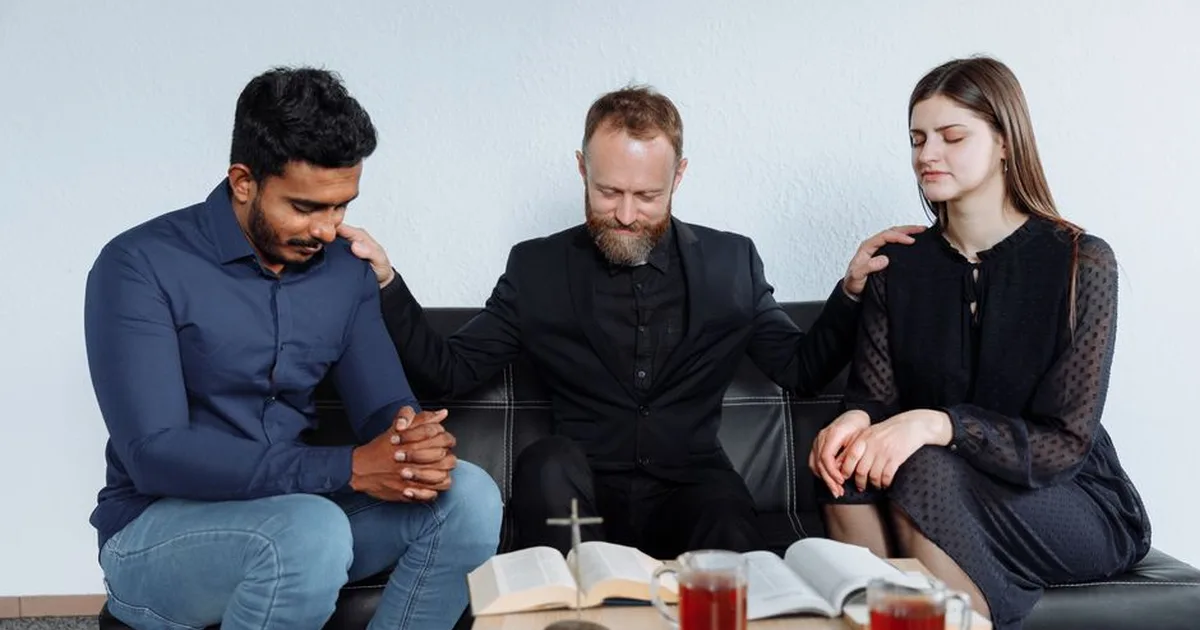
The Christian faith began with Jesus Christ and his apostles in the first century. For over a thousand years, the Western Church was united under the leadership of the Bishop of Rome (the Pope). However, in 1054 AD, the Great Schism divided the Church into Roman Catholicism and Eastern Orthodoxy. Later, in the 16th century, the Protestant Reformation led to the emergence of numerous denominations, including Lutherans, Baptists, Methodists, and others. These groups are collectively referred to as Protestants, and they share many core beliefs with Catholics while differing on certain doctrines and practices.
The Role of Scripture and Tradition
One key difference is the source of authority. Catholics hold that divine revelation is found in both Scripture and Sacred Tradition, as interpreted by the Magisterium (the Church's teaching authority). Many Protestant denominations adhere to sola scriptura (Scripture alone), believing the Bible is the ultimate authority for faith and practice. Despite this, both groups affirm the Bible as God's inspired Word and use it for teaching and guidance (2 Timothy 3:16-17).
Beliefs and Practices: Similarities and Distinctions
At the heart of both Christian and Catholic faith is the belief in one God, the Trinity (Father, Son, and Holy Spirit), the divinity of Jesus Christ, his death for our sins, and his bodily resurrection. Both affirm salvation by grace through faith (Ephesians 2:8-9) and the importance of baptism and the Lord's Supper (Communion). However, there are differences in how these are understood and practiced.
The Sacraments
Catholics recognize seven sacraments: Baptism, Confirmation, Eucharist, Penance (Confession), Anointing of the Sick, Holy Orders, and Matrimony. Many Protestant traditions recognize only two (Baptism and Communion) as sacraments instituted by Christ, though they may practice other rites. The Eucharist is central to Catholic worship, believed to be the actual body and blood of Christ (transubstantiation). Most Protestants view Communion as a symbolic memorial of Christ's sacrifice.
The Role of Mary and the Saints
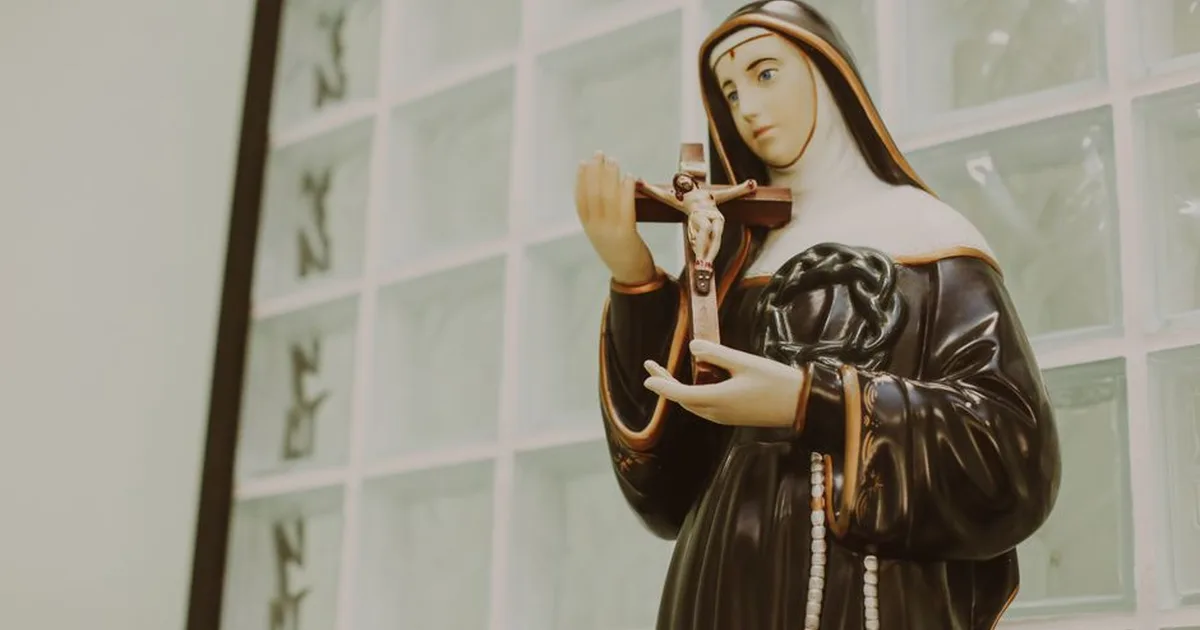
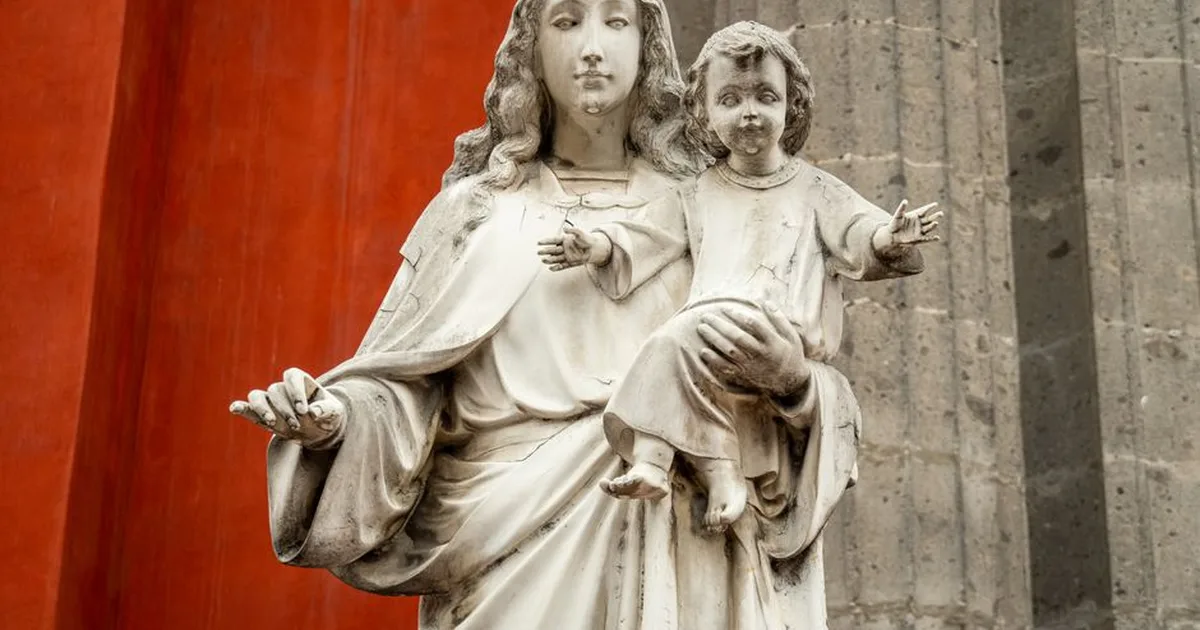
Catholics venerate Mary as the Mother of God and honor saints as intercessors, asking them to pray for the living. This practice is based on the belief that the saints in heaven are alive in Christ and can intercede (Revelation 5:8). Many Protestants honor Mary as the mother of Jesus but do not pray to her or to saints, emphasizing Christ as the sole mediator (1 Timothy 2:5). This difference often leads to misunderstanding, but both groups affirm Mary's unique role in salvation history.
Practical Application: Building Bridges, Not Walls
In a world divided by labels, Christians and Catholics can focus on what unites them: faith in Jesus Christ. Here are some practical ways to foster respect and unity:
- Study the Bible together, focusing on passages that emphasize love and unity (John 17:20-23).
- Participate in joint community service projects, such as feeding the hungry or visiting the sick.
- Attend each other's worship services to understand and appreciate different traditions.
- Engage in respectful dialogue, asking questions rather than making assumptions.
Common Misconceptions
Many people think Catholics worship Mary or the Pope, but Catholics worship God alone. The Pope is a spiritual leader, not a divine figure. Similarly, some believe Protestants reject all tradition, but many value historical creeds and teachings that align with Scripture. By clearing up these misconceptions, we can move from suspicion to friendship.
Conclusion: One Body in Christ
The question of Christian vs Catholic is not about superiority but about understanding our shared heritage and distinct calls within the body of Christ. As the Apostle Paul wrote, “There is one body and one Spirit, just as you were called to the one hope of your calling” (Ephesians 4:4). Whether you identify as Catholic or Protestant, your identity in Christ is what matters most. Let us strive to love one another, learn from each other, and together bear witness to the gospel.
Reflection question: How can you take one step this week to build a bridge of understanding with a Christian from a different tradition?

Comments