
Have you ever wondered about the difference between Catholic vs Christian? This is a common question, especially for those exploring the vast landscape of Christian faith. At EncuentraIglesias.com, we believe that understanding our shared history can deepen our appreciation for each other. While the terms are often used interchangeably, they carry distinct meanings that reflect centuries of tradition, theology, and community. In this article, we will explore the origins, beliefs, and practices that unite and distinguish Catholics and other Christians, always with a spirit of ecumenical warmth.
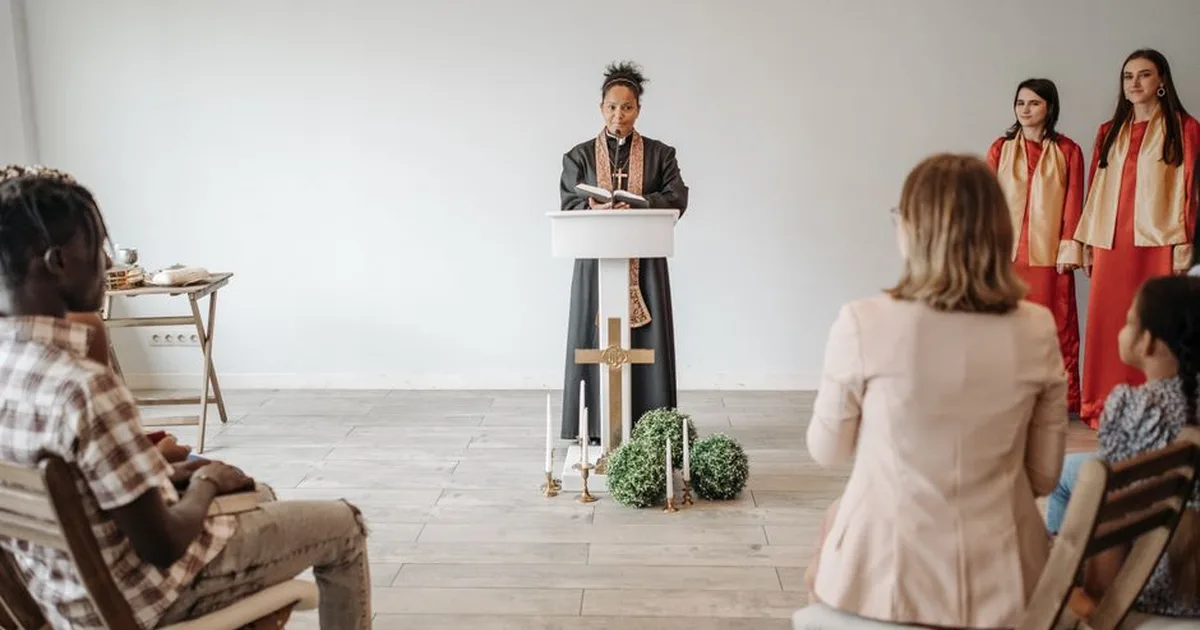
What Do 'Catholic' and 'Christian' Mean?
At its core, the word 'Christian' refers to anyone who follows Jesus Christ. The term first appeared in Antioch, as recorded in Acts 11:26: 'And in Antioch the disciples were first called Christians.' All Catholics are Christians, but not all Christians are Catholic. The word 'Catholic' comes from the Greek 'katholikos,' meaning 'universal.' It was used in the early Church to describe the one, holy, catholic, and apostolic Church confessed in the Nicene Creed.
The Early Church: One Body
For the first thousand years of Christianity, the Church was largely united, though diverse in local customs. The Great Schism of 1054 divided the Church into Eastern Orthodox and Roman Catholic branches. Later, the Protestant Reformation in the 16th century led to the formation of many denominations, including Lutherans, Anglicans, and Reformed churches. Today, the term 'Christian' encompasses Catholics, Orthodox, Protestants, and others who confess Jesus as Lord.
Key Differences and Shared Beliefs
When discussing Catholic vs Christian, it's helpful to focus on what we hold in common. All Christians affirm the Nicene Creed, the divinity of Christ, the authority of Scripture, and the hope of salvation through grace. Catholics, however, also uphold the authority of the Pope, the seven sacraments, and the veneration of saints. These differences are important but should not overshadow our unity in Christ.
Scripture and Tradition
Both Catholics and Protestants revere the Bible as God's Word. However, Catholics include the deuterocanonical books (often called the Apocrypha) in their canon, while most Protestants do not. Catholics also hold that Sacred Tradition, passed down from the apostles, is equally authoritative. As 2 Thessalonians 2:15 says, 'So then, brothers and sisters, stand firm and hold fast to the traditions that you were taught by us, either by word of mouth or by our letter.'
The Role of the Pope
One of the most distinctive features of Catholicism is the papacy. Catholics believe the Pope, as the successor of Peter, has a unique role in guiding the universal Church. When Pope Francis passed away in April 2025, he was succeeded by Pope León XIV, elected in May 2025. Other Christian traditions do not recognize papal authority, instead emphasizing local church governance or conciliar leadership.
Practical Applications for Today
Understanding the Catholic vs Christian dynamic can enrich our personal faith and our relationships with fellow believers. Here are a few ways to apply this knowledge:
- Engage in respectful dialogue: Ask questions about others' traditions with genuine curiosity. For example, you might ask a Catholic friend about the meaning of the Eucharist, or a Protestant friend about their view of Scripture alone.
- Attend services from different traditions: Visit a Catholic Mass, a Protestant worship service, or an Orthodox Divine Liturgy. Notice the similarities in prayer, praise, and the reading of Scripture.
- Focus on common ground: In a world divided by many issues, Christians can unite around the core message of the Gospel: 'For God so loved the world, that he gave his only Son, that whoever believes in him should not perish but have eternal life' (John 3:16, ESV).
Conclusion: Unity in Diversity
The question of Catholic vs Christian is not about who is 'right' or 'wrong,' but about understanding the beautiful tapestry of Christian history. As the body of Christ, we are many members but one body (1 Corinthians 12:12). Whether you identify as Catholic, Protestant, or simply Christian, your faith is part of a larger story that began with Jesus and continues today.
'There is one body and one Spirit—just as you were called to the one hope that belongs to your call—one Lord, one faith, one baptism.' — Ephesians 4:4-5 (ESV)
As you continue your spiritual journey, consider this reflection: How can I better understand and love my brothers and sisters in Christ who express their faith differently than I do?

Comentarios