
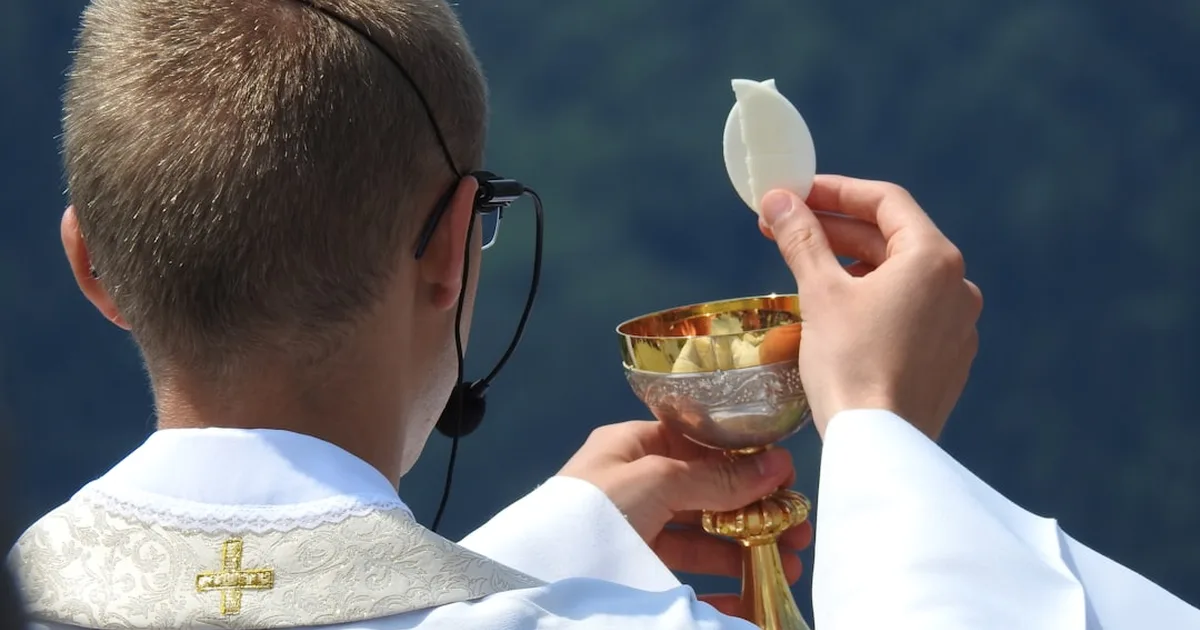
First Holy Communion is the first time a Catholic receives the Eucharist—the Body and Blood of Jesus Christ—under the appearances of bread and wine. This sacrament is the source and summit of our faith, uniting us intimately with Christ and with the whole Church. It is a joyful milestone in a Catholic's spiritual journey, often celebrated with family and community.
Who Can Receive First Communion?
Typically, children make their First Communion around the age of 7 or 8, when they reach the “age of reason” and can understand basic teachings about the Eucharist. However, the Church also warmly welcomes adults who have never received the sacrament—through the Rite of Christian Initiation for Adults (RCIA) or similar parish programs. Whether you are a parent preparing a child or an adult seeking to receive the Eucharist for the first time, you are invited to take this step of faith.
The Meaning of First Communion
The Eucharist is not merely a symbol; Catholics believe it is truly Jesus—Body, Blood, Soul, and Divinity. Receiving Holy Communion nourishes our souls, forgives venial sins, strengthens our union with Christ and the Church, and gives us a foretaste of eternal life. First Communion is the beginning of a lifelong relationship with Jesus in the Eucharist.
Preparation for First Communion
For Children
Preparation usually takes place through parish-based catechesis, often called “First Communion classes.” Children typically attend for one to two years, depending on the parish program. The preparation includes:
- Learning about God's love, Jesus, and the Church
- Understanding the Mass and the Real Presence
- Memorizing basic prayers (Our Father, Hail Mary, Glory Be)
- Participating in the Sacrament of Reconciliation (First Confession) before First Communion
- Practicing receiving the host (or both species, if offered)
Most parishes require the child to be baptized before enrolling in First Communion preparation. If your child is not yet baptized, you will need to arrange for Baptism first (often through a separate preparation process).
For Adults
If you are an adult who has never received First Communion, the process is typically part of the RCIA or a similar adult initiation program. You will learn about the Catholic faith, the sacraments, and the Eucharist, and you will usually receive Baptism, Confirmation, and First Communion together at the Easter Vigil (if not already baptized). Contact your local parish to inquire about adult formation opportunities.
Practical Requirements
While exact requirements vary by parish, here are common items you may be asked to provide:
- Baptismal Certificate: If the child (or adult) was baptized in another parish, you'll need to request a copy. For those baptized in the same parish, they may have it on file.
- Enrollment in Catechesis: Proof of regular attendance in religious education classes (usually weekly or bi-weekly).
- Sacrament of Reconciliation: Participation in First Confession is often required before First Communion.
- Registration Form: Most parishes have a simple form to fill out with contact and demographic information.
- Participation in Mass: Some parishes require regular attendance at Sunday Mass during the preparation period.
Important: Requirements, documents, timelines, and any offerings vary by parish, diocese, and country. Please confirm the specifics with your local parish well in advance.
What Happens on the Day of First Communion
The celebration is typically a special Mass, often on a Sunday or a designated Saturday. Families and friends gather to witness the children (or adults) receive the Eucharist for the first time. Customs may include:
- Wearing white attire (a white dress for girls, a suit or white shirt for boys) as a symbol of purity and new life.
- Procession into the church with the children.
- Renewal of baptismal promises.
- Presentation of a certificate, a small gift (like a rosary or a prayer book), and sometimes a reception afterward.
The focus is on the sacrament itself, not just the celebration. Encourage your child (or yourself) to pray and prepare spiritually for this sacred moment.
Frequently Asked Questions
What is the right age for First Communion?
The Church encourages children to receive First Communion around the age of reason, usually 7 or 8. However, adults can receive at any age through the proper preparation process.
What documents do I need to provide?
Typically, a baptismal certificate and proof of enrollment in catechesis. Some parishes may also ask for a copy of the child's birth certificate. Check with your parish for their specific list.
Do I need a godparent for First Communion?
Godparents are not required for First Communion itself, but they are for Baptism. If your child was baptized with godparents, those same godparents are often involved in the First Communion journey. Some parishes may ask for a sponsor (similar to a godparent) for adults preparing for the sacrament.
How much does it cost?
Many parishes offer First Communion preparation at no cost or a modest fee to cover materials. There is no set cost for the sacrament itself. If you have financial concerns, speak with your parish—they are usually happy to help.
Can an adult make their First Communion?
Absolutely. Adults who have never received the Eucharist are warmly welcomed. They typically prepare through the RCIA program and receive the sacrament at the Easter Vigil or another suitable Mass.
What if my child has special needs?
Parishes are committed to making the sacrament accessible. Speak with your parish's director of religious education or pastor about accommodations. Many parishes offer adapted catechesis and support.
Final Encouragement
First Holy Communion is a beautiful step in your faith journey. Trust in God's grace and the support of your parish community. Whether you are a parent guiding your child or an adult seeking the Eucharist, know that the Church rejoices with you. Contact your local parish to begin the process—they are there to help you every step of the way.
Find a church near you
The practical first step is to contact your local parish. EncuentraIglesias is a directory of 516,000+ churches across 14 countries — use it to find the nearest one and get in touch.


Comments