
In times of uncertainty, many of us seek a prayer that brings comfort and reminds us of God's boundless love. The Divine Mercy prayer is a powerful devotion that centers on trusting in Jesus' mercy, even when we feel unworthy. Rooted in the message of Saint Faustina Kowalska, this prayer has touched millions of hearts across Christian traditions. At EncuentraIglesias.com, we believe that prayer is a bridge to the heart of God, and the Divine Mercy prayer offers a simple yet profound way to experience His grace. Whether you are new to this devotion or have prayed it for years, this article will guide you into a deeper understanding of its beauty and how it can transform your daily life.
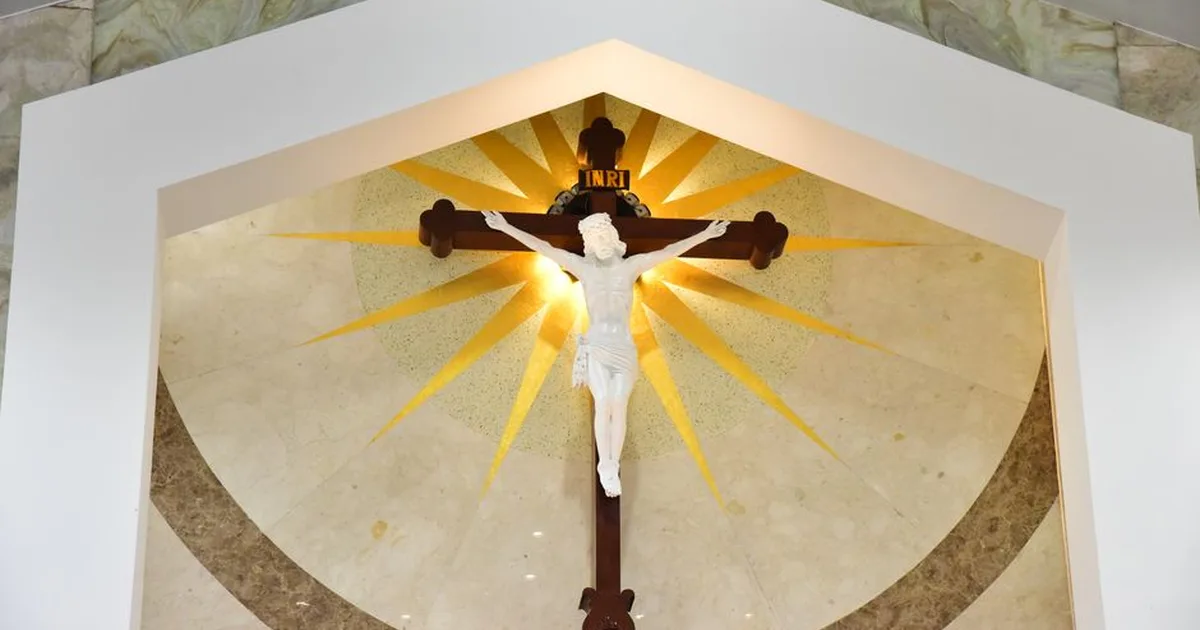
What Is the Divine Mercy Prayer?
The Divine Mercy prayer is not a single prayer but a collection of devotions inspired by the visions of Saint Faustina, a Polish nun who lived in the early twentieth century. Jesus appeared to her and asked that she spread the message of His unfailing mercy. The most well-known form is the Chaplet of Divine Mercy, which is prayed using a rosary. The core of the prayer is a simple plea: “For the sake of His sorrowful Passion, have mercy on us and on the whole world.” This petition is repeated throughout the chaplet, accompanied by the Our Father, Hail Mary, and the Apostles' Creed. The prayer emphasizes that God's mercy is available to everyone, no matter how great their sins.
The Origins of the Devotion
The message of Divine Mercy is rooted in Scripture. In the Gospel of John, Jesus tells His disciples, “Peace be with you. As the Father has sent me, even so I am sending you” (John 20:21, ESV). This peace is a gift of mercy, offered after the resurrection. Saint Faustina recorded her experiences in her diary, “Divine Mercy in My Soul,” which has become a spiritual classic. The devotion was later promoted by Pope John Paul II, who canonized Faustina and established Divine Mercy Sunday as a feast day. Today, Christians of many denominations find solace in this prayer, as it focuses on the universal theme of God's compassionate love.
How to Pray the Divine Mercy Prayer
Praying the Divine Mercy chaplet is simple and can be done alone or with others. You will need a rosary or your fingers to count the prayers. Begin with the Sign of the Cross, then pray one Our Father, one Hail Mary, and the Apostles' Creed. On the large beads, pray the Eternal Father prayer: “Eternal Father, I offer You the Body and Blood, Soul and Divinity of Your dearly beloved Son, Our Lord Jesus Christ, in atonement for our sins and those of the whole world.” On the ten small beads, pray: “For the sake of His sorrowful Passion, have mercy on us and on the whole world.” After completing five decades, conclude with the Holy God prayer three times: “Holy God, Holy Mighty One, Holy Immortal One, have mercy on us and on the whole world.”
Tips for a Meaningful Prayer Time
To make the Divine Mercy prayer a heartfelt experience, find a quiet place where you can focus. You may light a candle or hold a cross to center your thoughts. As you pray, imagine Jesus looking at you with love and compassion. Do not rush through the words; instead, let each petition sink into your heart. If your mind wanders, gently bring it back to the mercy of Christ. Many people pray the chaplet at three o'clock in the afternoon, the hour of Jesus' death, as a way to unite with His sacrifice. The key is consistency—even a few minutes each day can deepen your trust in God's mercy.
The Power of Divine Mercy in Daily Life
The Divine Mercy prayer is not just a ritual; it is a way of living. When we pray for mercy for ourselves and the whole world, we open our hearts to forgiveness and extend that forgiveness to others. This prayer can transform relationships, heal old wounds, and bring peace to anxious minds. In the Bible, Jesus teaches us to forgive as we have been forgiven (Matthew 6:14-15). The Divine Mercy prayer echoes this call, reminding us that mercy is a two-way street. As you pray, consider someone you need to forgive and ask God for the grace to let go of resentment.
Practical Application: Making Mercy a Habit
To integrate the Divine Mercy prayer into your routine, try setting a daily alarm for three o'clock. Use that moment to pause and recite the chaplet, even if you are at work or home. You can also pray it while commuting or during a break. Another idea is to keep a small image of the Divine Mercy in your wallet or on your phone as a visual reminder. The image shows Jesus with rays of red and white light streaming from His heart, symbolizing blood and water—the sources of mercy. Whenever you see it, whisper a short prayer: “Jesus, I trust in You.” Over time, these small acts build a habit of trust and gratitude.
Reflection and Call to Action
As you close this article, take a moment to reflect: In what area of your life do you most need to experience God's mercy today? Is it in a broken relationship, a hidden struggle, or a fear of the future? Bring that need to Jesus through the Divine Mercy prayer. Trust that He hears your cry and will respond with love. Consider sharing this devotion with a friend or family member who might be searching for hope. Together, we can build a community rooted in mercy, one prayer at a time.
“Blessed are the merciful, for they shall receive mercy.” — Matthew 5:7 (ESV)




Comments