
In our journey of faith, we encounter moments that challenge our understanding of what it means to honor God through our relationships and conversations. The Christian tradition holds a profound truth at its core: every human being bears the image of the divine Creator. As Genesis 1:27 reminds us, "So God created mankind in his own image, in the image of God he created them; male and female he created them" (NIV). This foundational belief shapes how we approach difficult topics that touch on the beginning, quality, and ending of human life. In today's complex world, where opinions often clash and emotions run high, how can we maintain both conviction and compassion in our discussions?

Pope Francis, who passed away in April 2025, often spoke about the "culture of encounter"—the need to meet others where they are with respect and openness. His successor, Pope León XIV (Robert Francis Prevost), continues this emphasis on dialogue within the global Christian community. At EncuentraIglesias.com, we embrace this ecumenical spirit, recognizing that Christians across traditions share common ground in valuing human dignity. Our challenge isn't simply holding positions but learning to communicate them in ways that build bridges rather than walls.
The Biblical Foundation for Human Dignity
Scripture provides a rich tapestry of insights about the value God places on human life. From the Psalms declaring we are "fearfully and wonderfully made" (Psalm 139:14, NIV) to Jesus' teaching that even the hairs on our heads are numbered (Matthew 10:30), the Bible consistently affirms each person's worth. The apostle Paul extends this vision in his letter to the Galatians: "There is neither Jew nor Gentile, neither slave nor free, nor is there male and female, for you are all one in Christ Jesus" (Galatians 3:28, NIV). This unity in Christ calls us to see beyond superficial differences to the inherent dignity of every individual.
When we consider life's beginning, the prophet Jeremiah records God saying, "Before I formed you in the womb I knew you, before you were born I set you apart" (Jeremiah 1:5, NIV). This intimate knowledge and purpose extends to all people, not just prophets. Similarly, Jesus' ministry consistently prioritized those society marginalized—the sick, the poor, children, and foreigners. His parable of the Good Samaritan (Luke 10:25-37) radically redefined who deserves our care and protection. These passages don't provide easy answers to modern ethical questions, but they establish a framework: every person matters to God, therefore every person should matter to us.
Practical Implications of Our Shared Dignity
If we truly believe all people bear God's image, this conviction should influence how we approach numerous aspects of community life. It means advocating for conditions that allow human flourishing—not just survival. The early church modeled this through sharing resources so "there were no needy persons among them" (Acts 4:34, NIV). While specific policy solutions may vary, the principle remains: a society that values life will seek to ensure adequate nutrition, safe housing, accessible healthcare, and protection for the vulnerable. As the book of Proverbs repeatedly emphasizes, "Speak up for those who cannot speak for themselves, for the rights of all who are destitute" (Proverbs 31:8, NIV).
This holistic concern extends throughout life's journey. The same God who forms us in the womb walks with us through childhood, adulthood, and aging. Ecclesiastes reminds us there is "a time to be born and a time to die" (Ecclesiastes 3:2, NIV), acknowledging life's natural rhythm while affirming God's presence in every season. When we face questions about medical ethics, end-of-life care, or social justice, we're called to apply our foundational belief in human dignity consistently, even when it challenges cultural norms or personal convenience.
Navigating Difficult Conversations with Grace
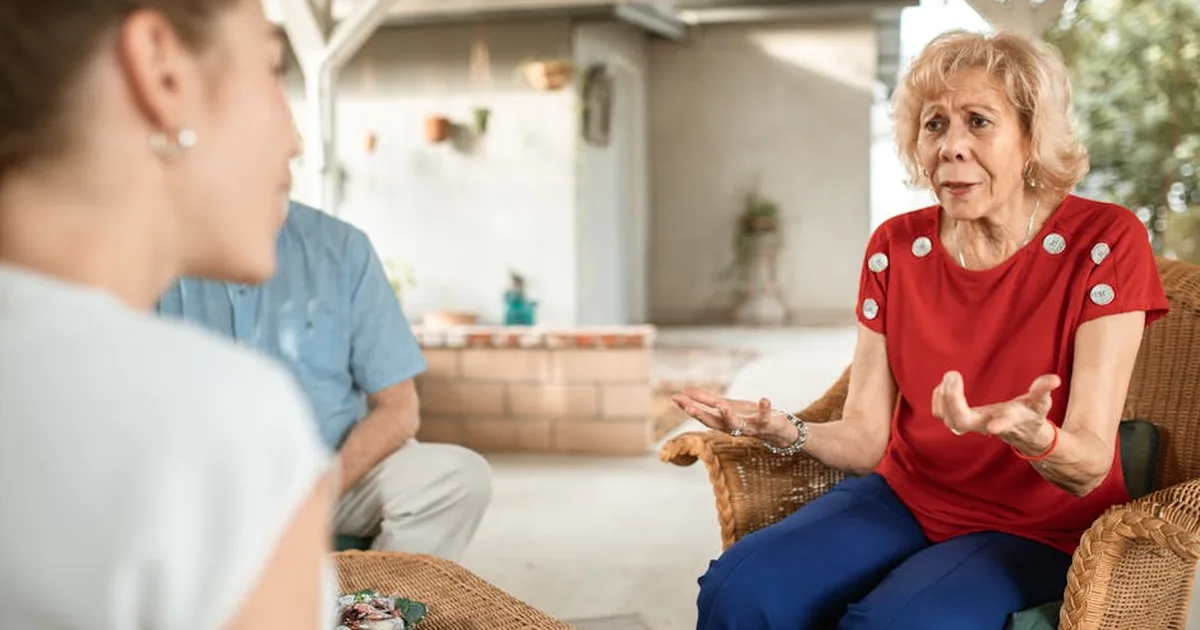
One of the greatest challenges in living out our convictions comes not in what we believe but in how we communicate those beliefs to others. The letter of James offers practical wisdom: "Everyone should be quick to listen, slow to speak and slow to become angry" (James 1:19, NIV). In an age of social media debates and polarized discourse, this biblical advice feels particularly relevant. How do we discuss sensitive topics without damaging relationships or compromising truth?
First, we can cultivate genuine curiosity about others' experiences and perspectives. When someone shares a view different from ours, we might ask, "What experiences have shaped your understanding of this issue?" rather than immediately presenting counterarguments. This approach honors the person while creating space for mutual learning. Second, we can practice distinguishing between positions and people. We might strongly disagree with someone's conclusion while still respecting their humanity and faith journey. As Paul advised the Ephesians, we should "speak the truth in love" (Ephesians 4:15, ESV), holding both conviction and compassion in tension.
Third, we can acknowledge the complexity of many life-and-death questions. Rarely are these matters simple, and pretending otherwise can alienate those wrestling with genuine dilemmas. The Bible itself presents nuanced situations—consider David's prayers for his dying child (2 Samuel 12:15-23) or Paul's reflection on his desire to depart and be with Christ versus remaining for others' benefit (Philippians 1:21-24). Our conversations can reflect this biblical realism while still pointing toward hope and principle.
Creating Space for Diverse Perspectives Within Christian Community
Local churches and faith communities often include people at different places in their understanding of complex issues. Some arrive with firm convictions shaped by years of study; others bring painful personal experiences that color their perspective; still others feel genuinely uncertain. A pastoral approach recognizes this diversity and creates environments where people can explore questions without fear of judgment. Small groups, study series, or moderated discussions can provide safer spaces for these conversations than Sunday morning sermons or social media platforms.
Practical tools can help facilitate healthier dialogue. Setting ground rules like "no interrupting," "speak from your own experience," and "assume good intentions" can prevent conversations from becoming debates. Using open-ended questions like "What values are most important to you in this situation?" rather than yes/no questions can uncover common ground. And perhaps most importantly, regularly returning to prayer—both individually and collectively—reminds us that these conversations ultimately aren't about winning arguments but about discerning God's heart together.
Living Out Our Convictions in Daily Life
Beyond discussions, our beliefs about human dignity should translate into tangible actions. The book of Micah summarizes what God requires: "To act justly and to love mercy and to walk humbly with your God" (Micah 6:8, NIV). This threefold calling—justice, mercy, humility—provides a balanced framework for engagement. Justice moves us to work for systems and policies that protect human flourishing. Mercy calls us to respond with compassion to individuals in difficult circumstances. Humility reminds us that our understanding is partial and our motives sometimes mixed.
Consider practical applications in various spheres of life. In families, this might mean having age-appropriate conversations about the value of life when children ask difficult questions. In workplaces, it could involve advocating for fair wages or family-friendly policies. In communities, it might manifest through volunteering at food banks, visiting nursing homes, or supporting pregnancy resource centers. In each case, we're expressing our theological convictions through practical love. As Jesus taught, "By this everyone will know that you are my disciples, if you love one another" (John 13:35, NIV).
This integrated approach also helps us avoid selective concern. It's inconsistent to champion the unborn while ignoring children living in poverty, just as it's incomplete to advocate for social justice while disregarding life's beginnings and endings. The consistent life ethic isn't about checking every box on a political spectrum but about recognizing the interconnected sacredness of human existence at every stage and in every condition. When we get this right, we reflect the heart of a God who "shows no partiality" (Acts 10:34, ESV).
Conclusion: A Journey of Faithful Engagement
Navigating life's difficult questions requires both theological grounding and relational wisdom. We hold fast to the truth that every person—regardless of age, ability, status, or opinion—bears the image of God and is worthy of respect and protection. Simultaneously, we extend grace in our conversations, recognizing that others are on their own faith journeys and that complex issues rarely have simple solutions. The early Christians were known for how they loved one another and cared for the vulnerable in their communities. In our time, we have the same opportunity to witness to God's love through both our convictions and our compassion.
As we move forward in these challenging conversations, we might reflect on Peter's advice to early believers facing their own difficult cultural moment: "Always be prepared to give an answer to everyone who asks you to give the reason for the hope that you have. But do this with gentleness and respect" (1 Peter 3:15, NIV). Notice the balance: readiness to explain our hope, coupled with gentleness and respect in how we communicate. This approach honors both truth and relationship, principle and person.
What one step could you take this week to better reflect God's heart for human dignity in your conversations or actions? Perhaps it's listening more than speaking in a difficult discussion. Maybe it's learning about a local organization serving vulnerable populations. Or it could be simply pausing to pray for wisdom before engaging on a sensitive topic. However God leads you, remember that we walk this path together as a Christian community, supporting one another as we seek to live out our faith in an increasingly complex world.



Comments