
In a world that often feels rushed and distracted, one of the most profound acts of love we can offer is simply to listen. When we take the time to ask someone about their life—their joys, struggles, and the experiences that shaped them—we open a door to understanding that goes far beyond surface-level acquaintance. This kind of intentional listening is not just a nice gesture; it is a spiritual discipline that reflects the heart of God, who calls us to love our neighbors as ourselves.
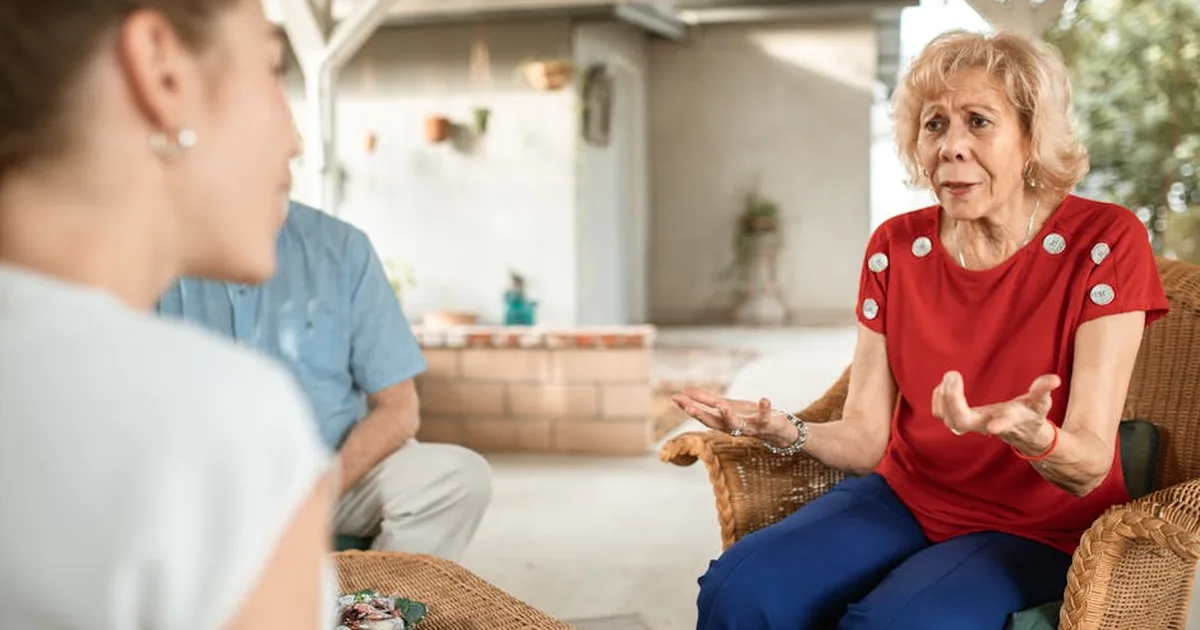
Imagine a classroom where students are not just learning from textbooks but from the living stories of the people around them. In one Christian school, students were given an assignment to interview an older member of their community. They asked questions like, "What was your childhood like?" and "What challenges shaped your life?" The result was transformative—not only for the students but for the adults who were interviewed. Many of them felt seen and valued for the first time in years.
This practice of listening to others' stories is deeply biblical. Throughout Scripture, we see God inviting His people to share their histories, from the Exodus narrative to the testimonies of the early church. When we listen, we honor the image of God in each person and recognize that every life holds wisdom worth sharing.
Why Stories Matter in a Fragmented World
Our society is increasingly divided by ideology, politics, and culture. We often retreat into echo chambers where we only hear opinions that reinforce our own. But stories have a unique ability to bridge these divides. When we hear someone's personal journey—their struggles with loss, their moments of joy, their faith through trials—we connect with their humanity. We begin to see them not as a label or a category but as a person made in God's image.
Jesus Himself was a master storyteller. He used parables to teach profound truths in ways that invited listeners to reflect and respond. The Good Samaritan, the Prodigal Son, the Lost Sheep—these stories continue to resonate because they speak to universal human experiences. They remind us that every person has a story that matters to God, and therefore should matter to us.
When we neglect to listen to our neighbors, we miss out on the richness of God's diverse creation. The apostle Paul wrote, "There is neither Jew nor Greek, slave nor free, male nor female, for you are all one in Christ Jesus" (Galatians 3:28, NIV). This unity is not about erasing our differences but about celebrating them as part of the tapestry of God's family. Listening to each other's stories is one way we live out this unity.
Practical Steps to Start Listening
You don't need a formal program to begin listening to the stories of those around you. It can start with a simple invitation: "Tell me about your life." Here are a few ways to practice this in your own community:
- Host a story-sharing night at your church or small group, where people can share a five-minute story from their life.
- Visit a senior center or nursing home. Many elderly people feel isolated and long for someone to listen to their memories.
- Interview a neighbor you don't know well. Ask about their family, their work, and what gives them hope.
- Practice active listening in everyday conversations. Put away your phone, make eye contact, and ask follow-up questions.
As you listen, remember that you are not just collecting information—you are building relationships. The goal is not to fix someone's problems but to show them that they are valued. This kind of care reflects the love of Christ, who always took time to listen to the people He encountered.
Biblical Foundations for Listening
The Bible is filled with examples of God listening to His people. In the book of Exodus, God says, "I have indeed seen the misery of my people in Egypt. I have heard them crying out because of their slave drivers, and I am concerned about their suffering" (Exodus 3:7, NIV). God's response to the cries of the Israelites was not distant or detached; He listened and then acted.
Similarly, Jesus listened to the marginalized and the outcast. He heard the plea of Bartimaeus, the blind beggar, and restored his sight (Mark 10:46-52). He listened to the Samaritan woman at the well, engaging her in a conversation that transformed her life (John 4:1-42). In each case, listening was the first step toward healing and redemption.
James, the brother of Jesus, gave this practical advice: "My dear brothers and sisters, take note of this: Everyone should be quick to listen, slow to speak and slow to become angry" (James 1:19, NIV). This wisdom is as relevant today as it was in the first century. When we prioritize listening, we create space for understanding and reconciliation.
Listening Across Generations
One of the most powerful ways to practice listening is across generational lines. Older adults carry a wealth of experience and wisdom that younger generations can learn from. At the same time, young people have fresh perspectives and insights that can challenge and inspire their elders. When these generations listen to each other, the whole community benefits.
Consider organizing an intergenerational event where older and younger members of your church can share stories. You might be surprised by the connections that form. A teenager might discover that her grandmother faced similar struggles with identity and purpose. A retired man might find renewed purpose in mentoring a young father. These exchanges remind us that we are part of a larger story that spans generations.
The psalmist wrote, "One generation commends your works to another; they tell of your mighty acts" (Psalm 145:4, NIV). This passing down of stories is a biblical mandate. When we listen to the stories of those who came before us, we gain perspective on God's faithfulness throughout history. And when we share our own stories, we contribute to that legacy for those who will come after us.
Overcoming Barriers to Listening
Despite the benefits, listening is not always easy. We live in a culture that values speed and efficiency, and taking time to listen can feel unproductive. We may also struggle with our own biases or discomfort when hearing stories that challenge us. But these barriers can be overcome with intentionality and prayer.
One common barrier is the fear of not knowing what to say. But listening is not about having the right answers; it is about being present. Sometimes the most powerful response is simply, "Thank you for sharing that with me." Another barrier is the temptation to interrupt with our own experiences. While it is natural to want to relate, it is often better to let the other person finish before offering your own story.
Finally, we must be aware of the power dynamics in listening. When we listen to someone who has been marginalized or oppressed, we must do so with humility and a willingness to learn. Our goal is not to speak over them but to amplify their voice. As Proverbs 31:8-9 says, "Speak up for those who cannot speak for themselves, for the rights of all who are destitute. Speak up and judge fairly; defend the rights of the poor and needy" (NIV). Listening is the first step in advocating for justice.
A Challenge for Today
As you go about your week, I invite you to take a simple challenge: identify one person whose story you do not know, and make time to listen to them. It could be a family member, a coworker, a neighbor, or someone you meet at church. Ask them a question that invites them to share something meaningful about their life. Then, listen without rushing or judging.
You might be surprised by what you learn. You might discover a shared struggle, a hidden talent, or a deep faith that inspires you. More importantly, you will have shown that person that they are seen and valued. In a world that often feels cold and indifferent, your willingness to listen can be a powerful witness to the love of Christ.
Remember the words of Jesus: "By this everyone will know that you are my disciples, if you love one another" (John 13:35, NIV). Listening is one of the most tangible ways we can love one another. It costs us time and attention, but the return is immeasurable: stronger relationships, deeper community, and a greater understanding of God's work in the world.





Comentarios