
For many Christians, the Holy Land is more than a geographical location—it is the stage upon which the biblical narrative unfolds. Walking through the streets of Jerusalem, one can almost hear the echoes of prophets, the footsteps of Jesus, and the prayers of generations. Yet, this same land is today a place of deep division, where conflict and suspicion often overshadow the message of peace that lies at the heart of our faith.
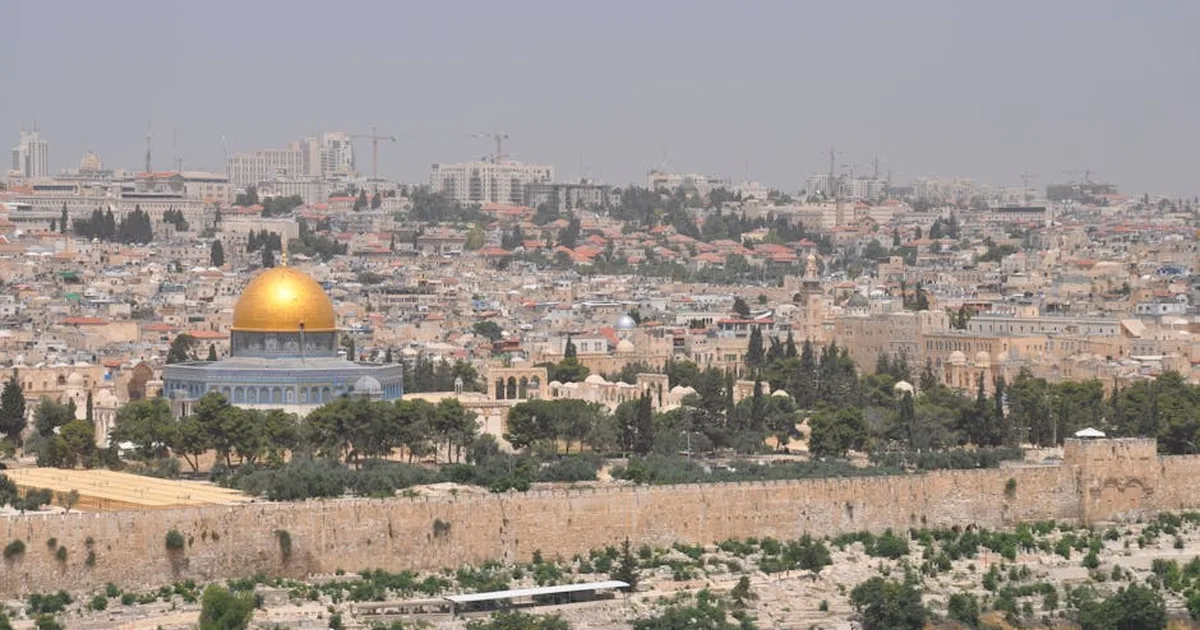
As followers of Christ, we are called to be peacemakers, but what does that mean when the very ground we consider holy is marked by walls, checkpoints, and political strife? The challenge is not to ignore the realities of injustice or suffering, but to seek a path that reflects the reconciling love of God. This article explores how Christians can engage with the complexities of the Holy Land without losing sight of the gospel's call to love our neighbors—even those we have been taught to see as enemies.
Encountering the Other: A Journey Beyond Headlines
In recent years, many Christian groups have traveled to the Holy Land not just as tourists, but as pilgrims seeking a deeper understanding of the conflict and the people who live there. These journeys often begin with a sense of disorientation—the stark contrast between the biblical imagery and the modern reality can be jarring. Yet, it is in these encounters that the gospel becomes flesh again.
One such experience involved a group of clergy who visited both Israeli and Palestinian communities, listening to stories of loss and hope. They met with Christian leaders who spoke of their commitment to nonviolence and reconciliation, even amid occupation and displacement. These encounters challenged preconceived notions and opened hearts to a more nuanced view of the conflict.
As the Apostle Paul writes, "For he himself is our peace, who has made the two groups one and has destroyed the barrier, the dividing wall of hostility" (Ephesians 2:14, NIV). This verse reminds us that in Christ, the walls we build—whether physical or psychological—are meant to be dismantled. The journey toward peace begins when we are willing to see the image of God in those we have been taught to fear.
The Role of Christian Presence in the Holy Land
Christians in the Holy Land, though a minority, play a vital role as bridges between communities. They are often the ones who run schools, hospitals, and social services that serve both Israelis and Palestinians, embodying a spirit of service that transcends political boundaries. Their witness is a powerful reminder that the church is not called to take sides in worldly conflicts, but to be a sign of God's kingdom—a kingdom of justice, mercy, and peace.
Yet, the Christian presence is dwindling. Many have emigrated due to the hardships of life under conflict. This exodus is a loss not only for the local churches but for the entire body of Christ, because these believers carry a unique perspective that can help the global church understand the complexities of the region. Supporting and praying for our brothers and sisters in the Holy Land is not just an act of charity; it is a way of participating in the ministry of reconciliation.
Biblical Foundations for Peacemaking
The Bible is not silent on the subject of peace. From the Old Testament prophets who dreamed of a day when swords would be beaten into plowshares, to Jesus' beatitude "Blessed are the peacemakers, for they shall be called sons of God" (Matthew 5:9, ESV), Scripture consistently calls God's people to be agents of shalom—a comprehensive peace that includes justice, wholeness, and right relationships.
This peace is not passive; it requires active engagement. It means speaking truth to power, standing with the oppressed, and also extending grace to the oppressor. It is a costly peace that often involves sacrifice and vulnerability. As Christians, we are empowered by the Holy Spirit to pursue this peace, not through violence or coercion, but through love and humility.
"Let us then pursue what makes for peace and for mutual upbuilding." — Romans 14:19 (ESV)
This pursuit of peace begins in our own hearts and extends to our communities. It challenges us to examine our own biases and to repent of any complicity in systems of division. The Holy Land is a mirror that reflects our own brokenness and our need for God's healing.
Practical Steps for Christians Today
How can we, as ordinary Christians, respond to the situation in the Holy Land? First, we can educate ourselves. Read books and articles by Palestinian and Israeli Christians. Listen to podcasts that feature voices of reconciliation. Seek out sources that present multiple perspectives, avoiding the trap of one-sided narratives.
Second, we can pray. Not just for peace in general, but for specific people and situations. Pray for the churches in the region, for leaders on both sides, and for the families who live under the shadow of conflict. Prayer aligns our hearts with God's heart and opens us to the Spirit's guidance.
Third, we can support organizations that work for peace and justice. There are many Christian ministries that provide humanitarian aid, advocate for human rights, and foster dialogue between communities. Consider donating to or volunteering with such groups.
Finally, we can be peacemakers in our own contexts. The same principles of reconciliation apply to our relationships with neighbors, coworkers, and even family members. The Holy Land is not just a faraway place; it is a symbol of the divisions that exist everywhere. By practicing peace in our daily lives, we become part of the solution.
A Reflection for the Reader
As you read this, I invite you to pause and consider: Who is the "enemy" in your life? It might be a person, a political group, or even a part of yourself that you struggle to accept. How might God be calling you to take a step toward reconciliation? The journey of peace is not easy, but it is the path that Jesus walked. And He promises to walk with us.
"Peace I leave with you; my peace I give to you. Not as the world gives do I give to you. Let not your hearts be troubled, neither let them be afraid." — John 14:27 (ESV)
May this peace be with you as you seek to be a peacemaker in a world that desperately needs it.



Comments