
Across Latin America and around the world, the discussion about the place of Scripture in the education of children and young people arises time and again. Beyond political stances or specific circumstances, this topic invites us to reflect deeply on the foundations we desire for our society and, especially, for the hearts of those who will build the future.
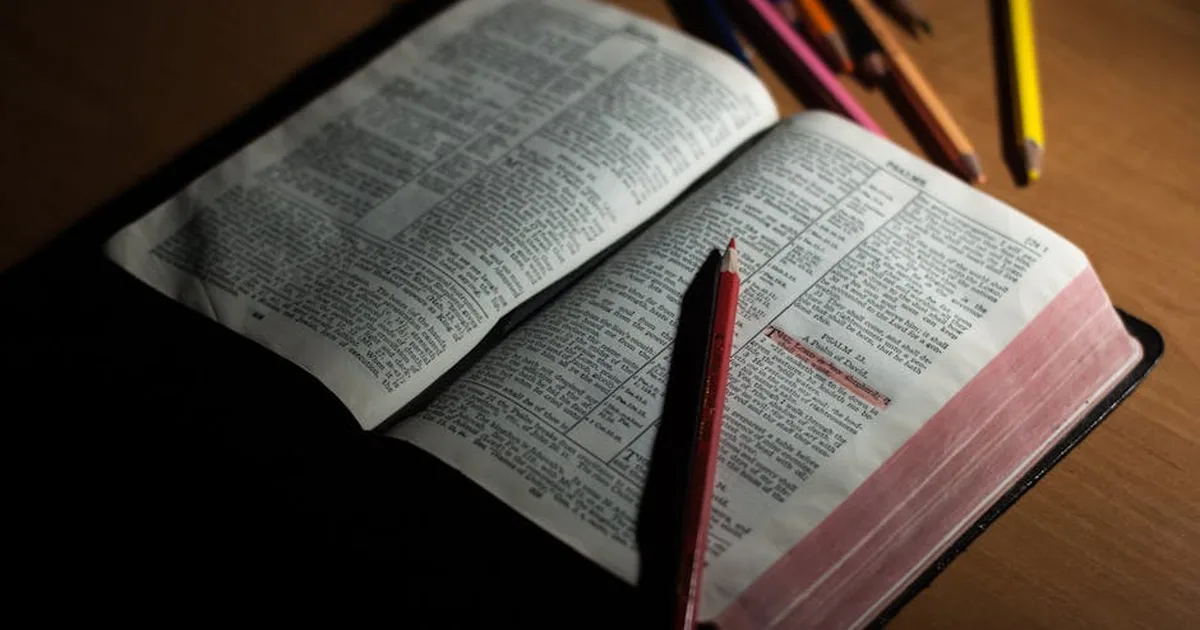
As a Christian community, we know the Bible is not merely an ancient book. It is living Word, a beacon that has guided generations and shaped fundamental values like compassion, justice, and love for neighbor. Its influence is felt in our art, literature, language, and in laws that seek to protect human dignity.
The crucial question at the heart of this debate is: what stories and values do we want to shape the minds and spirits of our children? In a world that often prioritizes the immediate and superficial, the Bible offers narratives of depth, complex characters, and teachings that challenge us to grow in wisdom and character.
The Comprehensive Value of Scripture
When we open the Bible, we find a multifaceted treasure. On one hand, it is the primary means by which God reveals Himself to humanity, showing His plan of salvation and His unfailing love. Jesus Christ Himself, our foundation, knew the Scriptures deeply and turned to them to teach, heal, and confront with truth and grace.
At the same time, its cultural and historical value is undeniable. Stories like creation, the exodus, the parables of Jesus, or the Pauline letters have inspired countless works of art, music, literature, and philosophical thought. Knowing these narratives is, in a sense, possessing keys to understanding much of Western—and increasingly, global—culture.
Consider concepts like "being a Good Samaritan" or "a David facing Goliath." These expressions, rooted in biblical passages, transcend the religious to become part of our common language, conveying complex ideas of solidarity, courage, or justice in just a few words. As the apostle Paul notes:
"All Scripture is God-breathed and is useful for teaching, rebuking, correcting and training in righteousness" (2 Timothy 3:16, NIV).This usefulness undoubtedly encompasses the holistic formation of the person.
Stories That Shape Character
Biblical stories, read with discernment and respect for their context, offer lasting lessons. The story of Joseph, sold by his brothers but later saving them, speaks of forgiveness, providence, and resilience. Esther's courage to intercede for her people teaches about bravery and purpose. The parable of the prodigal son speaks to us of unconditional love and repentance.
These are not mere moral fables. They are encounters with human and divine truth that can help a young person navigate their own struggles, make ethical decisions, and develop empathy. In a classroom, studied from a literary or historical perspective, they can open deep dialogues about good, evil, justice, and redemption.
Challenges and Opportunities in a Plural Context
The discussion about the Bible in public educational spaces inevitably touches the sensitivities of diverse societies. It is a topic that requires wisdom, respectful dialogue, and a clear understanding of the role of the state and of families in spiritual formation.
Faith, ultimately, is a gift freely received in the heart. No school curriculum can or should seek to replace the irreplaceable role of the family and the believing community in the living transmission of faith. Catechesis, sacramental life, and witness in the home are the grounds where the Word truly takes root and bears fruit.





Comments