
In a world often marked by uncertainty, pain, and fleeting pleasures, the Christian concept of hope stands apart. It is not a vague optimism or a wishful thinking that everything will somehow work out. Rather, it is a confident expectation rooted in the character and promises of God. As the writer of Hebrews puts it,
We have this hope as an anchor for the soul, firm and secure. (Hebrews 6:19, NIV)This hope does not ignore the realities of suffering or loss; instead, it faces them squarely, offering a perspective that transcends our present circumstances.
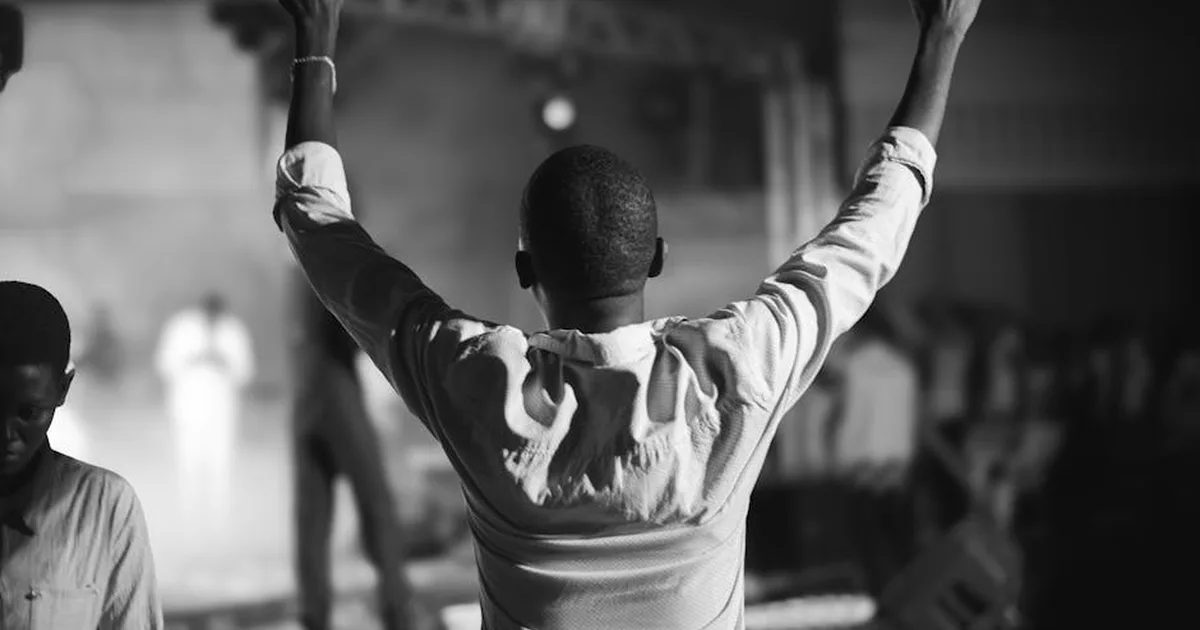
Many of us carry a quiet longing for something more—a sense that this world, with all its beauty, is not our final home. This wistfulness is not a sign of weakness or escapism; it is a God-given instinct that points us toward eternity. The apostle Paul expressed this tension when he wrote,
For in this hope we were saved. But hope that is seen is no hope at all. Who hopes for what they already have? (Romans 8:24, NIV)Our hope is for what we do not yet see, and that anticipation shapes how we live today.
Living in the In-Between
Christians live in a unique tension: we already belong to God's kingdom, yet we await its full realization. This "already but not yet" reality can be challenging. We experience glimpses of God's goodness—moments of joy, reconciliation, and beauty—but we also face brokenness, injustice, and death. How do we hold onto hope in the in-between?
One key is to remember that hope is not passive; it actively transforms our daily choices. When we truly believe that God is working all things for good (Romans 8:28), we can face difficulties with resilience. We can love our neighbors without expecting immediate returns. We can work for justice even when systems seem entrenched. Hope fuels perseverance.
Consider the example of Abraham, who
in hope believed against hope, that he should become the father of many nations. (Romans 4:18, ESV)Abraham's hope was not based on his circumstances—he was old and childless—but on God's promise. Similarly, our hope is not dependent on our situation but on the faithfulness of the One who promised.
Hope as a Communal Practice
Hope is not meant to be a private sentiment; it thrives in community. When we gather as believers, we remind one another of God's faithfulness. We share stories of answered prayer, of provision in hard times, of strength to endure. The early church exemplified this:
They devoted themselves to the apostles' teaching and to fellowship, to the breaking of bread and to prayer. (Acts 2:42, NIV)In fellowship, hope is reinforced and multiplied.
Moreover, our hope has a public dimension. In a culture often marked by despair, cynicism, and anxiety, Christians are called to be witnesses of a different way. Peter urges us,
Always be prepared to give an answer to everyone who asks you to give the reason for the hope that you have. (1 Peter 3:15, NIV)This does not mean we have all the answers, but that our lives reflect a confidence in God that others find intriguing.
Practical Ways to Cultivate Hope
- Immerse yourself in Scripture. The Bible is filled with promises and stories of God's faithfulness. Meditate on passages like Psalm 42:5 or Lamentations 3:22-23.
- Practice gratitude. Regularly counting blessings shifts focus from what is lacking to what God has provided.
- Connect with others. Join a small group or service opportunity where you can share burdens and joys.
- Serve the vulnerable. Acting on behalf of others combats hopelessness and aligns us with God's heart.
Eternal Hope and Present Action
Some critics argue that focusing on heaven makes Christians indifferent to earthly needs. But true Christian hope does the opposite. Because we know that God's ultimate plan is to renew all things, we are motivated to care for creation and for people now. The resurrection of Jesus is the guarantee that our labor in the Lord is not in vain (1 Corinthians 15:58).
This hope also gives us courage to face our own mortality. Death, the great enemy, has been defeated. As Paul exclaims,
Where, O death, is your victory? Where, O death, is your sting? (1 Corinthians 15:55, NIV)We grieve, but not as those without hope. Our grief is mingled with the assurance of reunion and restoration.
In the end, Christian hope is not about escaping the world but about engaging it with the confidence that God's purposes will prevail. It is a hope that transforms our present, sustains us through trials, and points us toward a future where every tear will be wiped away.
Reflection Questions
- What areas of your life feel most hopeless right now? How might God be inviting you to trust Him in those areas?
- How can you share the hope you have with someone who is struggling?
- What practical step will you take this week to anchor your soul in God's promises?




Comments