
In many neighborhoods, the local church stands as a familiar landmark. But too often, its doors remain closed to those who need them most—the lonely, the struggling, the curious. What if we saw our church not as a building to be protected, but as a doorway through which the love of Christ flows into the community? Jesus said, 'I am the door. If anyone enters by me, he will be saved and will go in and out and find pasture' (John 10:9, ESV). This image invites us to rethink our role: we are called to be doors—open, accessible, welcoming.
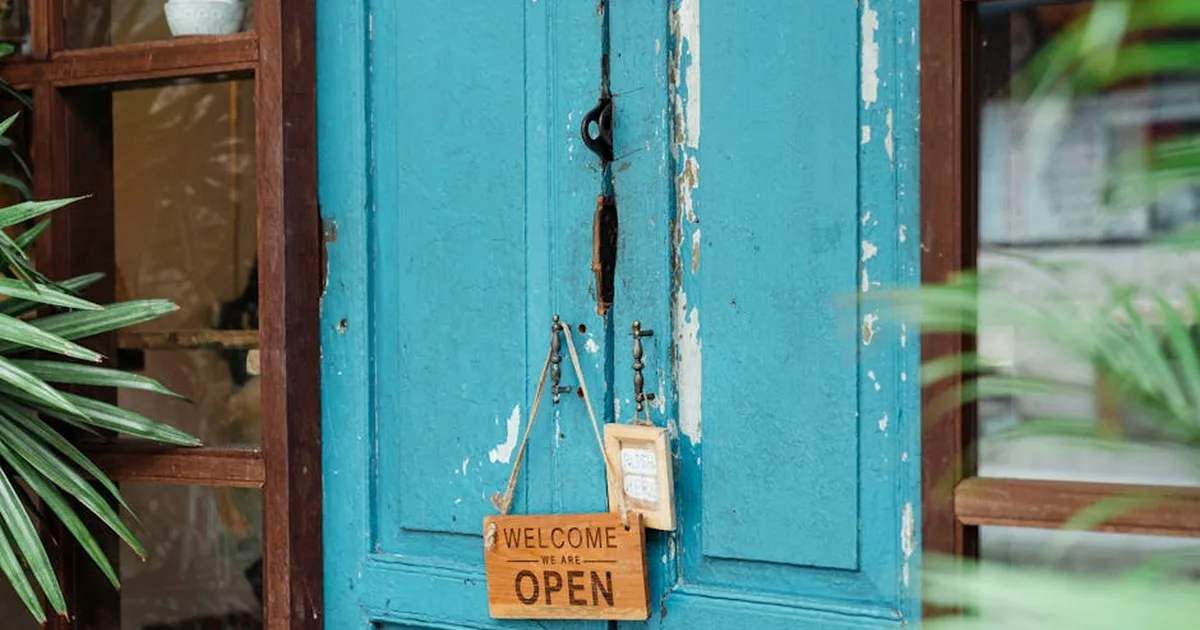
When we open our doors—literally and figuratively—we create spaces where people can encounter God and find belonging. This isn't just about Sunday services; it's about being present in the everyday lives of our neighbors. A church that is a door to the community listens to local needs, shares resources, and offers hope without judgment.
Practical Ways to Open Your Church's Doors
Host Community Events
One of the simplest ways to become a door is to host events that serve the community. Consider a weekly coffee morning, a free clothing swap, or a parenting workshop. These gatherings lower barriers and build trust. As you welcome people for a hot meal or a listening ear, you demonstrate that the church cares about their whole lives, not just their Sunday attendance.
Create Safe Spaces for Conversation
Many people carry burdens they never voice at church. By offering small groups or one-on-one prayer walks, you create safe spaces for honest conversation. Train volunteers to listen without rushing to fix problems. Sometimes the most powerful ministry is simply being present, as Paul writes: 'Bear one another's burdens, and so fulfill the law of Christ' (Galatians 6:2, ESV).
Partner with Local Organizations
Your church doesn't have to do everything alone. Partner with schools, food banks, or nonprofit groups to multiply your impact. For example, host a back-to-school supply drive alongside a local elementary school, or offer your parking lot for a farmers' market. These collaborations show that the church is for the city, not just for itself.
Biblical Foundations for a Welcoming Church
The Bible is filled with examples of God's people creating space for others. In the Old Testament, God instructed Israel to care for the foreigner, the orphan, and the widow (Deuteronomy 10:18-19). Jesus constantly crossed social boundaries to welcome the outcast—tax collectors, sinners, the sick. He ate with those whom society rejected, showing that the kingdom of God is a feast for all.
The early church modeled this hospitality: 'And they devoted themselves to the apostles' teaching and the fellowship, to the breaking of bread and the prayers' (Acts 2:42, ESV). Their homes were open, their tables shared. This wasn't a program; it was a way of life. Today, we are called to the same radical welcome.
Overcoming Barriers to Welcome
Many churches face real obstacles: limited space, volunteer burnout, or fear of change. But these challenges can be addressed with creativity and prayer. Start small—perhaps with a single monthly event. Train a team of greeters who are warm and non-intrusive. Evaluate your facility: Is it accessible to people with disabilities? Are signs clear and inviting? Sometimes the biggest barrier is an unwelcoming atmosphere, not a locked door.
Remember that hospitality is a spiritual discipline. Hebrews 13:2 reminds us: 'Do not neglect to show hospitality to strangers, for thereby some have entertained angels unawares' (ESV). When we welcome others, we may be welcoming Christ himself.
Practical Application: Your Next Step
Take a walk around your church building this week. Look at it through the eyes of a first-time visitor. What would they see? What would they feel? Then, ask God to show you one small way to open your doors wider. It might be as simple as adding a welcome sign in another language or starting a conversation with a neighbor who walks by every day. The door doesn't have to be grand; it just needs to be open.
Reflection question: Who in your community might be waiting for an invitation to step through a door of grace? How can you be that door today?




Comments