
In a world that often feels pulled between big government and individual autonomy, there is a timeless wisdom in an idea that has shaped Christian social thought for generations. It's called subsidiarity, and while the term might sound academic, its heart is deeply practical and pastoral. Simply put, subsidiarity teaches that decisions should be made at the most local level possible, by the people closest to the issue. This isn't about isolation or smallness for its own sake; it's about honoring the dignity and capability of families, neighborhoods, and local organizations.
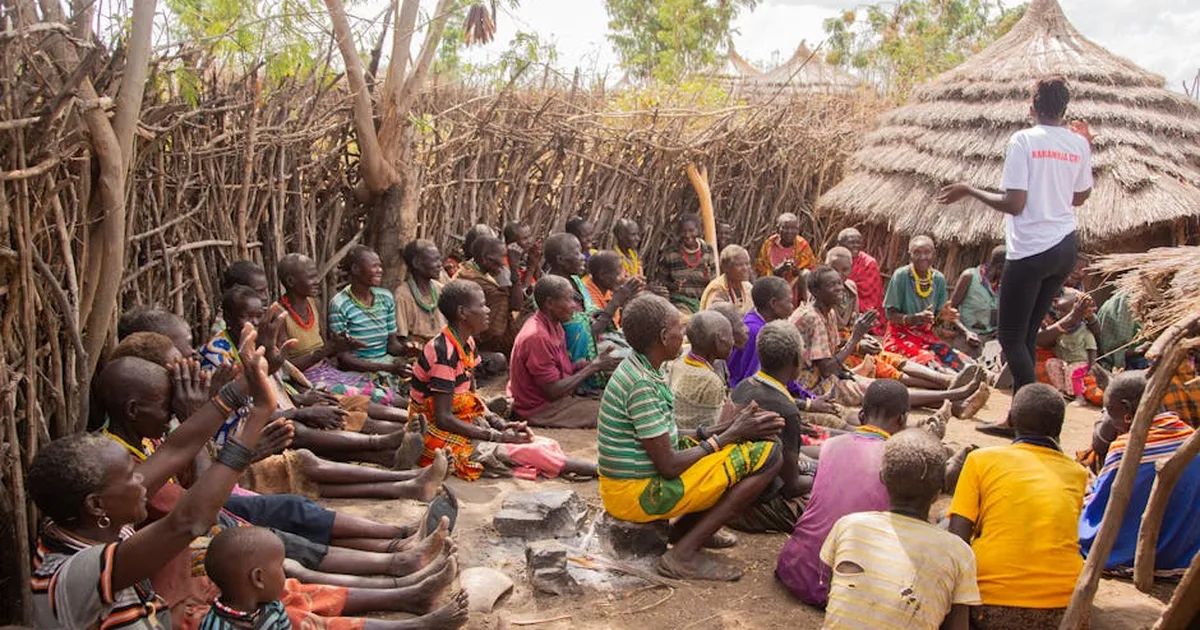
The Bible offers a beautiful picture of this principle in action. In the book of Acts, we see the early church organizing locally, with believers sharing resources and caring for one another within their own communities (Acts 2:44-45). Paul's letters are filled with instructions for local churches to govern themselves, to resolve disputes, and to support their own members. This isn't a rejection of larger structures, but a recognition that human flourishing happens best when people have meaningful responsibility for their own lives and communities.
Subsidiarity resonates across Christian traditions. It echoes the Reformed concept of sphere sovereignty, which holds that different areas of life—family, church, state, business—have their own God-given authority and should not be absorbed by one another. Catholic social teaching has long championed subsidiarity as a safeguard against both tyranny and apathy. At its core, this principle is about trust: trust in God's design for human community, and trust in the capacity of ordinary people to make wise decisions when they are empowered and supported.
Why Subsidiarity Matters Today
In an age of globalization and centralized systems, the principle of subsidiarity offers a refreshing alternative. It reminds us that bigger isn't always better, and that the most effective solutions often come from those who know the problem firsthand. When we bypass local institutions—families, schools, churches, neighborhood associations—we risk creating a society that is efficient but impersonal, organized but lacking in compassion.
Consider the example of caring for the poor. A national welfare program can provide resources, but it cannot offer the personal relationship, the accountability, and the dignity that come from a local church or community group walking alongside someone in need. The Bible calls us to bear one another's burdens (Galatians 6:2), and that is best done in the context of real, face-to-face relationships. Subsidiarity doesn't mean larger institutions have no role; it means they should step in only when local entities are overwhelmed or unable to cope. As Pope Pius XI wrote, it is a grave injustice to take away from smaller communities what they can accomplish on their own.
The Role of the Church
Local churches are perhaps the most powerful expression of subsidiarity. They are communities of faith where people know each other's names, share meals, pray together, and help in times of crisis. The church is not a branch office of a distant headquarters; it is a living body with its own gifts and calling. When a church is healthy, it becomes a hub for service, discipleship, and community transformation. It can address local needs that no government program can reach—like loneliness, spiritual hunger, and moral guidance.
At the same time, churches must resist the temptation to become insular. Subsidiarity is not about isolation; it is about connection. Just as a family needs support from extended relatives and neighbors, a local church benefits from partnerships with other churches and ministries. The goal is not to go it alone, but to ensure that help comes from the most appropriate level—near enough to be personal, but connected enough to be effective.
Applying Subsidiarity in Daily Life
How can we live out this principle in our own communities? It starts with a shift in mindset. Instead of looking first to government or large institutions to solve problems, we can ask: What can my family, my church, my neighborhood do? This doesn't mean rejecting help from outside, but it does mean taking responsibility for what is within our reach.
For example, if you see a need in your community—such as a struggling family, a neglected park, or a lack of youth activities—consider how you and your neighbors might address it. Organize a meal rotation, start a community garden, or create a mentoring program. These small, local efforts can have a profound impact, and they build the kind of social fabric that makes communities resilient.
"And let us consider how to stir up one another to love and good works, not neglecting to meet together, as is the habit of some, but encouraging one another, and all the more as you see the Day drawing near." — Hebrews 10:24-25 (ESV)
This verse captures the essence of subsidiarity: we are called to actively encourage and support one another in the context of community. It is not enough to delegate love to an institution; we must practice it personally and locally.
Reflection and Practical Steps
As you think about subsidiarity, consider these questions: Are there areas of your life where you have given away responsibility that you should reclaim? Is your church or community group actively empowering people to serve, or is it centralizing decisions? How can you strengthen the local networks around you?
One practical step is to identify one local need this week and take a small action to address it. It could be as simple as introducing yourself to a neighbor, volunteering at a local food pantry, or inviting someone to join your small group. These small acts of local love are the building blocks of a society that honors human dignity and reflects the wisdom of God's design.
Ultimately, subsidiarity is not a political ideology but a Christian vision for human flourishing. It trusts that God has placed us in communities for a reason, and that the best way to love our neighbor is often the most direct way—through personal involvement and shared responsibility. Let us embrace this principle, not as a theory, but as a way of life that brings healing and hope to our world.



Comments