
In the autumn of 1944, the world was engulfed in the final, desperate throes of World War II. For a young family in the Netherlands, the war became terrifyingly personal. Allied forces were pushing to liberate the city of Nijmegen from German occupation, and the relentless bombing made daily life a nightmare. My parents, along with my three brothers and me—ages two to six—made the harrowing decision to flee our home. We hoped to escape the bombs that rained down without mercy, seeking safety in an uncertain future.
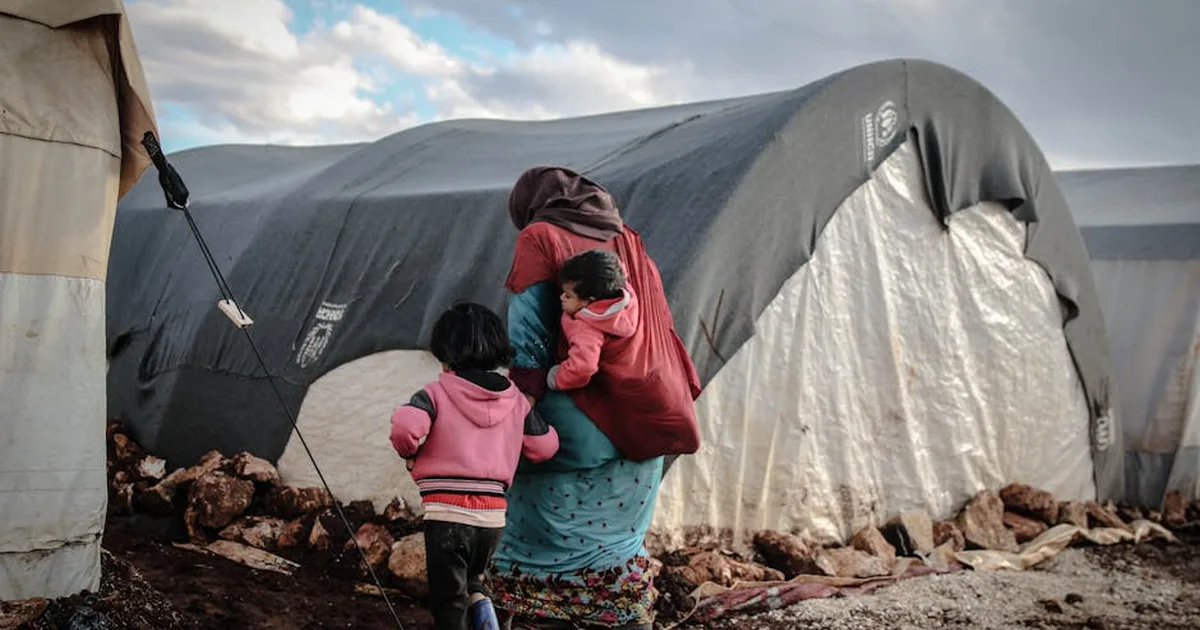
The journey was fraught with danger. We joined a stream of refugees, clutching whatever belongings we could carry. The sound of explosions echoed in the distance, a constant reminder that death was never far away. My mother held us close, her voice a steady whisper of reassurance even as fear gripped her heart. We had no destination in mind, only the desperate hope of finding a place where the guns fell silent.
When the Allies finally succeeded in capturing Nijmegen, our relief was short-lived. The city became a frontline post, and German shells began battering the very streets we had called home. The war had not ended; it had simply changed shape. We were now caught between two armies, refugees in our own land.
Lessons from the Wilderness
In the chaos of displacement, I learned lessons that would shape my entire life. The first was the fragility of security. Our home, our toys, our routines—all were swept away in an instant. Yet in that loss, I discovered something deeper: the resilience of the human spirit. My parents, though exhausted and afraid, never gave up. They found shelter in barns, begged for food from strangers, and held our family together with sheer will and faith.
The second lesson was the kindness of strangers. Along the road, we met people who had nothing yet shared everything. A farmer offered us a corner of his hayloft. A woman gave us a loaf of bread she could barely spare. These acts of generosity, small in the grand scheme of war, were monumental in our eyes. They taught me that even in the darkest times, light can break through.
Most importantly, I learned to trust in God's provision. My mother would gather us each evening to pray, her voice soft but unwavering. She recited Psalm 23:
“Even though I walk through the darkest valley, I will fear no evil, for you are with me; your rod and your staff, they comfort me.” (Psalm 23:4, NIV)Those words became our anchor, a promise that we were not alone.
Finding God in the Rubble
War has a way of stripping away pretense. In the midst of suffering, we often encounter God in raw, unexpected ways. I remember one night, huddled in a cold church with other refugees, listening to the distant thunder of artillery. A elderly man began to sing a hymn, his voice cracked but full of faith. Soon, others joined in, and the small congregation became a chorus of hope. In that moment, the stone walls felt less like a shelter and more like a sanctuary.
Scripture reminds us that God is close to the brokenhearted (Psalm 34:18). I experienced that truth firsthand. When our strength failed, God carried us. When we had no answers, God provided a way. The war taught me that faith is not about having all the answers, but about trusting the One who does.
From Fugitive to Healer
After the war ended, our family slowly rebuilt our lives. The memories of those dark days never left me, but they transformed into a source of compassion. I decided to dedicate my life to helping others who had been displaced by conflict. I became a counselor for refugees, drawing on my own experiences to offer hope and healing.
The Bible says,
“Blessed be the God and Father of our Lord Jesus Christ, the Father of mercies and God of all comfort, who comforts us in all our affliction, so that we may be able to comfort those who are in any affliction, with the comfort with which we ourselves are comforted by God.” (2 Corinthians 1:3-4, ESV)This verse became my life's mission. The comfort I received in my darkest hours was not meant to be kept; it was meant to be shared.
A Call to Compassion
Today, millions of people around the world are fleeing war, persecution, and natural disasters. They are not statistics; they are mothers, fathers, children—each with a story, each longing for peace. As Christians, we are called to be agents of that peace. Jesus said,
“Blessed are the merciful, for they shall receive mercy.” (Matthew 5:7, ESV)Mercy is not a passive feeling; it is an active response to suffering.
We can extend mercy through prayer, by supporting organizations that aid refugees, or by welcoming strangers in our own communities. Every act of kindness, no matter how small, reflects the heart of God. In a world that often seems divided, we have the opportunity to be bridges of hope.
Practical Application: Becoming a Healer
How can we move from being bystanders to healers? Start by opening your eyes to the suffering around you. It may be a neighbor struggling with loss, a coworker facing burnout, or a refugee family in your city. Listen to their stories without judgment. Offer practical help—a meal, a ride, a listening ear.
Next, educate yourself about the global refugee crisis. Learn about the root causes of displacement and the ways you can advocate for just policies. The Bible calls us to “defend the rights of the poor and needy” (Proverbs 31:9, NIV). Use your voice to speak up for those who have been silenced.
Finally, pray. Pray for those who are fleeing violence, for aid workers on the front lines, and for wisdom for world leaders. Prayer aligns our hearts with God's heart and opens doors for His intervention.
Reflection
Think back to a time when you felt lost or afraid. Who showed you kindness? How did that experience shape you? Now imagine you are that person for someone else today. The journey from fugitive to healer is not easy, but it is the path that Jesus walked. He came not to be served, but to serve (Mark 10:45). As His followers, we are called to do the same.
What step will you take this week to be a healer in your corner of the world?



Comments