
When journalists set out to cover wars, famines, and political upheavals, they often expect to focus on economics, strategy, or human suffering. But again and again, they find that faith is woven into the fabric of the story. As one veteran reporter observed, religion keeps appearing in the most surprising places—from negotiating peace in conflict zones to providing hope in refugee camps. This article explores why faith matters in global reporting and what it teaches us about the human condition.
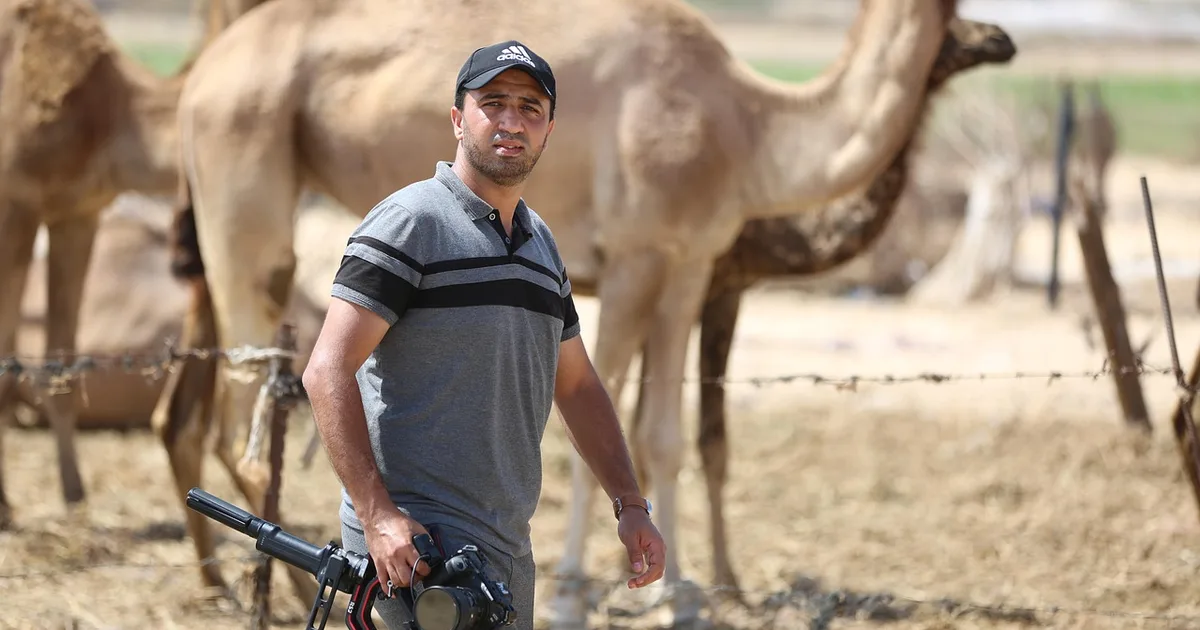
Faith on the Frontlines
In many of the world’s hotspots, religious leaders are key players. During the Salvadoran civil war, Archbishop Óscar Romero became a voice for the voiceless, challenging oppression and ultimately paying with his life. In South Africa, Desmond Tutu’s Anglican faith fueled his fight against apartheid. These examples show that faith is not just a private matter; it shapes public events and inspires courage.
Scripture reminds us of the power of righteous action. As Micah 6:8 says, “He has shown you, O mortal, what is good. And what does the Lord require of you? To act justly and to love mercy and to walk humbly with your God.” This verse echoes in the lives of those who risk everything for justice.
Reporting with Empathy
Journalists who understand local religious contexts can report with greater depth. During the Ethiopian famine, relief efforts were often coordinated through churches and mosques, which provided trust and infrastructure. Recognizing this helped reporters convey not just the tragedy but also the resilience of communities sustained by faith.
In a world of soundbites, faith reminds us of the sacredness of every person. As Jesus said in Matthew 25:40, “Truly I tell you, whatever you did for one of the least of these brothers and sisters of mine, you did for me.” This perspective transforms reporting from mere observation to compassionate witness.
Bridging Divides
Religion can also be a source of conflict, but it can be a bridge. In Northern Ireland, Catholic and Protestant leaders worked together to end decades of violence. In the Middle East, interfaith dialogues have opened doors for peace. Reporters who highlight these efforts help counter stereotypes and show that faith can unite rather than divide.
The apostle Paul wrote in Ephesians 4:3, “Make every effort to keep the unity of the Spirit through the bond of peace.” This call to unity is as relevant today as ever, especially in a polarized media landscape.
Practical Reflection: What Can We Learn?
As readers and consumers of news, we can ask ourselves: How does faith shape the stories we hear? Are we open to seeing God’s work in the headlines? Next time you read a news report, consider the role of religion—whether in the background or at the center. It might just change how you see the world.
Take a moment to pray for journalists who risk their lives to bring us the truth. And remember that faith is not separate from reality; it is part of the story God is writing.



Comments