
Christian baptism is a sacred act of faith that symbolizes the believer's identification with the death, burial, and resurrection of Jesus Christ. It is not merely a ritual but a profound declaration of new life in Christ. For many Christians, baptism marks the beginning of a lifelong journey of discipleship. Whether you are exploring faith for the first time or seeking to deepen your understanding, this article will help you grasp the meaning and significance of Christian baptism in a warm and accessible way.
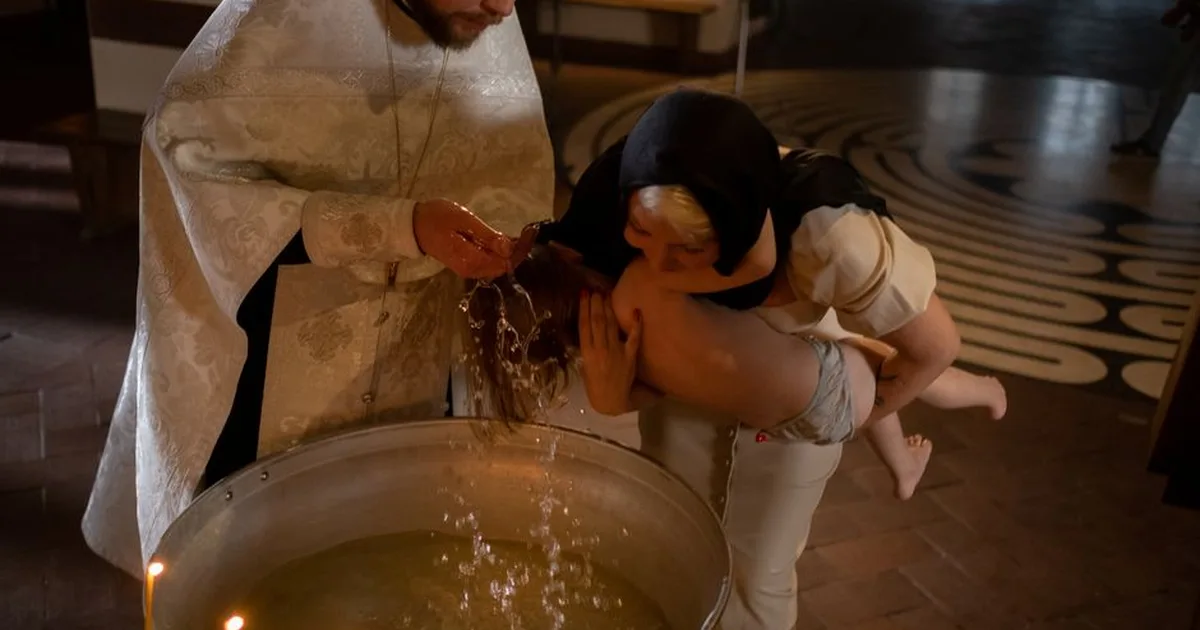
Baptism comes from the Greek word baptizo, meaning "to immerse" or "to dip." In the early church, baptism was performed by full immersion in water, symbolizing the washing away of sin and the emergence of a new creation. Today, different Christian traditions practice baptism in various forms—immersion, pouring, or sprinkling—yet the core meaning remains the same: a visible sign of an invisible grace.
"Therefore we were buried with him by baptism into death, so that just as Christ was raised from the dead by the glory of the Father, we too might walk in newness of life." — Romans 6:4 (NRSV)
For those considering baptism, it is a step of obedience and a public testimony of faith. It is not a requirement for salvation but a beautiful expression of the inward change that has already taken place. As the apostle Peter wrote, "Baptism, which corresponds to this, now saves you (not as a removal of dirt from the body, but as an appeal to God for a good conscience), through the resurrection of Jesus Christ" (1 Peter 3:21, ESV).
The Biblical Foundation of Christian Baptism
The practice of Christian baptism is rooted in the New Testament. Jesus himself was baptized by John the Baptist in the Jordan River, setting an example for his followers. After his resurrection, Jesus commanded his disciples: "Go therefore and make disciples of all nations, baptizing them in the name of the Father and of the Son and of the Holy Spirit" (Matthew 28:19, ESV). This Great Commission establishes baptism as an integral part of making disciples.
In the book of Acts, we see baptism practiced immediately upon conversion. On the day of Pentecost, Peter preached to the crowd, and those who received his word were baptized—about three thousand people (Acts 2:41). Similarly, the Ethiopian eunuch asked to be baptized as soon as he believed in Jesus (Acts 8:36-38). These examples show that baptism was not delayed but was a natural response to faith.
Baptism and Salvation
While baptism is closely linked to salvation in Scripture, it is important to understand that it is not a work that earns God's favor. Ephesians 2:8-9 reminds us that we are saved by grace through faith, not by works. Baptism is a means of grace—a way God strengthens our faith and assures us of our union with Christ. It is an outward sign of an inward reality, much like a wedding ring symbolizes the covenant of marriage.
Some Christian traditions, such as Catholicism and Orthodoxy, view baptism as a sacrament that imparts saving grace, often administered to infants. Others, like many Protestant denominations, practice believer's baptism, reserved for those who can personally profess faith. Despite these differences, all Christians affirm the importance of baptism as a foundational step in the life of faith.
Different Forms and Meanings of Baptism
Throughout church history, various forms of baptism have emerged, reflecting different theological emphases and cultural contexts. The three main modes are immersion, pouring (affusion), and sprinkling (aspersion). Each mode carries symbolic meaning, but the essential element is water and the Trinitarian formula.
- Immersion: The candidate is fully submerged in water, symbolizing burial with Christ and resurrection to new life. This practice is common in Baptist and evangelical churches.
- Pouring: Water is poured over the head of the candidate, representing the outpouring of the Holy Spirit. This is often used in Methodist and Lutheran traditions.
- Sprinkling: Water is sprinkled on the candidate, symbolizing cleansing from sin. This is typical in Presbyterian and Reformed churches.
Regardless of the mode, the meaning remains: baptism is a sign of God's covenant and a seal of the believer's faith. For those raised in a tradition that practices infant baptism, confirmation or a personal reaffirmation of faith later in life can serve as a meaningful counterpart.
Preparing for Christian Baptism
If you are considering baptism, it is a decision that should be made prayerfully and with understanding. Most churches offer baptism classes or counseling to help you explore the meaning and commitment involved. Here are some practical steps to prepare:
- Reflect on your faith journey and your decision to follow Jesus.
- Read Scripture passages about baptism, such as Romans 6:1-14 and Acts 2:38-41.
- Talk to your pastor or a spiritual mentor about any questions you have.
- Invite family and friends to witness your baptism as a celebration of your faith.
- Pray for God's blessing and guidance as you take this step.
Remember, baptism is not the end of your spiritual journey but a beginning. It is a public declaration that you belong to Christ and are part of his body, the church. As you emerge from the water, you are reminded that you are a new creation—old things have passed away (2 Corinthians 5:17).
Living Out Your Baptism
Baptism is not a one-time event but a lifelong reality. Every day, we are called to "walk in newness of life" (Romans 6:4). This means putting to death our old sinful nature and living in the power of the Holy Spirit. The early church saw baptism as the starting point for a life of service, love, and witness.
One practical way to live out your baptism is to participate in the local church. Baptism incorporates you into the body of Christ, where you can use your gifts to serve others. It also reminds you of your identity as a child of God—beloved, forgiven, and empowered to make a difference in the world.
"For as many of you as were baptized into Christ have put on Christ." — Galatians 3:27 (ESV)
Whether you were baptized as an infant or as an adult, you can renew your baptismal vows by remembering the promises God has made to you. Some Christians celebrate the anniversary of their baptism as a spiritual birthday, a time to reflect on God's faithfulness.
Conclusion: A Step of Faith
Christian baptism is a beautiful and profound step in the journey of faith. It connects us to Christ, to his church, and to the hope of resurrection. If you have not yet been baptized, I encourage you to explore this step with an open heart. If you have been baptized, may you continually draw strength from the grace it signifies.
As you consider the meaning of baptism, reflect on this question: How does my baptism shape the way I live my faith today?


Comments