
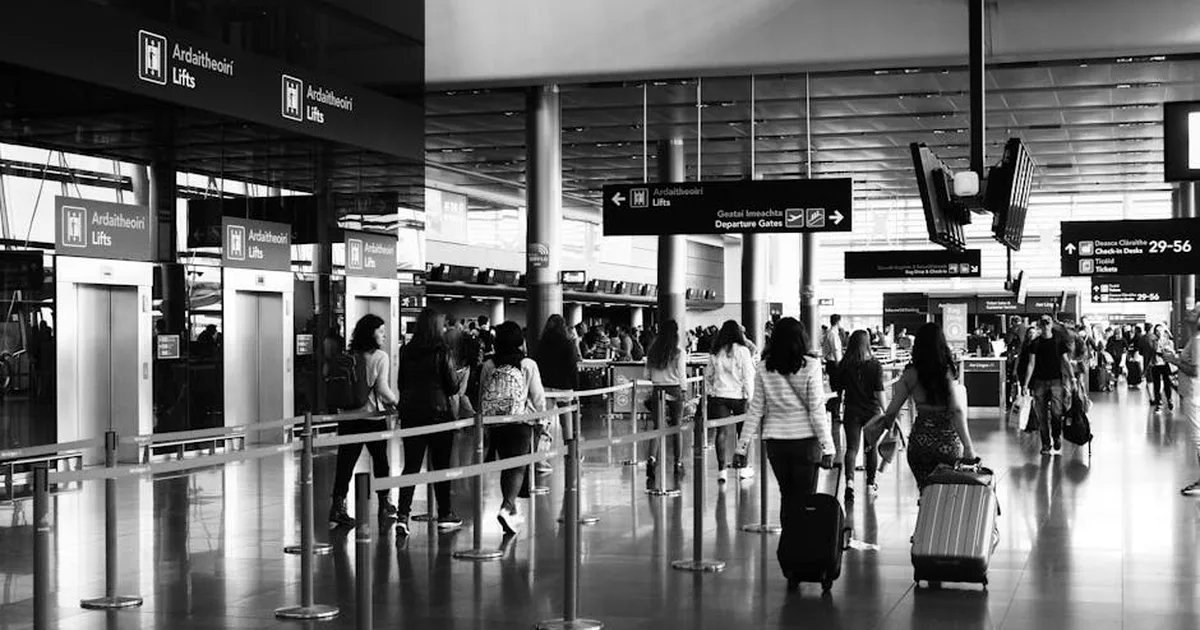
What if you could be in two places at once—literally? A new science fiction novel, Sublimation by Isabel J. Kim, explores this idea in a way that resonates deeply with the Christian experience of longing for home while living as strangers in a foreign land. The story begins at an airport, where a traveler is split into two versions of themselves: one who boards the plane and one who stays behind. This imaginative premise raises profound questions about identity, sacrifice, and the meaning of belonging.
For Christians, the concept of being divided between two worlds is not unfamiliar. The apostle Paul wrote, “For here we have no lasting city, but we seek the city that is to come” (Hebrews 13:14, ESV). This tension between our earthly home and our heavenly citizenship is a central theme of the faith. Sublimation offers a secular mirror to this spiritual reality, inviting readers to consider what it means to leave behind what we know and embrace the unknown.
The Power of the Second Person
Kim’s choice to write in the second person is bold and immersive. As you read, you are placed directly into the protagonist’s shoes—or rather, into the shoes of both versions of the protagonist. This narrative technique forces readers to confront their own feelings about displacement and change. The novel’s structure mirrors the disorienting experience of immigration, where one must navigate a new culture while holding onto memories of the old.
In a similar way, the Bible often uses second-person address to draw readers into God’s story. When Jesus says, “Come to me, all who labor and are heavy laden, and I will give you rest” (Matthew 11:28, ESV), the invitation is personal and direct. Sublimation echoes this intimacy, making the reader an active participant in the journey.
Immigration as a Spiritual Metaphor
Immigration is more than a political issue; it is a deeply human experience that touches on themes of hope, fear, and transformation. The novel uses the sci-fi premise of self-duplication to explore the emotional cost of leaving one’s homeland. The traveler who stays behind represents the part of us that clings to the familiar, while the traveler who moves forward embodies the courage to embrace change.
Scripture is filled with stories of migration. Abraham left his home without knowing where he was going (Hebrews 11:8). The Israelites wandered in the wilderness for forty years. Mary and Joseph fled to Egypt to protect their child. These narratives remind us that God often calls us to leave behind what is comfortable and step into the unknown. As the Psalmist writes, “He who dwells in the shelter of the Most High will rest in the shadow of the Almighty” (Psalm 91:1, NIV).
Finding Identity in Transition
One of the novel’s central questions is: Who are we when we are separated from our roots? The two versions of the protagonist begin to develop distinct identities, shaped by their different environments. This reflects the Christian understanding that our identity is ultimately found in Christ, not in our circumstances. Paul writes, “I have been crucified with Christ. It is no longer I who live, but Christ who lives in me” (Galatians 2:20, ESV).
For immigrants, this truth can be a source of great comfort. No matter where they go, their identity in God remains secure. The church, as the body of Christ, becomes a new family and a new home. This is why Christian communities have historically been at the forefront of welcoming strangers and offering hospitality.
The Cost of Belonging
Kim does not shy away from the pain of separation. The novel explores the grief of leaving loved ones behind, the loneliness of starting over, and the guilt of moving forward while others are left behind. These emotions are not foreign to the Christian journey. Jesus himself wept over Jerusalem, longing to gather its people like a hen gathers her chicks (Matthew 23:37).
Yet, the novel also hints at redemption. The two versions of the protagonist eventually find a way to communicate, suggesting that connection can transcend physical distance. For believers, this echoes the promise of the Holy Spirit, who bridges the gap between heaven and earth. As Jesus assured his disciples, “I am with you always, to the very end of the age” (Matthew 28:20, NIV).
Practical Reflections for Today
As you read Sublimation, consider how the story mirrors your own spiritual journey. Have you ever felt torn between two places? Do you struggle to embrace the new while honoring the old? The Bible encourages us to “remember that you were once foreigners” (Exodus 23:9, NIV) and to extend grace to those who are displaced.
Perhaps you are not an immigrant, but you know someone who is. How can you be a source of welcome and support? The early church modeled a radical hospitality that transcended cultural boundaries. In Acts, we read that “there was no needy person among them” (Acts 4:34, ESV) because they shared everything they had. This is the kind of community that reflects God’s heart for the stranger.
Finally, take a moment to reflect on your own sense of belonging. Are you anchored in the hope of heaven, or are you overly attached to the things of this world? Jesus reminds us, “Do not store up for yourselves treasures on earth, where moths and vermin destroy, and where thieves break in and steal. But store up for yourselves treasures in heaven” (Matthew 6:19-20, NIV).
In the end, Sublimation is more than a clever sci-fi concept. It is a parable about the human condition—our longing for home, our fear of change, and our hope for connection. As Christians, we know that our ultimate home is not found in any earthly country, but in the presence of God. Until then, we journey together, trusting that the One who calls us is faithful.



Comments